Low-silica quartz is rapidly gaining attention in the engineered stone industry as a safer and more sustainable alternative to traditional quartz surfaces. While conventional quartz has long been valued for its durability, non-porous structure, and design versatility, its high crystalline silica content has raised increasing concerns, particularly during fabrication processes where airborne dust can pose health risks.
In response, low-silica quartz has been developed to significantly reduce silica content while preserving the core benefits of engineered quartz. This article provides a detailed comparison of low-silica quartz vs traditional quartz, helping you better understand their differences in composition, safety, performance, and overall value for modern construction and interior design.
- What is Silica in Engineered Quartz and Why Does It Matter?
- What is Traditional Quartz?
- What is Low-Silica Quartz?
- Low-Silica Quartz Countertops vs Traditional Quartz: What’s the Difference?
- Why Choose Low-Silica Quartz?
- Choose Lux Quartz Vietnam - Your Trusted Quartz Slab Manufacturer
- Frequently Asked Questions About Low-Silica Quartz vs Traditional Quartz
What is Silica in Engineered Quartz and Why Does It Matter?
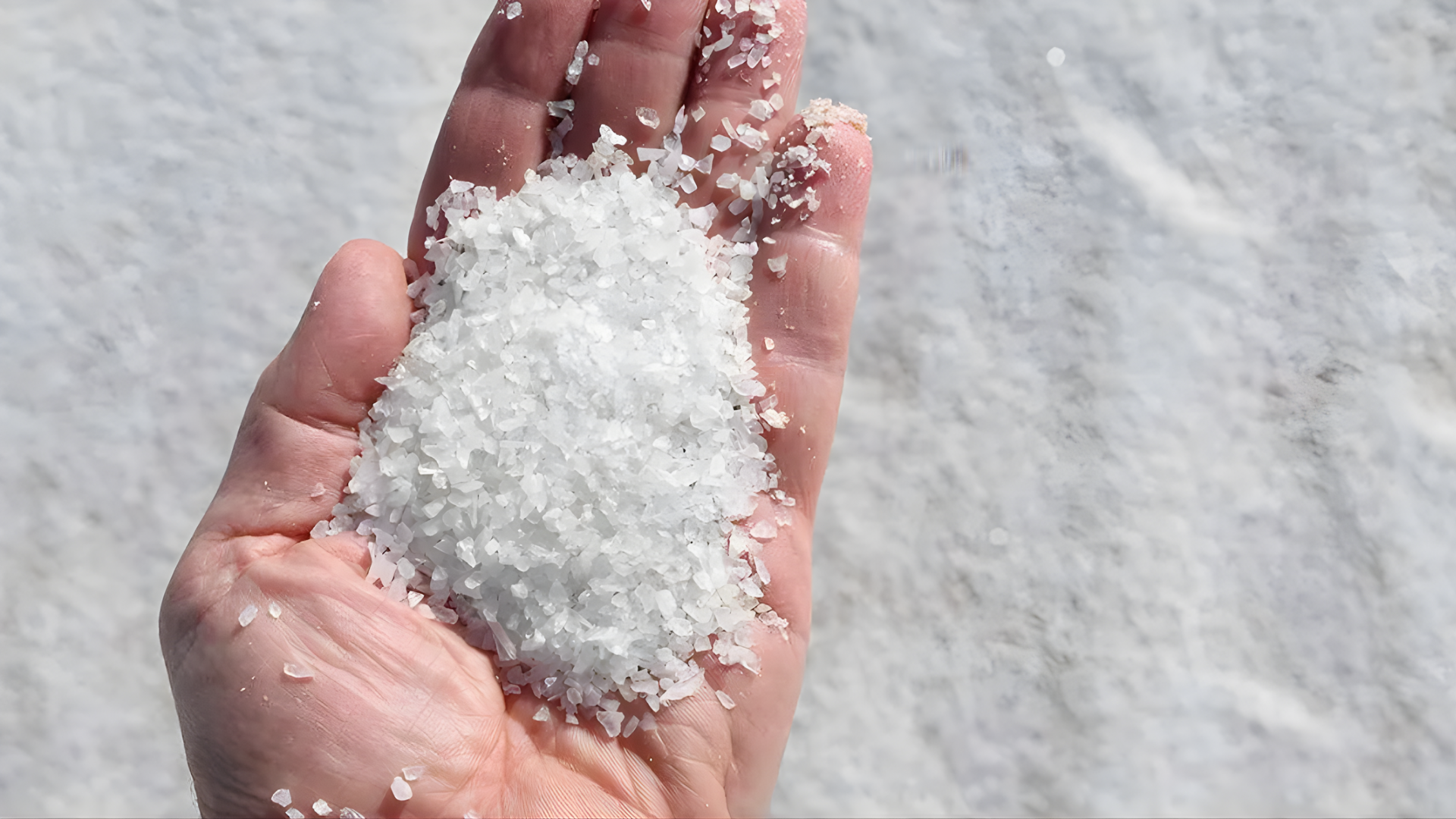
Silica (silicon dioxide) is a natural compound found in sand, rocks, and soil, and it mainly exists as crystalline silica. In engineered quartz, silica is the key component that gives the material its strength and durability. However, during cutting, grinding, or polishing, tiny respirable crystalline silica particles can be released into the air. Without proper safety measures – such as ventilation systems, wet cutting methods, and protective equipment – long-term exposure may lead to serious lung diseases, including silicosis and other respiratory conditions. As awareness grows and regulations become stricter worldwide, the industry is shifting toward safer alternatives, driving the rise of low-silica quartz as a more responsible and sustainable solution.
See more: Silica Bans in Quartz Surfaces: Where Does Vietnam Stand and What Lux Quartz Offers
What is Traditional Quartz?
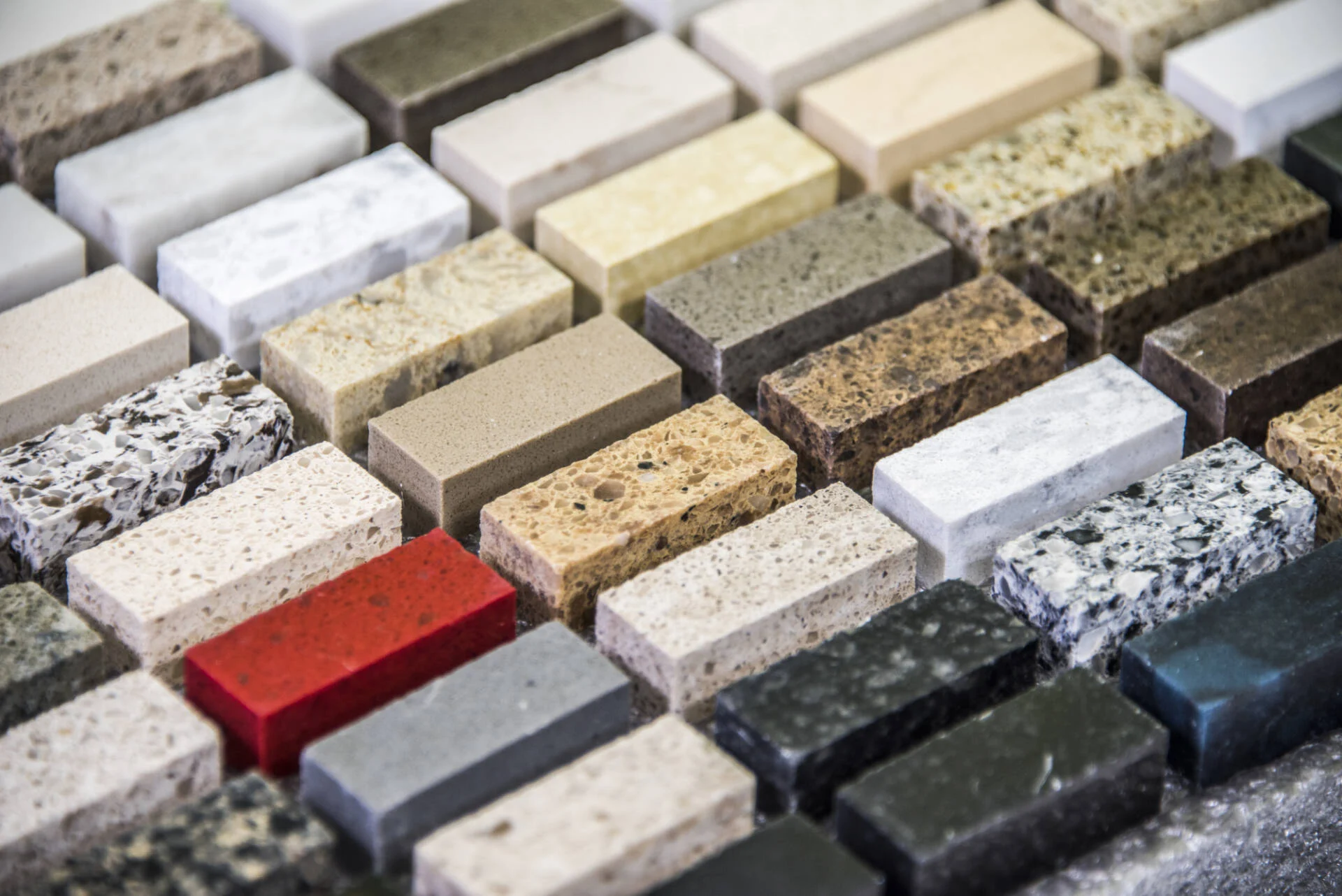
Traditional quartz is an engineered stone surfacing material made from 90–93% crushed natural quartz mixed with resins, polymers, and pigments. This high quartz content also means it contains a very high level of crystalline silica. It is durable, non-porous, and resistant to stains and scratches, making it popular for kitchen countertops, bathroom vanities, and high-traffic areas. However, the high silica content has become a growing concern in fabrication processes, especially in markets with stricter health and safety regulations.
What is Low-Silica Quartz?
Low-silica quartz is an engineered, eco-friendly surface material designed to contain significantly less crystalline silica, typically below 40%, and in some advanced formulations, even under 10%, compared to traditional quartz (90–93%). It is developed to reduce health risks, particularly the risk of silicosis for fabricators and installers, while still maintaining the key advantages of standard quartz, including durability, a non-porous surface, and consistent aesthetics. As a result, low-silica quartz is emerging as a safer and more responsible solution for modern construction and interior applications.
Low-Silica Quartz Countertops vs Traditional Quartz: What’s the Difference?
Understanding the difference between low-silica engineered quartz and traditional quartz surface is essential for making informed decisions. Below is a detailed comparison based on key factors that matter most to homeowners, designers, fabricators, and importers.
Silica Content and Material Composition
The most fundamental difference lies in silica content. Traditional quartz is composed of approximately 90–93% crystalline silica, making it extremely hard and durable. In contrast, low-silica quartz significantly reduces this percentage – typically below 40%, and in some advanced formulations, even under 10%. To compensate, manufacturers use alternative materials such as recycled glass, premium minerals, and advanced resins. This not only lowers silica exposure but also introduces more sustainable and innovative material compositions without sacrificing quality.
Health and Safety Considerations
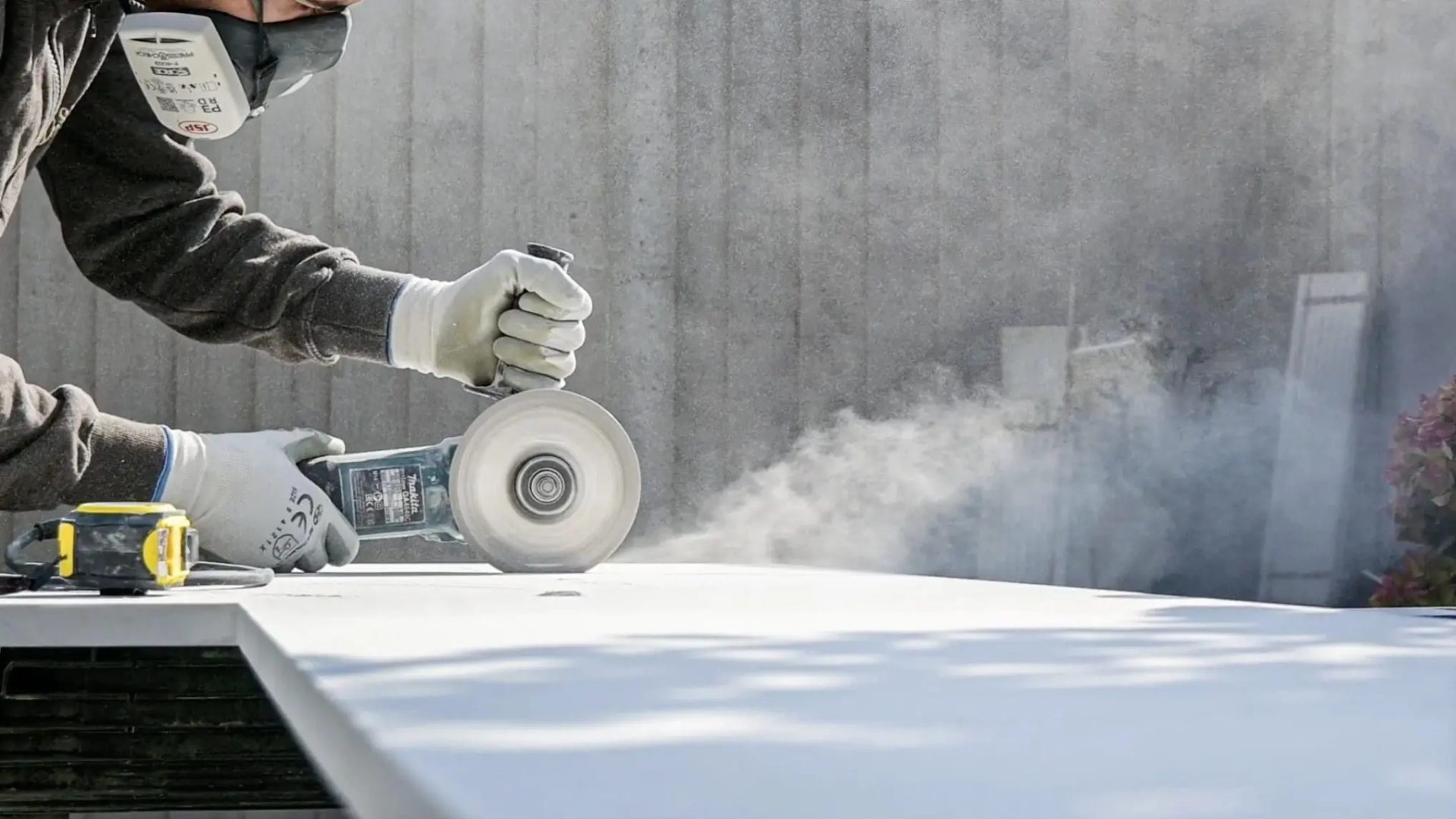
Health and safety have become a major concern in the engineered stone industry. During cutting, grinding, or polishing, traditional quartz can release respirable crystalline silica dust. Prolonged exposure to this dust may lead to serious respiratory diseases such as Silicosis, which has no known cure. Low-silica quartz is specifically developed to address this issue. By reducing silica content, it minimizes hazardous dust emissions, creating a safer working environment for fabricators, installers, and construction workers, especially in regions with strict occupational safety regulations.
Environmental Impact and Sustainability
Sustainability is another key advantage of low-silica quartz. Traditional quartz relies heavily on mined natural quartz, which contributes to resource depletion and environmental disruption. Low-silica alternatives often incorporate recycled and eco-friendly materials, helping to reduce reliance on natural resources. Additionally, lower silica content means less airborne dust during manufacturing, contributing to cleaner production processes and improved air quality.
Performance and Durability
Despite differences in composition, both materials deliver excellent performance. Traditional quartz is well-known for its strength, scratch resistance, stain resistance, and non-porous surface.
Low-silica quartz is engineered to match, and in some cases exceed these properties. Most low-silica options maintain similar hardness (around 7 on the Mohs scale), ensuring strong resistance to daily wear and scratches. Like traditional quartz, they are non-porous, meaning they resist bacteria and do not require sealing. Additionally, thanks to advancements in resin technology, some low-silica formulations offer improved impact resistance, making them less prone to chipping or brittleness – an advantage for high-traffic areas such as kitchens, bathrooms, and commercial spaces.
Design Flexibility and Aesthetics
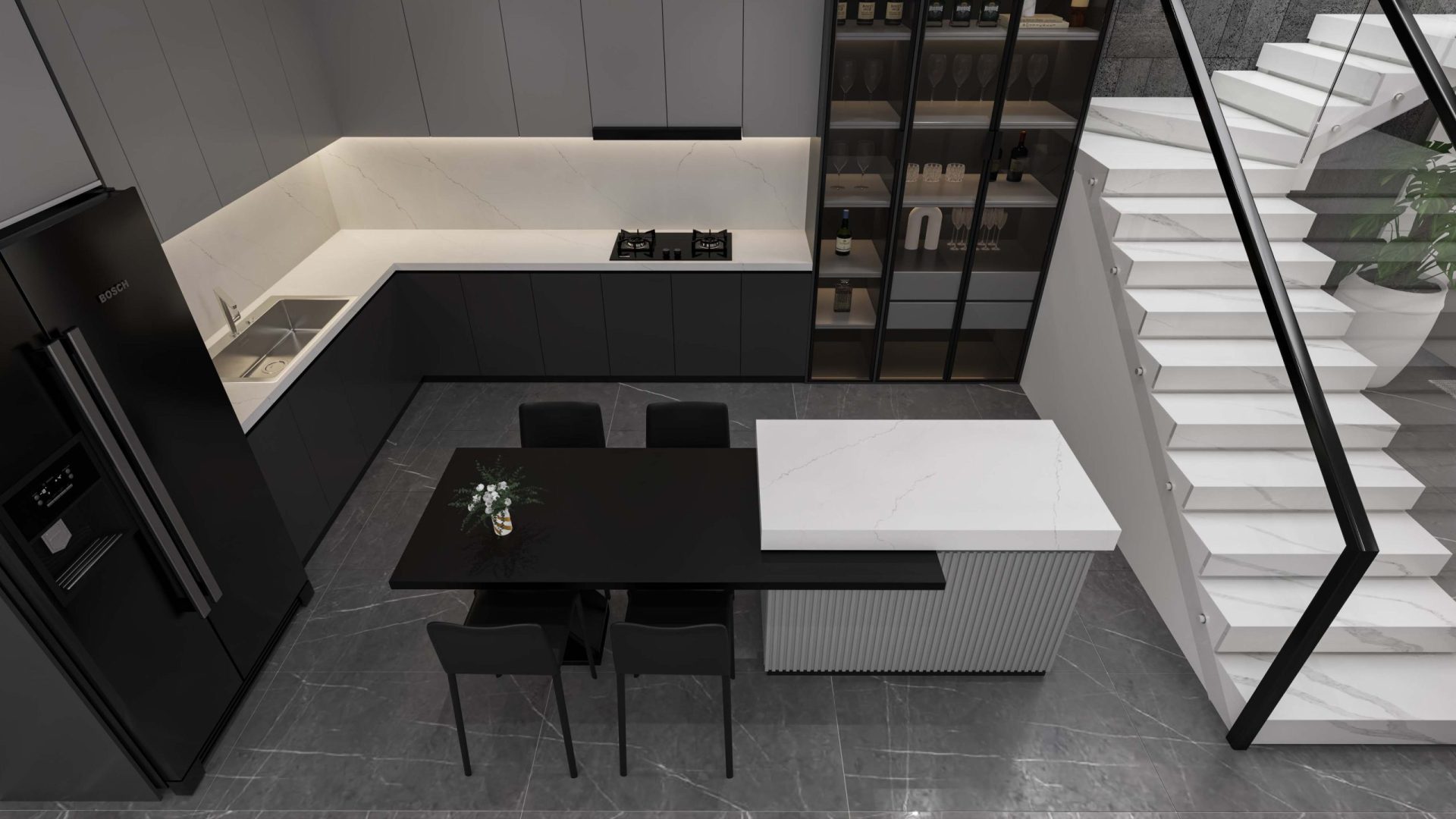
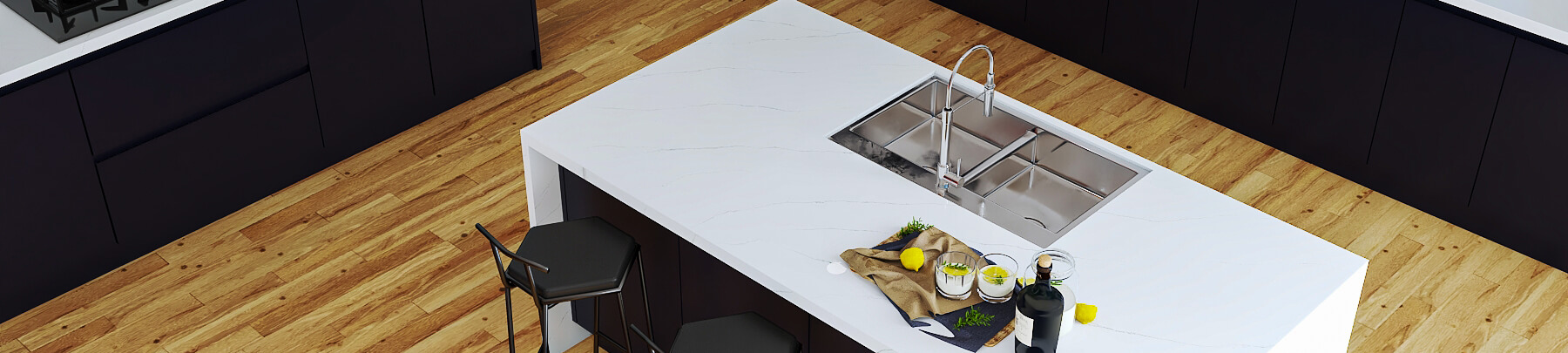
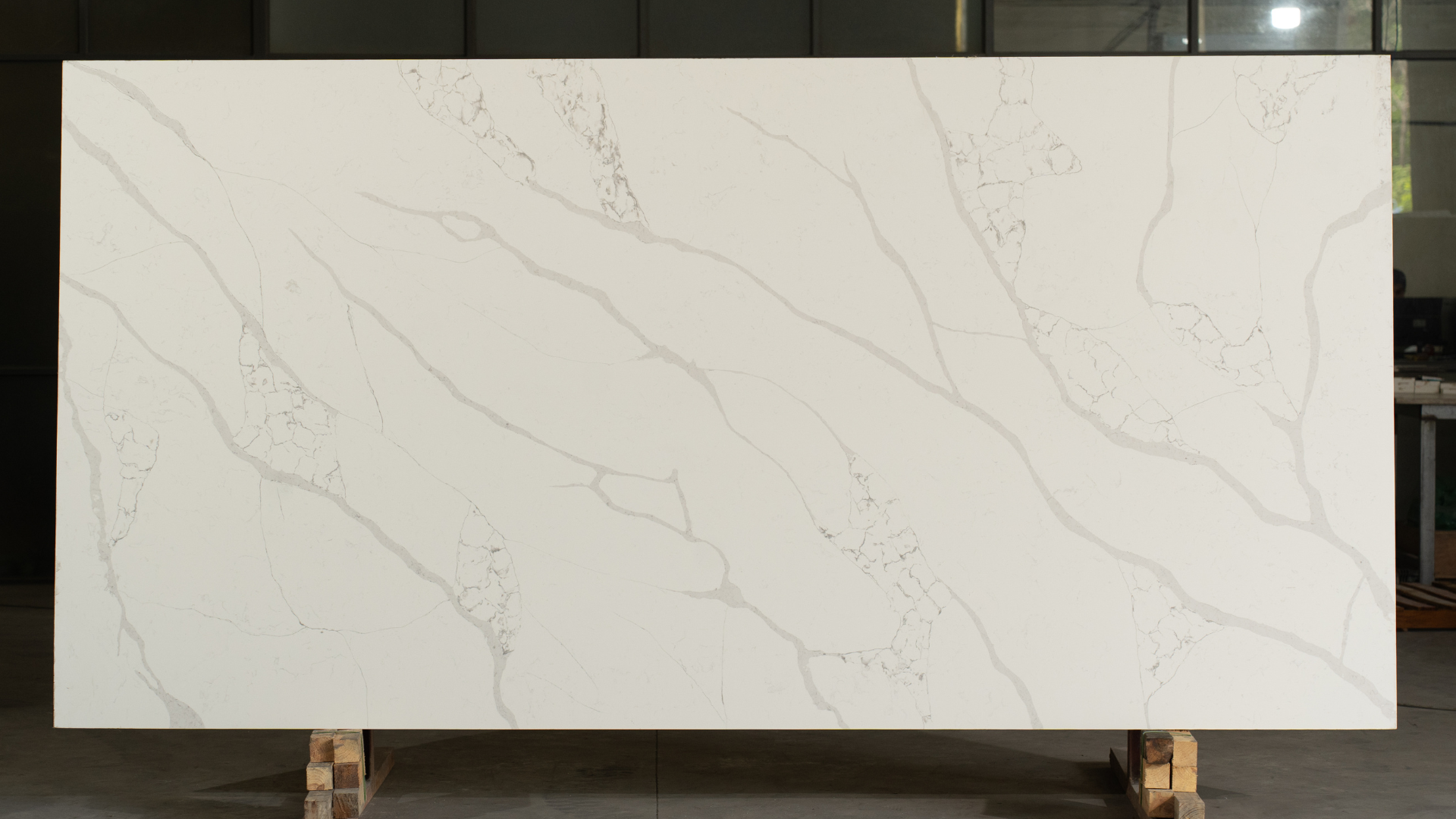
From a design perspective, there is little difference between the two. Both traditional and low-silica quartz are available in a wide range of colors, patterns, and finishes. Modern manufacturing techniques allow low-silica quartz to replicate natural stone looks, including marble-inspired veining and contemporary solid tones. This ensures that designers and homeowners can achieve their desired aesthetic without compromise.
Cost and Long-Term Value
One of the main trade-offs is cost. Low-silica quartz is generally more expensive than traditional quartz due to higher raw material costs, more complex production processes, and ongoing research and development. However, this higher upfront investment can deliver long-term value through improved worker safety, environmental benefits, and alignment with future regulatory trends. As global demand for safer materials increases, low-silica quartz is becoming a forward-thinking choice.
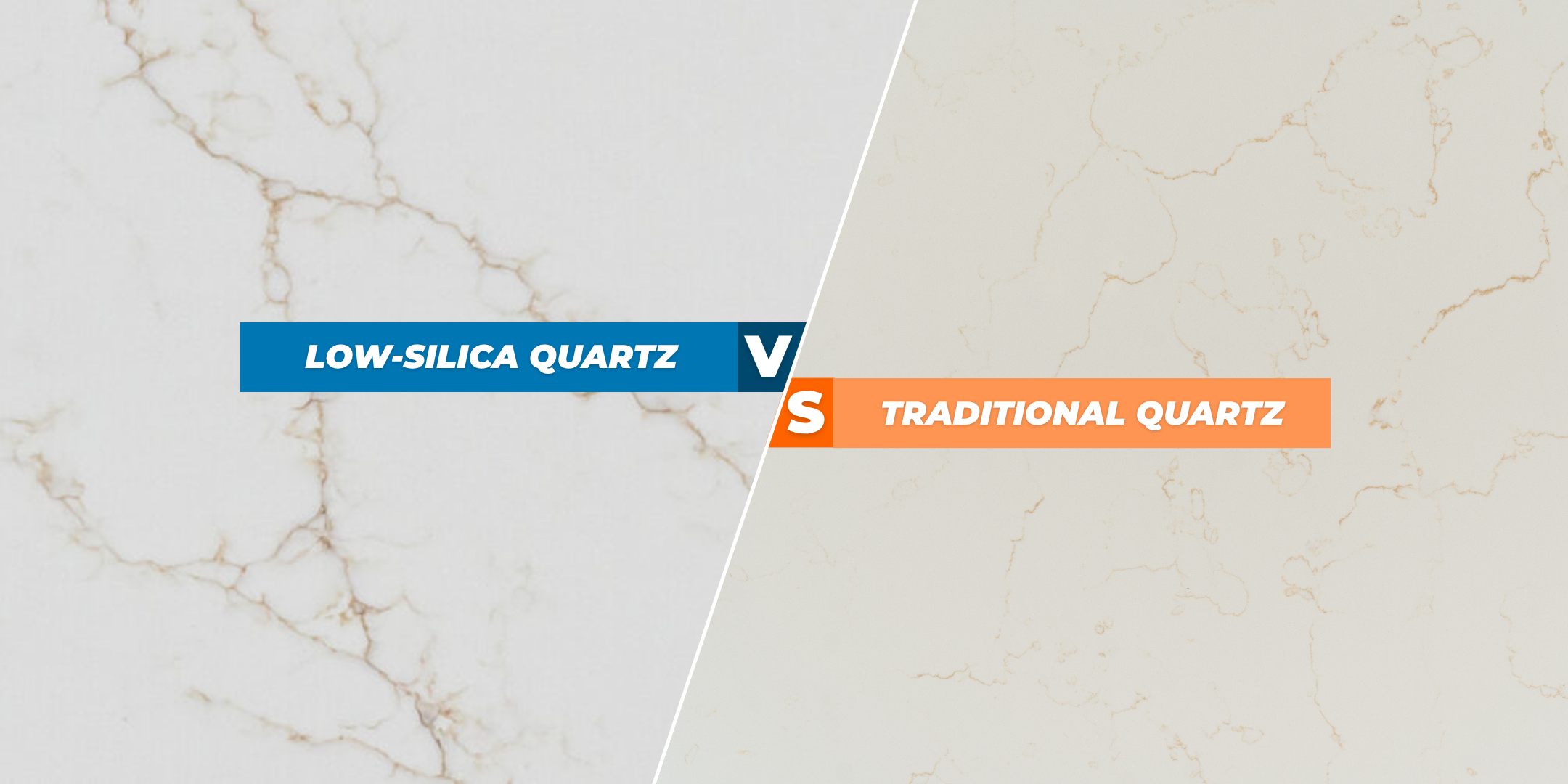
Here’s a quick side-by-side comparison to highlight the key differences between low-silica quartz and traditional quartz at a glance:
| Feature | Low-Silica Quartz | Traditional Quartz |
| Silica Content and Material Composition | <40% silica (sometimes <10%); uses recycled glass, minerals, bio-resins | 90–93% crystalline silica with resin binders |
| Health and Safety Considerations | Safer; significantly reduces silica dust exposure and risk of Silicosis | Higher risk during fabrication due to silica dust |
| Environmental Impact and Sustainability | Eco-friendly; uses recycled materials and cleaner production | Relies on mined quartz; higher environmental impact |
| Performance and Durability | Very durable; strong, scratch resistance, stain resistance, and non-porous surface | Very durable; strong, scratch resistance, stain resistance, and non-porous surface |
| Design Flexibility and Aesthetics | Wide range of colors and patterns; matches natural stone looks; equally versatile with consistent designs | Wide range of colors and patterns; matches natural stone looks; equally versatile with consistent designs |
| Cost and Long-Term Value | Higher upfront cost; better long-term value | More affordable; widely available |
Why Choose Low-Silica Quartz?
Choose Lux Quartz Vietnam – Your Trusted Quartz Slab Manufacturer
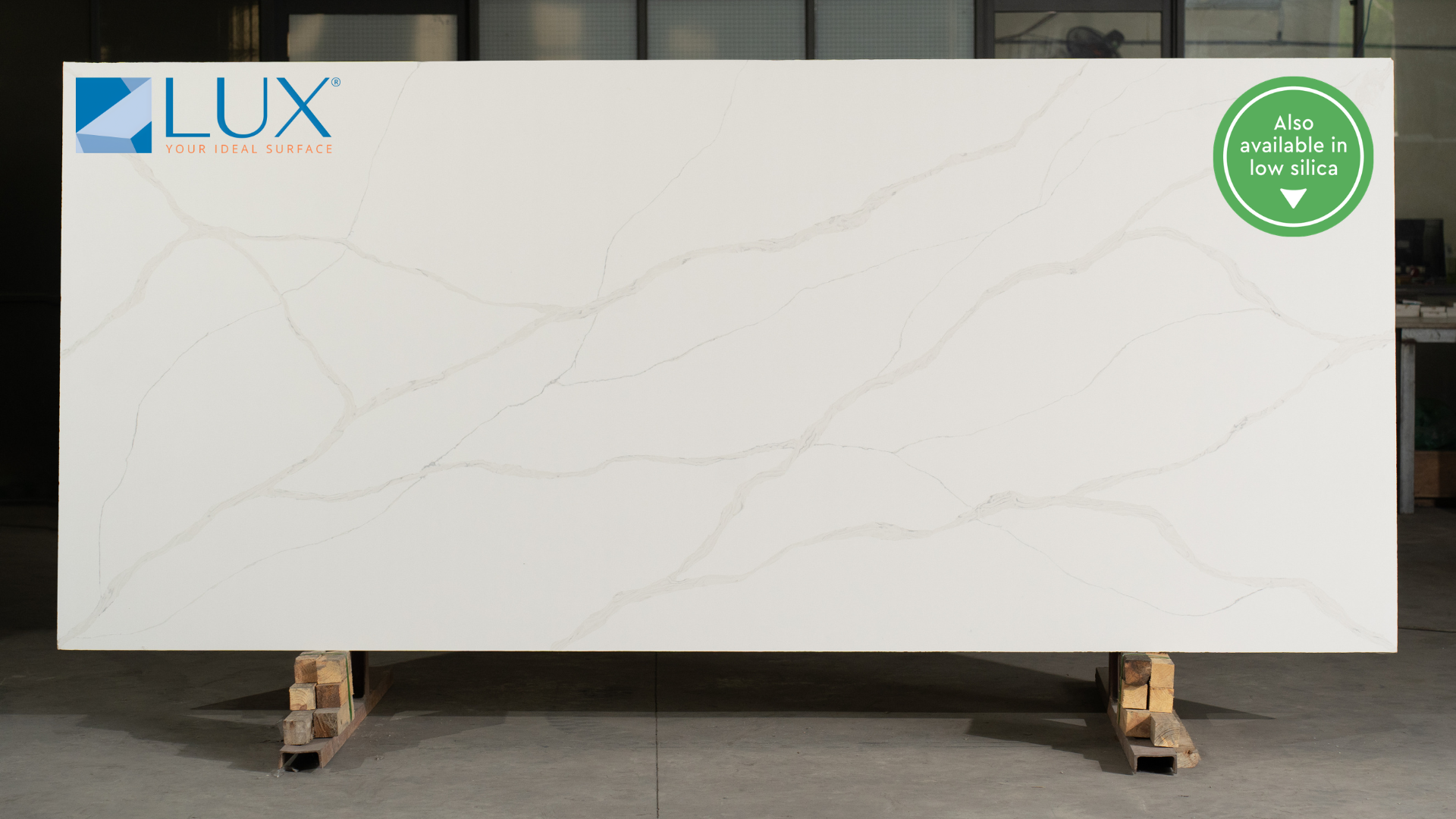
Lux Quartz Vietnam is a reliable partner for businesses navigating the shift toward safer and more compliant materials. With a diverse portfolio that includes both low-silica quartz and traditional quartz slabs, the company offers flexible solutions to meet different market demands across the U.S., Europe, and Australia. Whether your priority is cost efficiency or enhanced safety standards, Lux Quartz delivers consistent quality, modern designs, and dependable supply.
Beyond products, Lux Quartz is committed to responsible manufacturing and transparency. By applying safer production methods like wet cutting and providing clear technical documentation on silica content, the company helps partners make informed, regulation-ready decisions. Choosing Lux Quartz Vietnam means reducing risk, supporting worker safety, and staying competitive in a market where safety and sustainability are becoming essential.
Contact Lux Quartz Vietnam today to explore our full product range, request samples, or receive detailed technical specifications. Our team is ready to support you in sourcing smarter, safer, and future-ready quartz solutions.
See more: Choosing the Right Quartz Supplier: How Lux Quartz Vietnam Stands Out
Frequently Asked Questions About Low-Silica Quartz vs Traditional Quartz
1. Does Lower Silica Mean Lower Quality?
No, it does not imply lower quality. The engineered stone industry has evolved to ensure that reducing silica does not affect the hardness, gloss, or beauty of the slab.
2. Is Low-Silica Quartz as Durable as Traditional Quartz?
Yes. Despite having less silica, low-silica engineered stones are designed to maintain high resistance to stains, scratches, and impacts, ensuring long-term durability suitable for high-traffic kitchens.
3. Does Low-Silica Quartz Look Different from Traditional Quartz?
Generally, no. Advanced manufacturing allows low-silica options to replicate the aesthetic appeal of traditional quartz, including popular marble-like veining and various colors.
4. Is Low-Silica Quartz More Expensive?
Generally, yes. This is due to the higher cost of alternative raw materials (recycled glass/minerals), the complex R&D required to maintain slab strength with less silica, and increased demand for safer, sustainable materials.
5. Are There Differences in Maintenance?
Both materials are non-porous and require low maintenance, needing only soap and water to clean. Both should be protected from harsh chemicals and high heat.
See more: