Choosing the right bathroom countertop involves more than finding a surface that looks good. It also needs to withstand daily moisture, resist stains from personal care products, and remain easy to maintain over time. Among the available options, engineered quartz has become a popular choice for homeowners seeking a balance of durability, style, and convenience.
But are quartz bathroom countertops worth the investment? The answer depends on your budget, design preferences, and expectations for long-term use. Understanding their benefits, limitations, and key selection criteria can help you decide whether quartz is the right fit for your bathroom.
Why Quartz Bathroom Countertops Are Worth the Investment?
Quartz bathroom countertops offer a combination of practical performance and design flexibility that makes them well suited to everyday bathroom use. Here are the main benefits to consider.
1. Moisture Resistance and Easy Maintenance
Bathrooms are exposed to water splashes, humidity, soap residue, and personal care products every day. Engineered quartz has a low-porosity, non-porous surface that resists moisture absorption, making it a practical option for bathroom vanities.
Unlike natural stones that may require periodic sealing, most engineered quartz countertops do not need sealing. Routine cleaning is also straightforward: wipe the surface with a soft cloth and mild soap or a cleaner approved by the manufacturer.
However, quartz is not completely stain-proof. Hair dye, nail polish remover, and certain harsh chemicals can discolor or damage some surfaces if left in contact for too long. Cleaning spills promptly and following the product’s care instructions will help preserve its appearance.
2. Durability for Everyday Bathroom Use
A bathroom vanity countertop needs to handle frequent use, from morning skincare routines to daily grooming. Engineered quartz is a hard surface with good resistance to everyday scratches and stains, helping it maintain its appearance with proper care.
That said, durability does not mean the material is indestructible. Heavy impacts can chip edges or corners, while direct exposure to high temperatures can damage the resin in the surface. Using protective mats for hot styling tools and avoiding harsh cleaning products can help prevent unnecessary damage. For households looking for a countertop that combines everyday durability with relatively simple upkeep, quartz can be a worthwhile long-term choice.
3. Versatile Colors and Designs
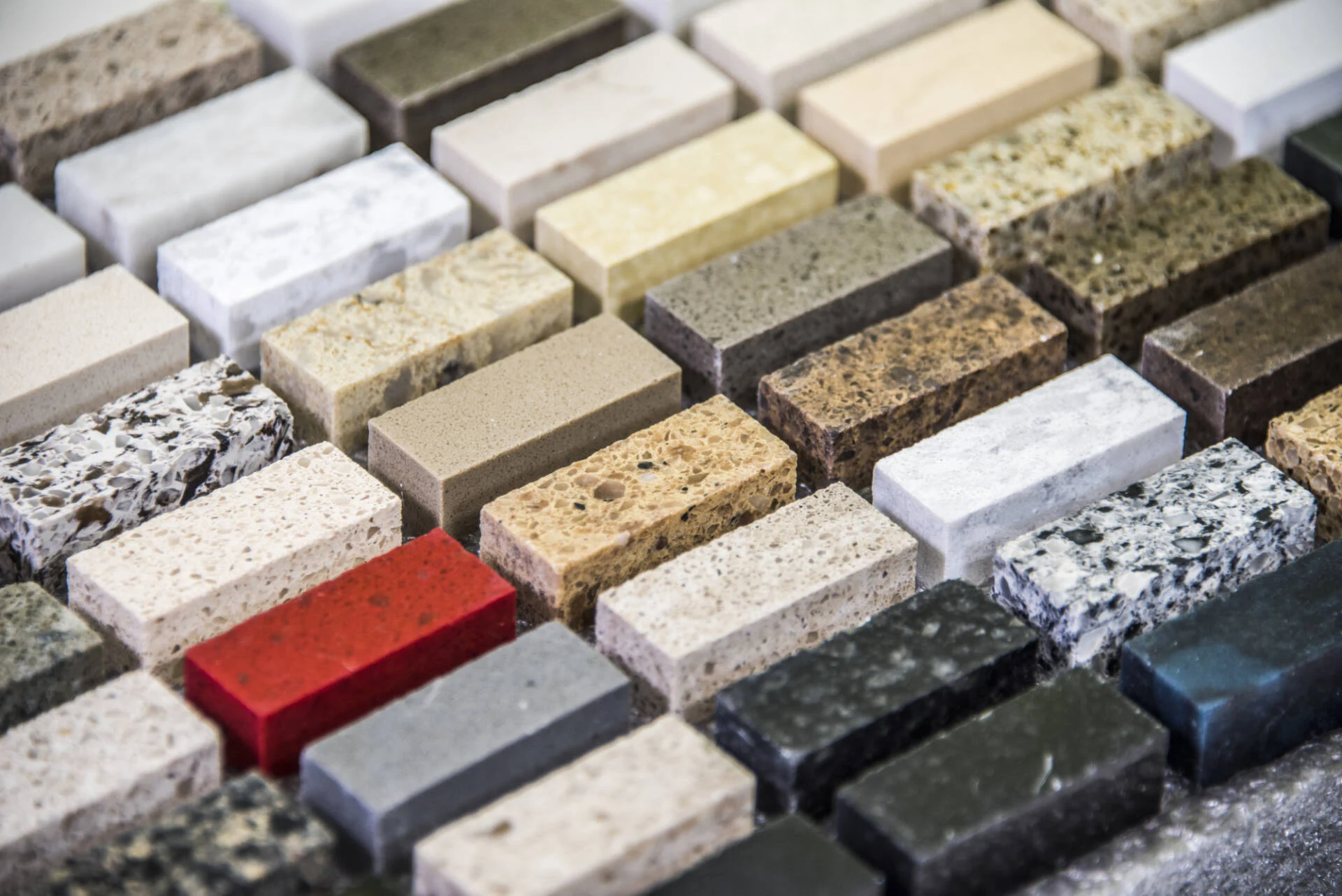
One of the biggest advantages of quartz countertop is its broad range of colors, patterns, and finishes. Whether you prefer a clean, contemporary bathroom or a more classic interior, there are designs to complement different styles. Consider these popular design directions:
- White quartz: Creates a bright, clean appearance and works well in small bathrooms or minimalist interiors.
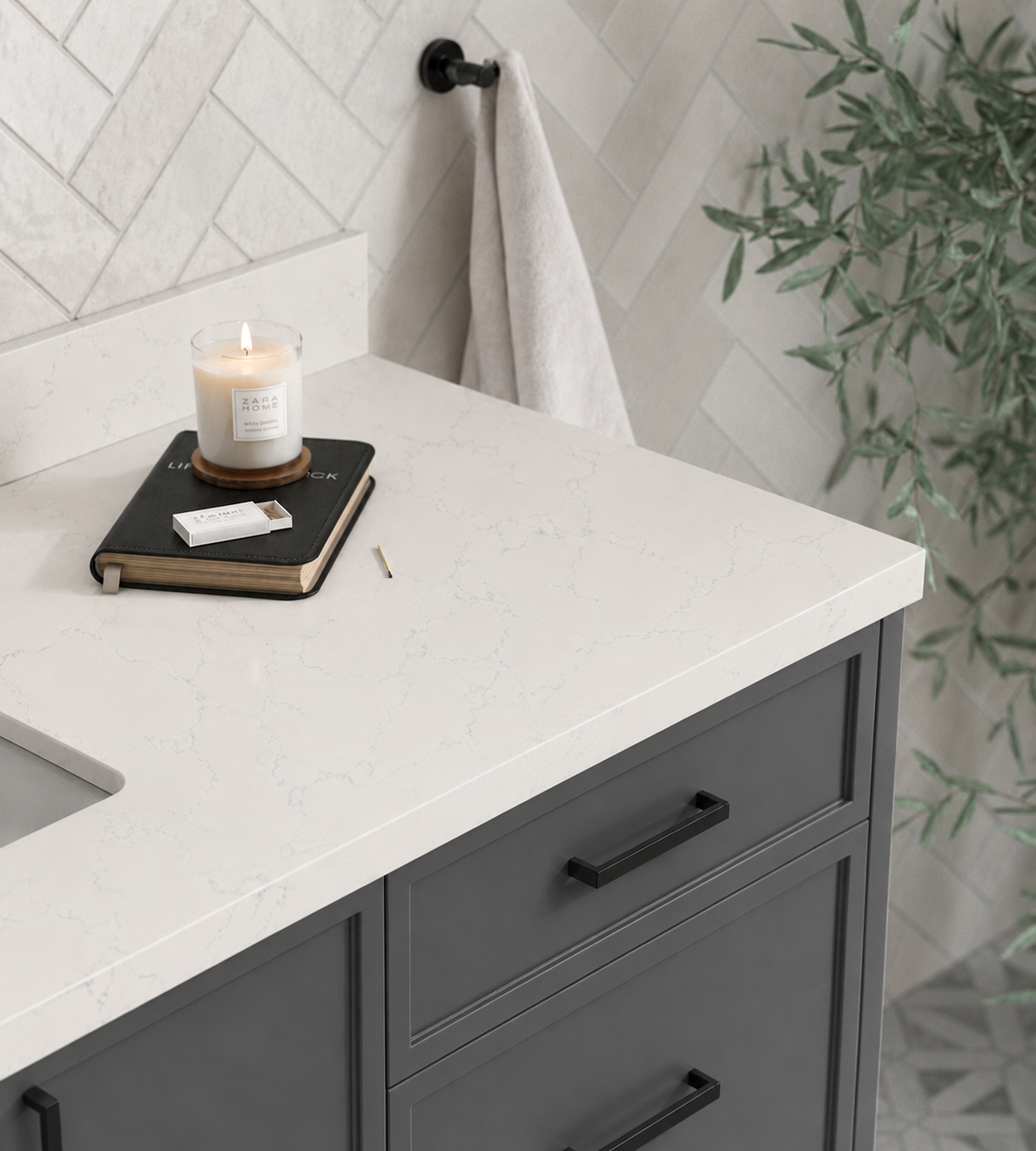
- Marble-look quartz: Features decorative veining that brings a refined, natural-stone-inspired look to a vanity without requiring the same maintenance routine as marble.
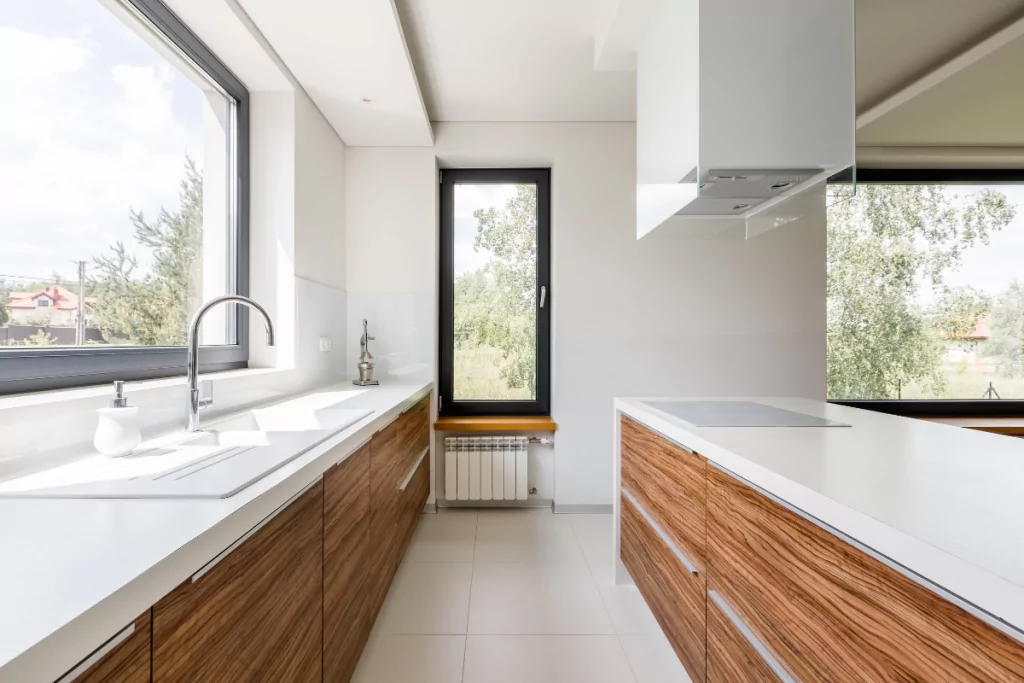
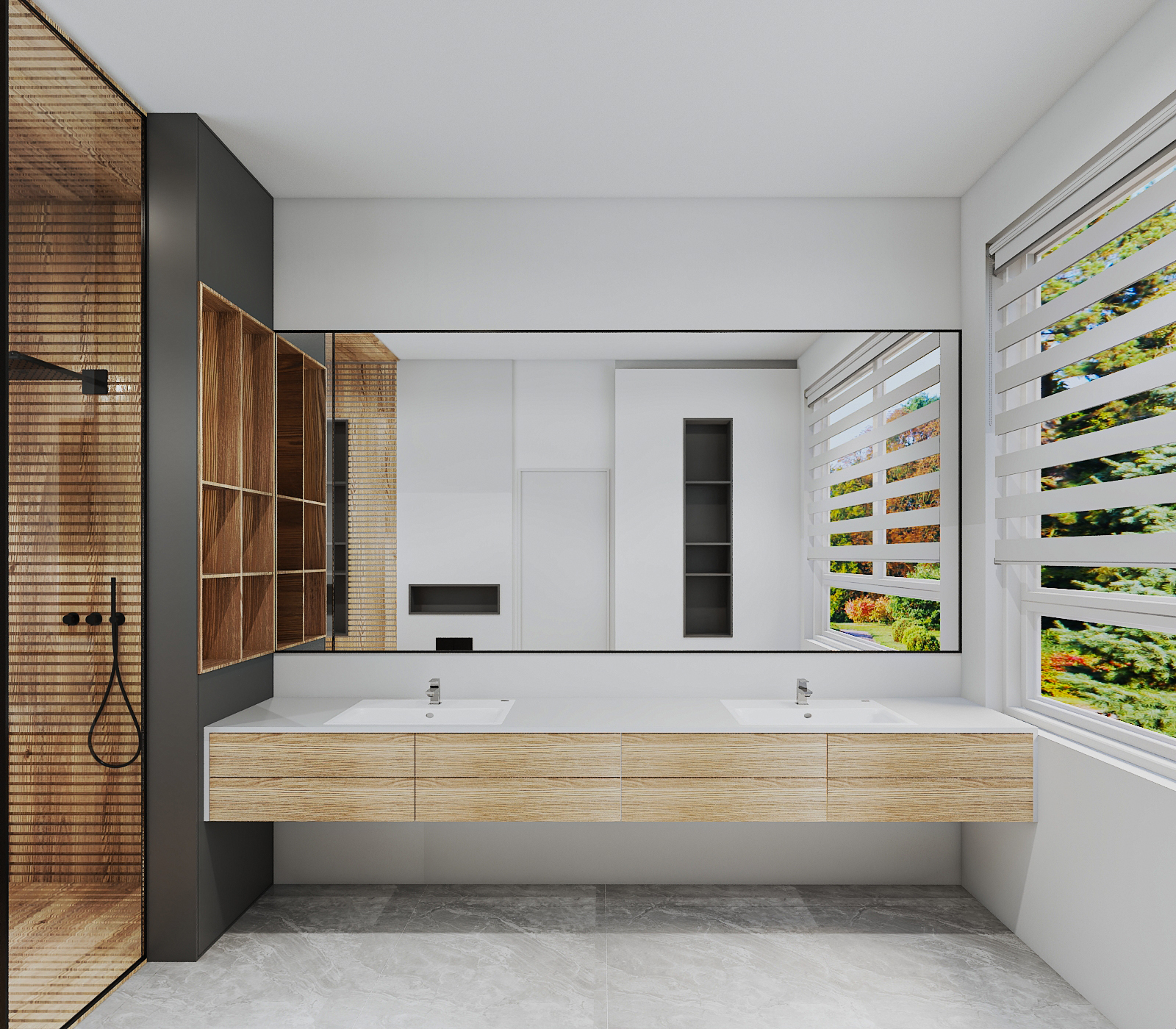
- Gray and neutral quartz: Offers a balanced, understated look that pairs well with wood cabinetry, white fixtures, and contemporary finishes.
- Quartz with subtle sparkle: Adds visual interest while maintaining a polished, sophisticated appearance.
For a coordinated interior, consider how the countertop will look alongside your vanity cabinets, sink, wall tiles, mirrors, and hardware. Requesting a physical sample can help you assess the actual color and pattern under your bathroom lighting.
4. Long-Term Value Beyond the Initial Price
Quartz may cost more upfront than some basic countertop materials, but the initial purchase price is only one part of the investment. Low routine maintenance, no periodic sealing, and resistance to common bathroom stains can make quartz attractive to homeowners planning to use their countertops for years.
The total cost depends on several factors, including slab selection, countertop dimensions, thickness, edge profiles, sink cutouts, fabrication, and installation. More intricate designs or custom layouts may increase the final price.
To evaluate value accurately, compare complete project quotes rather than material prices alone. A well-selected quartz countertop, installed correctly and maintained according to the manufacturer’s instructions, can provide a practical balance of appearance and everyday performance.
Are There Any Downsides to Quartz Bathroom Countertops?
Although quartz bathroom countertop has several advantages, it is not the ideal choice for every homeowner. Understanding its limitations before purchasing can help you avoid unexpected costs and maintenance issues.
1. Higher Initial Cost Than Some Alternatives
Quartz can require a larger upfront investment than laminate and certain other countertop materials. Premium patterns, thicker slabs, custom edges, and complex sink cutouts can further increase fabrication and installation costs.
How to manage it: Set a budget before selecting a design. Compare the total installed cost of different quartz options and prioritize features that matter most to your bathroom.
2. Sensitivity to High Heat and Harsh Chemicals
Engineered quartz contains resin, which can be damaged by direct heat or certain aggressive chemicals. A hot hair straightener left directly on the surface may cause discoloration or other permanent damage. Strong solvents, highly alkaline cleaners, and some nail care products can also harm the finish.
How to manage it: Place hot styling tools on a heat-resistant mat or dedicated holder. Use mild, non-abrasive cleaning products and rinse chemical spills promptly, following the specific manufacturer’s care recommendations.
3. Seams and Patterns May Affect the Final Appearance
Quartz slabs offer relatively consistent patterns, but seams may remain visible when a countertop requires multiple pieces. Veining can also vary between slabs, so the finished surface may not look exactly like a small sample or product photograph.
How to manage it: Review a larger sample or the actual slab before fabrication. Discuss seam placement, pattern alignment, and edge details with your fabricator to achieve a more cohesive result.
4. Not Every Quartz Product Is Suitable for Every Environment
Some engineered quartz products may experience discoloration after prolonged exposure to direct sunlight. Product specifications and performance can also vary by manufacturer, so it is important not to assume that every quartz surface has identical properties.
How to manage it: Check the technical documentation and warranty for your chosen product, particularly if your bathroom countertop receives strong direct sunlight for extended periods.
Overall, quartz remains a strong option for many bathroom vanities, but its value depends on choosing a suitable product and caring for it properly. If your priority is low maintenance and a wide range of design options, its benefits may outweigh these limitations.
How to Choose Quartz Bathroom Countertops for Your Home
The best quartz countertop is one that suits your bathroom’s layout, complements your interior, and fits your budget. Before making a final decision, consider these three factors.
1. Match the Color and Pattern to Your Bathroom Design
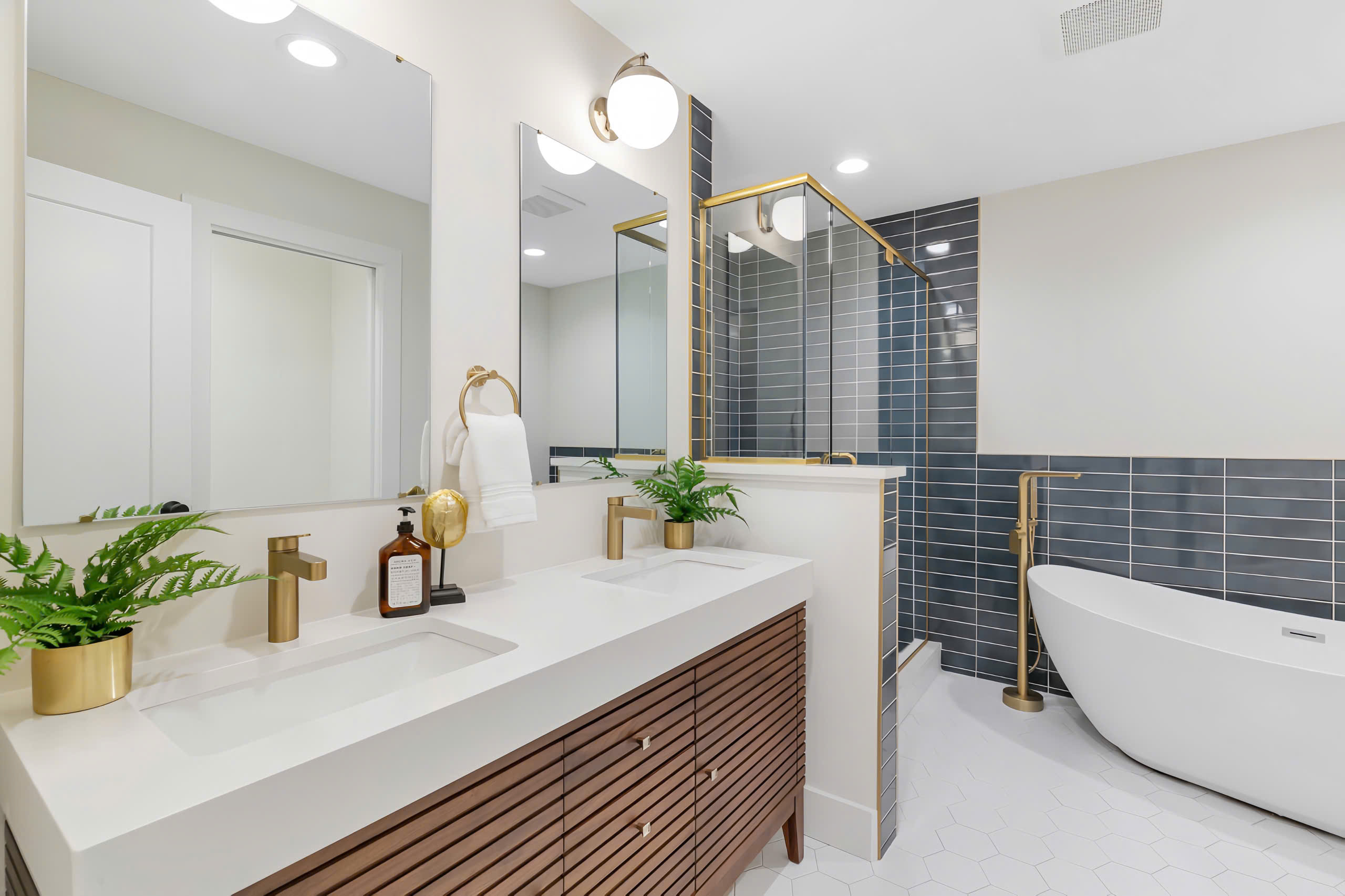
Start by considering the size of your bathroom, the amount of natural light, and the colors of your existing fixtures and cabinetry. White and light-colored quartz can help create an open, airy atmosphere, particularly in compact bathrooms. Gray and beige tones work well in understated interiors, while marble-look patterns can become a focal point in a larger vanity area. For a balanced design, avoid choosing the countertop in isolation. Compare samples against your cabinet finish, wall tiles, flooring, and sink to see how the materials work together.
2. Check the Slab Specifications and Maintenance Requirements
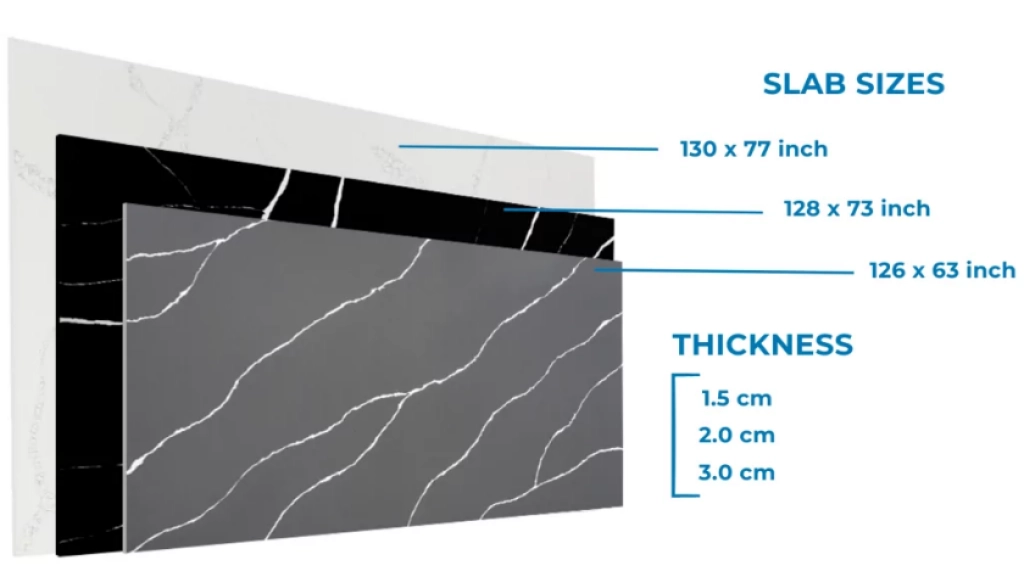
Not all quartz surfaces are identical. Before purchasing, review the product specifications, available thicknesses, surface finish, recommended applications, and care instructions. It is also worth checking the warranty coverage and any exclusions related to heat, chemical exposure, or installation. These details help you understand what the product is designed for and what responsibilities come with owning it. If you are comparing several designs, ask your supplier for physical samples or detailed product information so you can make an informed choice beyond appearance alone.
3. Consider Fabrication, Installation, and Total Cost
A quality slab is only one part of a successful bathroom countertop project. Accurate measurements, appropriate support, properly fabricated sink openings, and professional installation all contribute to the finished result. Before confirming your order, ask for a detailed quote covering the slab, fabrication, edge treatment, sink cutouts, installation, and any additional work required. Confirm the expected maintenance requirements and warranty terms as well.
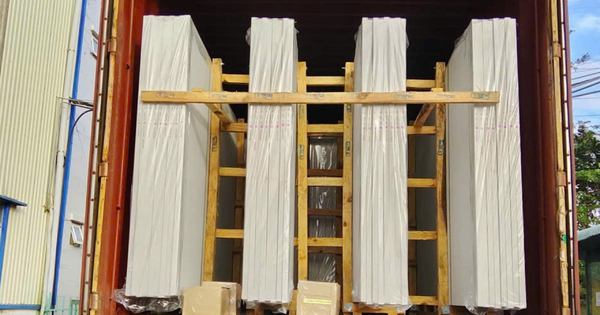
For distributors, fabricators, and project buyers, choosing the right quartz for bathroom countertops means balancing design appeal, material performance, fabrication requirements, and overall project costs. Selecting a suitable quartz slab can help meet project specifications while delivering the consistency and quality expected by clients.
Looking for a reliable quartz slab supplier for your next bathroom countertops project? Partner with Lux Quartz Vietnam to explore quartz designs and discuss your project requirements, from slab selection to supply specifications. Contact our team to find a solution that aligns with your business needs and project goals.
See more: