Choosing the right countertop material is one of the most important decisions in any kitchen or bathroom design. Among the many options available today, the debate between quartz vs marble countertops continues to be one of the most popular, and also one of the most confusing.
Both quartz and marble are premium materials. Both can elevate the look of a space. But when it comes to performance, durability, maintenance, and long-term value, they are fundamentally different. This guide will break down everything you need to know about quartz vs marble so you can confidently decide which material is the better choice for your home.
Quartz vs Marble: Quick Comparison
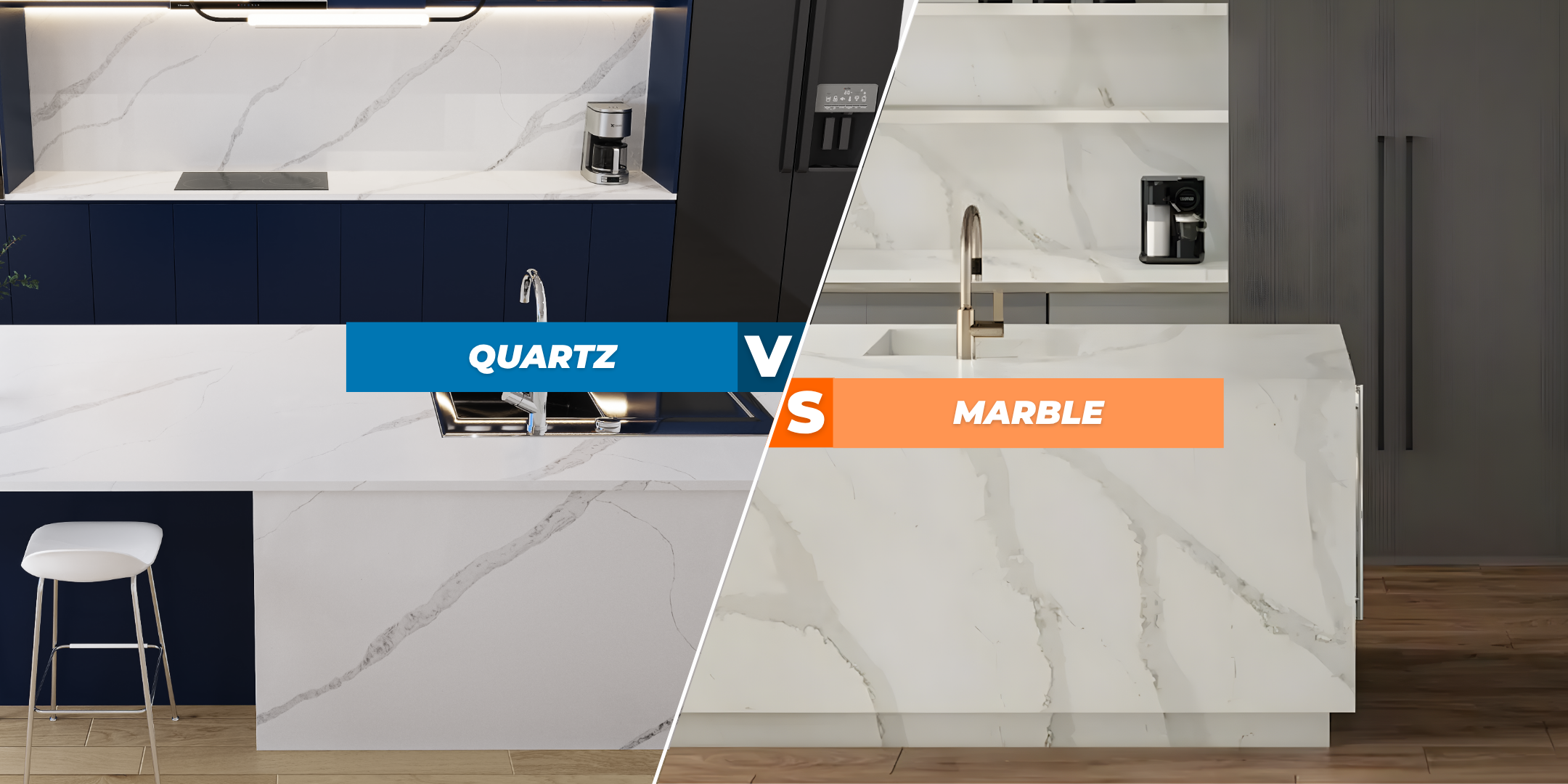
To get a quick overview of how these two materials compare, the table below highlights the key differences between quartz vs marble countertops across the most important factors, including durability, maintenance, appearance, and cost. This side-by-side comparison provides a clear snapshot to help you quickly identify which option aligns better with your needs before exploring each aspect in more detail.
| Feature | Quartz | Marble |
| Origin and Composition | Engineered stone | Natural stone |
| Appearance | Consistent, can mimic marble | Unique, natural veining |
| Durability | Hard (Mohs ~7), scratch-resistant | Softer (Mohs ~3-4), prone to scratches |
| Water Resistance | Low, non-porous, stain-resistant | High, porous, requires sealing |
| Heat Resistance | Moderate | High |
| Safety | Hygienic, resists bacteria | Needs sealing to prevent bacteria |
| Maintenance | Low maintenance | Requires regular sealing and care |
| Installation Difficulty | Hard, require professional installation | Harder than quartz, require professional installation, |
| Cost | Mid-to-high price range, more predictable and consistent pricing | Varies widely, can be expensive |
Quartz vs Marble: Key Differences
While the quick comparison table above provides a snapshot of how quartz and marble differ. To make a well-informed decision, it’s important to look beyond the basic features and understand how each material performs in real-life situations. From composition and appearance to durability, maintenance, and cost, each factor plays a crucial role in determining which countertop is better suited to your needs. The following sections break down the key differences between quartz vs marble countertops in greater detail, helping you evaluate not just how they look, but how they function over time.
Origin and Composition
Quartz is an engineered material, typically made from 90–93% natural quartz crystals mixed with resins and pigments. Many modern quartz surfaces are specifically designed to mimic the look of marble, offering similar veining patterns and soft tones. However, because it is manufactured under controlled conditions, quartz provides greater consistency, durability, and performance across slabs.
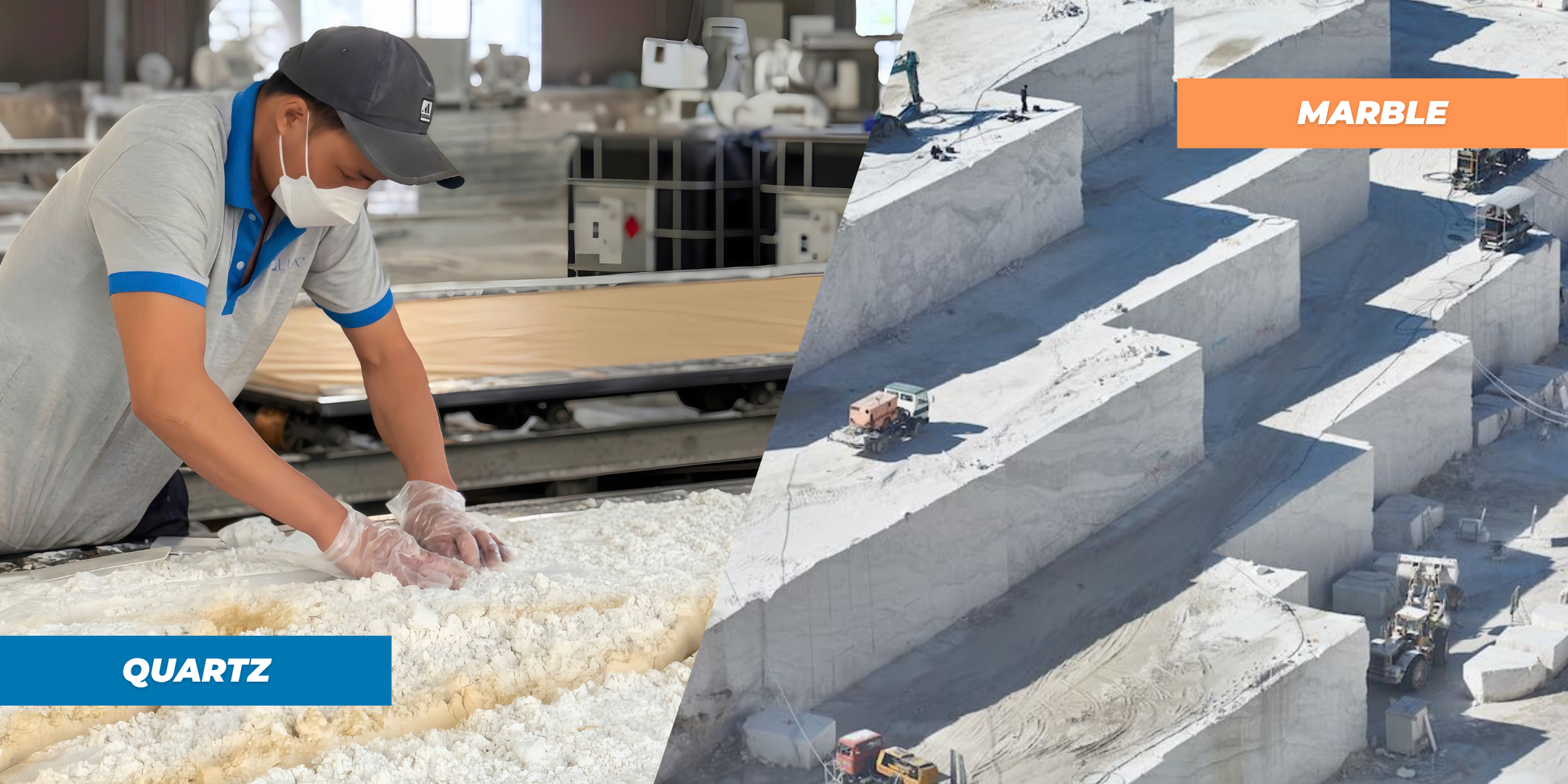
Marble, in contrast, is a natural stone formed from limestone under intense heat and pressure over millions of years. This metamorphic process creates its signature soft veining and organic patterns, with each slab being completely unique. Popular types such as Carrara and Calacatta are especially valued for their distinctive colors and elegant appearance.
Appearance
One of the most noticeable differences between quartz vs marble countertops lies in their appearance. Quartz offers a wide range of design possibilities because it is manufactured under controlled conditions. It can be produced in various colors, patterns, and finishes, including styles that closely mimic the look of natural marble. Modern quartz surfaces are capable of replicating delicate veining and subtle tonal variations, making them an attractive alternative for homeowners who want the elegance of marble without its drawbacks. Additionally, quartz provides a uniform look across large surfaces, which is especially useful in contemporary kitchens where consistency is important.
See more: Learn How Quartz that Looks like Marble is Made
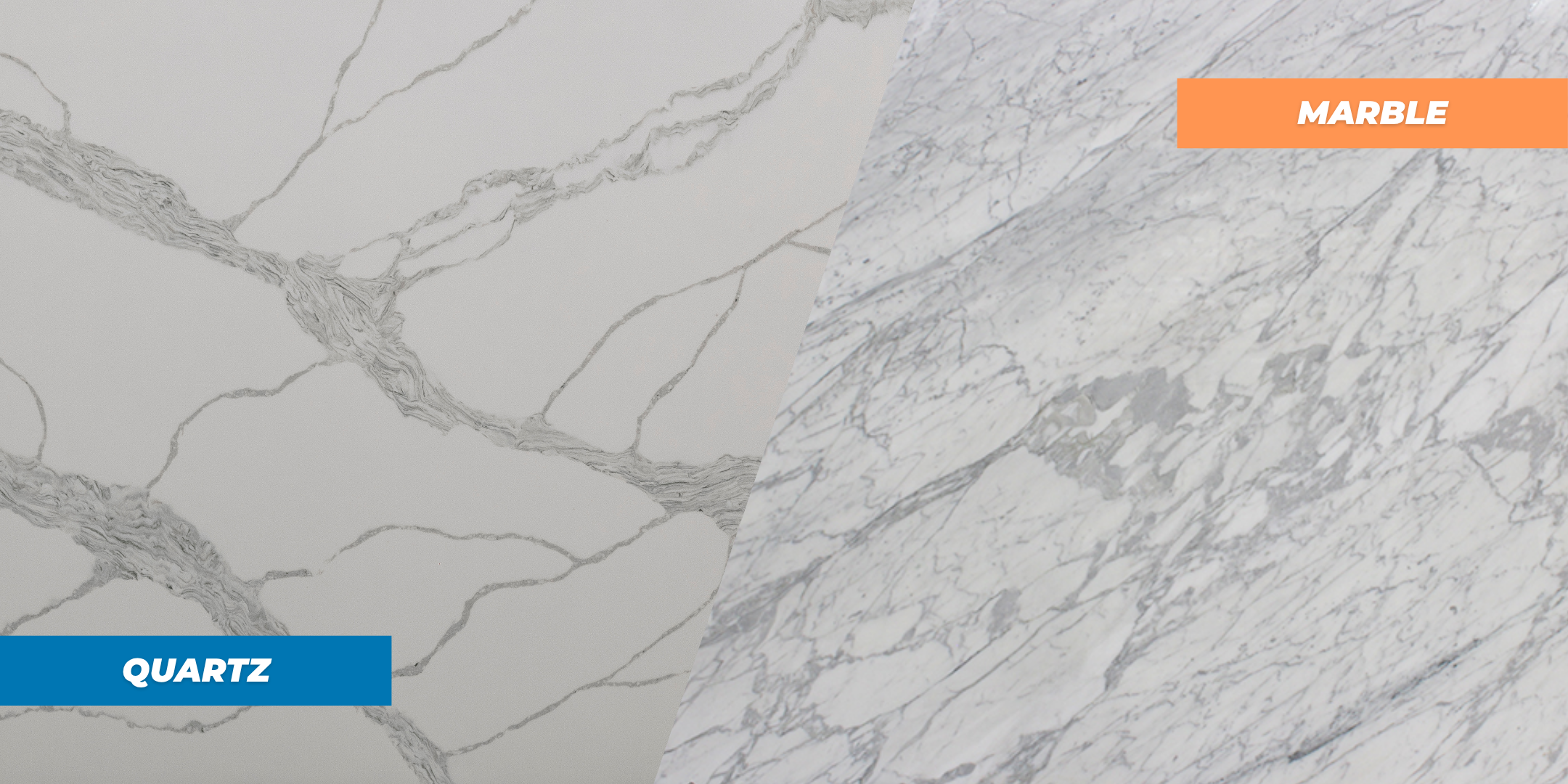
Marble, on the other hand, is valued for its natural beauty and uniqueness. Each slab of marble is entirely different, featuring distinct veining patterns and color variations that cannot be duplicated. This individuality is one of the main reasons marble has been used in architecture and art for centuries. However, the same uniqueness can also present challenges, particularly when trying to match multiple slabs within the same space. While marble offers a timeless and luxurious aesthetic, it lacks the predictability that quartz provides.
Durability
Durability is another critical factor when comparing quartz vs marble countertops, especially in high-use areas like kitchens. Quartz is known for its strength and resilience, ranking around 7 on the Mohs hardness scale. This makes it highly resistant to scratches, chips, and everyday wear. It performs exceptionally well in busy households where countertops are used frequently for cooking, food preparation, and other daily activities.
Marble, in contrast, is much softer, with a hardness of around 3 to 4 on the same scale. This means it is more susceptible to scratching and chipping, and it can show signs of wear over time. In addition, marble is sensitive to acidic substances such as lemon juice, vinegar, and wine, which can cause etching and leave dull marks on the surface.
Water Resistance
Water resistance is another key difference when comparing quartz vs marble countertops. Quartz is a non-porous material, meaning it does not absorb liquids, which makes it highly resistant to stains from common substances such as coffee, wine, oil, or sauces. This also helps prevent bacteria and moisture from penetrating the surface, contributing to better hygiene and easier cleaning.
Marble, in contrast, is naturally porous and can absorb liquids if it is not properly sealed. As a result, spills need to be cleaned quickly to avoid permanent staining, and regular sealing is required to maintain its resistance to moisture and protect its overall appearance.
Heat Resistance
Heat resistance is another important factor when comparing quartz vs marble countertops, especially in kitchen environments. Quartz offers moderate heat resistance and is designed to handle everyday use; however, it is not completely heatproof. Because quartz contains polymer resins, exposure to excessive heat, typically above 300°F (150°C), can lead to discoloration, scorching, or even permanent surface damage. For this reason, it is recommended to use trivets or heat pads when placing hot pots, pans, or appliances on quartz surfaces.
Marble, on the other hand, has excellent natural heat resistance due to its formation under extreme heat and pressure over millions of years. It can withstand high temperatures without burning or melting, making it more tolerant of hot cookware. However, marble is still susceptible to thermal shock, meaning sudden and drastic temperature changes can cause cracking, so careful use is still necessary despite its natural durability.
Safety
From a hygiene perspective, quartz is generally considered the safer option due to its non-porous surface, which resists the absorption of liquids and prevents the growth of bacteria, mold, and mildew. This makes quartz particularly well-suited for food preparation areas where cleanliness is essential.
Marble, in contrast, has a naturally porous structure and can retain moisture and bacteria if it is not properly sealed and maintained. While marble can be safe for use, it requires regular sealing and careful upkeep to ensure a hygienic surface over time.
Maintenance
Maintenance is one of the most significant differences between quartz vs marble countertops and often plays a key role in the decision-making process. Quartz is extremely low maintenance, as it does not require sealing, polishing, or any special treatments. Its non-porous surface makes cleaning simple, with just mild soap and water being enough to keep it looking like new.
See more: Effective Quartz Countertops Care and Maintenance Tips
Marble, on the other hand, requires ongoing care to maintain its appearance and performance. It needs to be sealed regularly, typically every few months, and cleaned using specialized, non-acidic products to prevent damage. Because marble is sensitive to acidic substances, exposure to common ingredients can cause dull spots or etching over time, making it more demanding in both upkeep and long-term care.
Installation Difficulty
Installation is another important factor to consider when comparing quartz vs marble countertops. Quartz is generally easier to fabricate and install thanks to its engineered composition and consistent structure, which reduces the risk of errors or damage during the process. This uniformity allows for more precise cutting and fitting, resulting in a smoother and more efficient installation overall.
Marble, while equally requiring professional installation due to its weight, is more fragile by nature. It is more prone to cracking or chipping during transportation and handling, which makes the installation process more delicate and demanding.
Cost
Cost is an important factor when comparing quartz vs marble countertops, as both materials differ not only in upfront pricing but also in long-term value. Quartz countertops typically fall within the mid-to-high price range, with more predictable and consistent pricing depending on the brand, design, and thickness. Because quartz is engineered, it offers a wide variety of options at different price points, making it easier for homeowners to find a solution that fits their budget. In addition, its non-porous nature and low maintenance requirements mean that quartz does not need sealing or frequent upkeep, which helps reduce long-term costs significantly.
Marble, in contrast, has a much wider price range due to its natural origin. Its cost varies depending on factors such as rarity, quality, and source. While more common types like Carrara marble are relatively affordable, high-end options such as Calacatta marble can be extremely expensive. Beyond the initial investment, marble also tends to incur higher ongoing costs over time. Regular sealing, specialized cleaning, and potential repairs all contribute to increased maintenance expenses. As a result, while marble offers unmatched natural beauty, quartz often provides better overall value when both short-term and long-term costs are taken into account.
Quartz vs Marble Countertops: Which Should You Choose?
Choosing between quartz vs marble countertops depends on your lifestyle, design preferences, and how you plan to use the space. While both materials offer distinct advantages, quartz is known for its durability and low maintenance, whereas marble stands out for its natural beauty and timeless appeal. Understanding their strengths will help you select the right countertop for your specific needs.
Choose Quartz Countertops If
- Low maintenance is a priority, as quartz is non-porous and does not require sealing, making cleaning simple and hassle-free.
- High durability is needed, since quartz resists scratches, cracks, and stains, performing well in busy kitchens and high-traffic environments.
- A consistent and uniform design is desired, with engineered patterns and colors that remain even across large surfaces.
- Large-scale or commercial projects are involved, where predictable appearance and standardization are important.
- Better hygiene is required, thanks to its non-porous surface that helps prevent bacteria and moisture buildup.
- Versatility across applications is important, as quartz can be used for countertops, islands, vanities, wall cladding, and furniture surfaces.
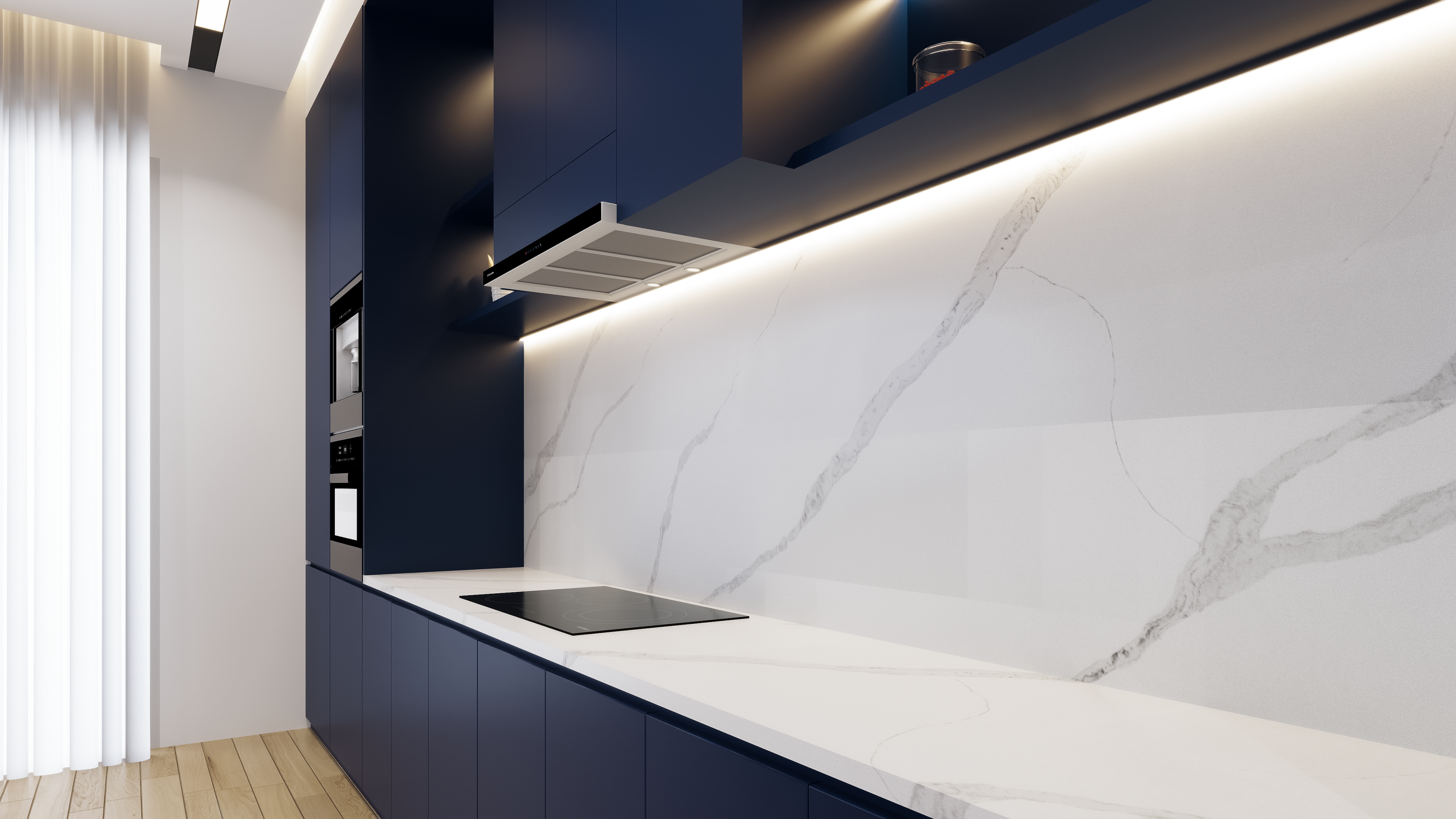
Overall, quartz countertops are the ideal choice for modern homes, busy households, and functional spaces where durability and convenience are key.
Choose Marble Countertops If
- Appreciation for unique, natural beauty is key, with each slab offering distinctive veining that cannot be replicated.
- A luxurious and timeless aesthetic is desired, as marble has long been associated with classic and high-end design.
- The space is decorative or low-traffic, such as bathroom vanities, feature walls, or statement pieces.
- Strong heat resistance is beneficial, making marble suitable for areas exposed to higher temperatures.
- Willingness to handle regular maintenance is present, including sealing and careful cleaning to preserve its appearance.
- Custom or artistic projects are involved, where natural variation enhances uniqueness and visual impact.
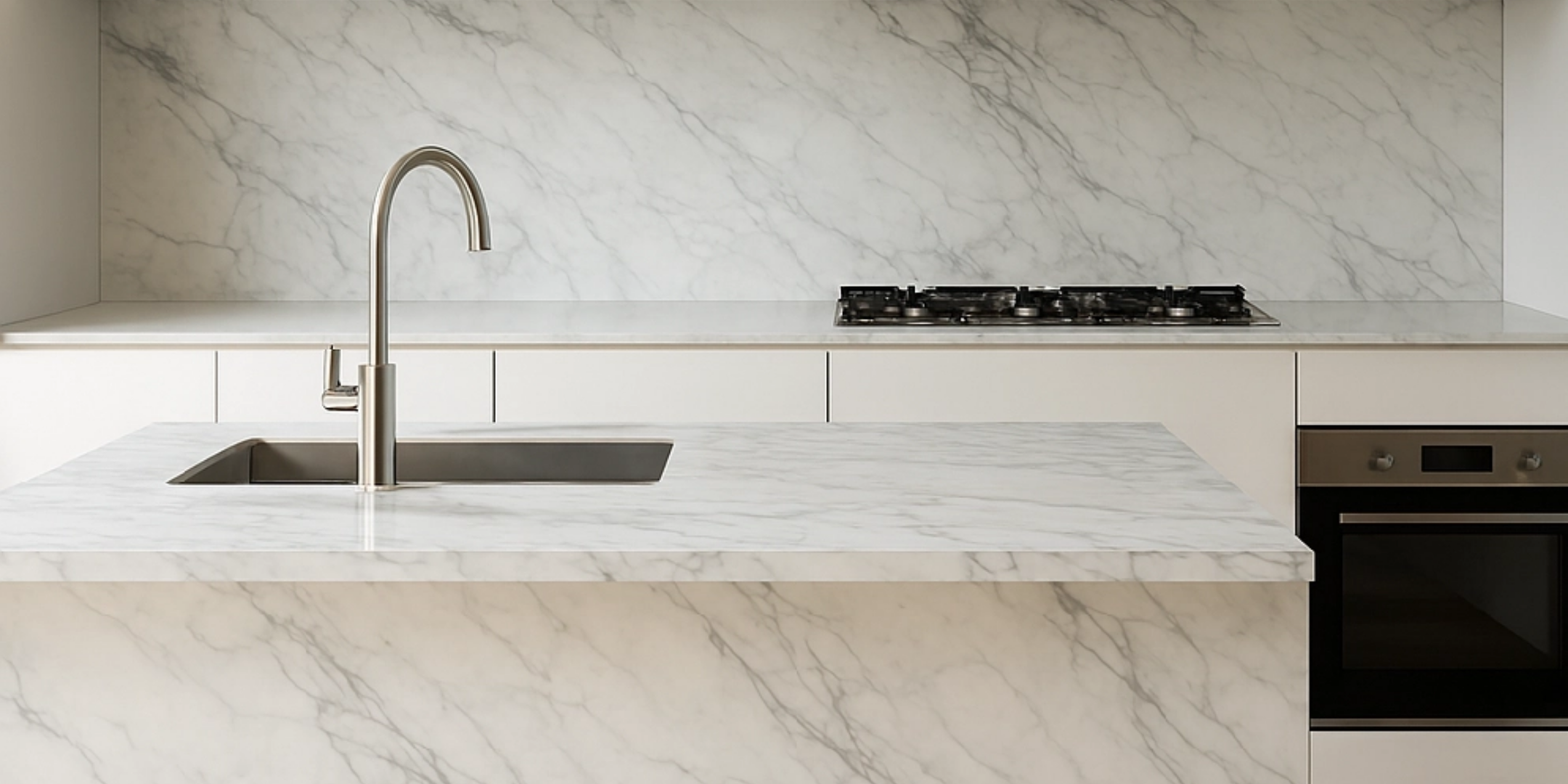
In summary, marble countertops are best suited for luxury interiors, decorative applications, and projects where visual impact matters more than practicality.
Frequently Asked Questions About Quartz vs Marble
1. Which is More Durable: Quartz or Marble?
Quartz is significantly more durable than marble. It ranks around 7 on the Mohs hardness scale, while marble is much softer at around 3-4. This means quartz is far more resistant to scratches, chips, and everyday wear. In contrast, marble is more prone to surface damage and can be affected by acidic substances like lemon juice or vinegar.
2. Can Quartz Look Like Marble?
Yes, modern engineered quartz can closely replicate the look of marble. Many high-quality quartz designs feature realistic veining patterns and color variations similar to natural marble. The main difference is that quartz offers more consistency in pattern and color, while marble remains unique in every slab.
3. Does Quartz and Marble Countertops Need Sealing?
No, quartz does not require sealing. It is a non-porous material, which means it naturally resists moisture and stains. Marble, however, is porous and needs to be sealed regularly – typically every 3 to 6 months, to maintain its appearance and prevent staining.
4. Which is Better for Kitchens: Quartz or Marble?
Quartz is usually the better choice for kitchens due to its durability, stain resistance, and low maintenance. Marble can be used, but it requires more care and is more prone to etching and staining from common kitchen ingredients.
5. How do I Clean Quartz and Marble Countertops?
Quartz is very easy to clean, just use soap and water or standard household cleaners. Marble requires more care and should only be cleaned with non-acidic, non-abrasive cleaners to avoid damaging the surface. Regular maintenance is essential to keep marble looking its best.
6. Can Heat Damage Quartz or Marble Countertops?
Yes, both materials can be affected by heat, but in different ways. Marble is more naturally heat-resistant, while quartz can be damaged by excessive heat due to the resin it contains. Using trivets or heat pads is recommended for both materials to prevent damage.
When comparing quartz vs marble countertops, the decision ultimately comes down to balancing beauty with practicality. Quartz stands out as a modern, high-performance material that offers durability, low maintenance, and consistent design, making it an excellent choice for everyday living and high-traffic spaces. Marble, on the other hand, remains a symbol of timeless elegance, valued for its natural uniqueness and luxurious appeal, but it requires a higher level of care and commitment.
For most homeowners, quartz provides the best combination of convenience, longevity, and value, especially in kitchens where durability and ease of maintenance are essential. However, for those who prioritize aesthetics and are willing to invest in upkeep, marble continues to be a compelling option that delivers unmatched visual impact. By understanding the key differences between quartz vs marble countertops, you can make a more informed decision that not only enhances the look of your space but also supports your lifestyle in the long run.
At Lux Quartz Vietnam, we support fabricators, designers, and homeowners in selecting premium quartz surfaces that seamlessly combine style, durability, and practicality. Whether you’re working on a residential upgrade or a large-scale design and fabrication project, our team is here to guide you through material selection, color options, and design solutions tailored to your needs. Contact Lux Quartz Vietnam today to explore our collection and find the perfect quartz countertops for your next project.
See more: