When choosing materials for kitchen or bathroom surfaces, homeowners often compare quartz vs quartzite because both offer durability, elegant appearance, and long-lasting performance. At first glance, these two materials may look similar, which is why many people confuse quartz countertops with quartzite countertops. However, despite their similar names, they differ in several important aspects
Understanding the distinctions between quartz countertops and quartzite countertops can help you make a smarter decision when selecting the right surface for your kitchen or bathroom. In this guide, we will explore the key differences in origin, appearance, water and heat resistance, maintenance, durability, installation difficulty, and cost to help you determine which material best fits your lifestyle and budget.
- Quartz vs Quartzite: Quick Comparison
- Quartz vs Quartzite: Key Differences
- Origin and Composition: Quartzite is Natural Whereas Quartz is Engineered
- Appearance: Color and Pattern Differences
- Water and Heat Resistance: Quartzite is Better
- Care and Cleaning: Quartz is Easier to Care for and Clean
- Durability and Maintenance: Quartzite is Harder than Quartz, but Need to be Sealed
- Installation Difficulty: Installation is Not Easy With Quartzite
- Cost: Quartzite is More Expensive
- Quartz vs Quartzite Countertops: Which is Better?
- Frequently Asked Questions About Quartz vs Quartzite
Quartz vs Quartzite: Quick Comparison
When comparing countertop materials, it can be helpful to start with a quick side-by-side overview. While quartz and quartzite may look similar at first glance, they differ in several important aspects that can influence which one is the better fit for your kitchen or bathroom.
The table below highlights the key differences between the two materials, including their origin, appearance, durability, care requirements, installation difficulty, and cost. This quick comparison provides a general snapshot to help you understand how quartz and quartzite stack up against each other before exploring each factor in more detail.
| Feature | Quartz | Quartzite |
| Origin and Composition | Engineered stone | Natural stone |
| Appearance | Wide color options, uniform patterns, easier to customize the color | Natural colors, unique veining |
| Water and Heat Resistance | Non-porous, good water and stain resistance, but lower heat resistance than quartzite | Very heat resistant, but vulnerable to moisture and stain, needs to be sealed |
| Care and Cleaning | Very easy, no sealing required | Needs sealing regularly and more care |
| Durability and Maintenance | Hard (Mohs ~7), low maintenance | Harder (Mohs 7–8), requires periodic sealing |
| Installation Difficulty |
Heavy but easier to fabricate and install than quartzite | More difficult than quartz |
| Cost | ~$40–$100 per sq ft | ~$80–$210 per sq ft |
Below, we’ll break down each of these factors to better understand how quartz vs quartzite compare.
Quartz vs Quartzite: Key Differences
Kitchen countertops handle constant daily use, from food preparation and spills to heat and impact, so choosing the right material involves more than just appearance. Among the many options available today, quartz and quartzite stand out as two of the most popular choices for modern kitchens. Although their names sound similar and their surfaces can sometimes look alike, they are quite different in several important ways, including composition, appearance, water and heat resistance, care and cleaning, durability and maintenance, installation, and cost. Understanding these differences can help you determine which material better suits your needs, lifestyle, and budget.
Origin and Composition: Quartzite is Natural Whereas Quartz is Engineered
The main difference between quartz and quartzite begins with how each material is formed. Despite having similar names and sometimes similar appearances, one is manufactured while the other is a naturally occurring stone.
Quartz countertops are engineered surfaces created by combining crushed natural quartz crystals with resins, polymers, and pigments. In most cases, the finished slab contains about 90–95% natural quartz, with the remaining portion made up of binding agents that hold the material together. This manufacturing process allows producers to control the color, pattern, and overall appearance of the countertop. As a result, quartz surfaces often have a more consistent look and uniform structure, which is one reason they are popular in modern kitchens.
See more: How Engineered Quartz Countertops Are Made: The Complete Manufacturing Process
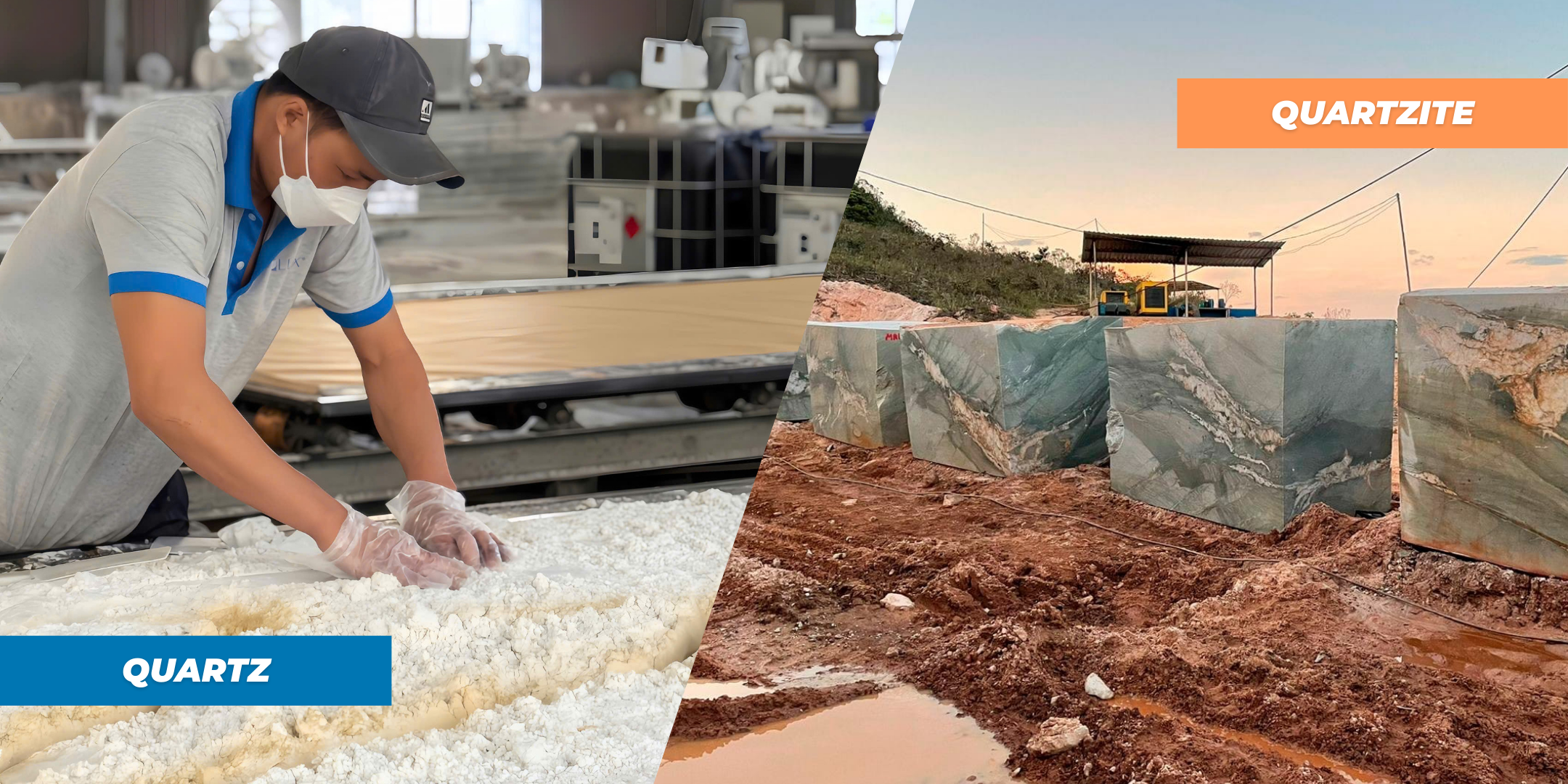
Quartzite, on the other hand, is a natural stone formed through geological processes. It starts as sandstone that is subjected to intense heat and pressure beneath the earth’s surface over millions of years. This transformation causes the quartz grains in the sandstone to recrystallize and fuse together, creating a dense and highly durable stone. Because quartzite is quarried directly from natural rock formations, each slab has unique mineral patterns, subtle color variations, and natural veining that cannot be perfectly duplicated.
These differences in origin mean that quartzite offers the distinct character of natural stone, while quartz provides a manufactured surface with greater consistency and design flexibility.
Appearance: Color and Pattern Differences
At first glance, quartz and quartzite countertops can appear quite similar, especially because both materials often feature light tones and subtle patterns. However, their overall appearance and color options differ significantly due to how each material is formed.
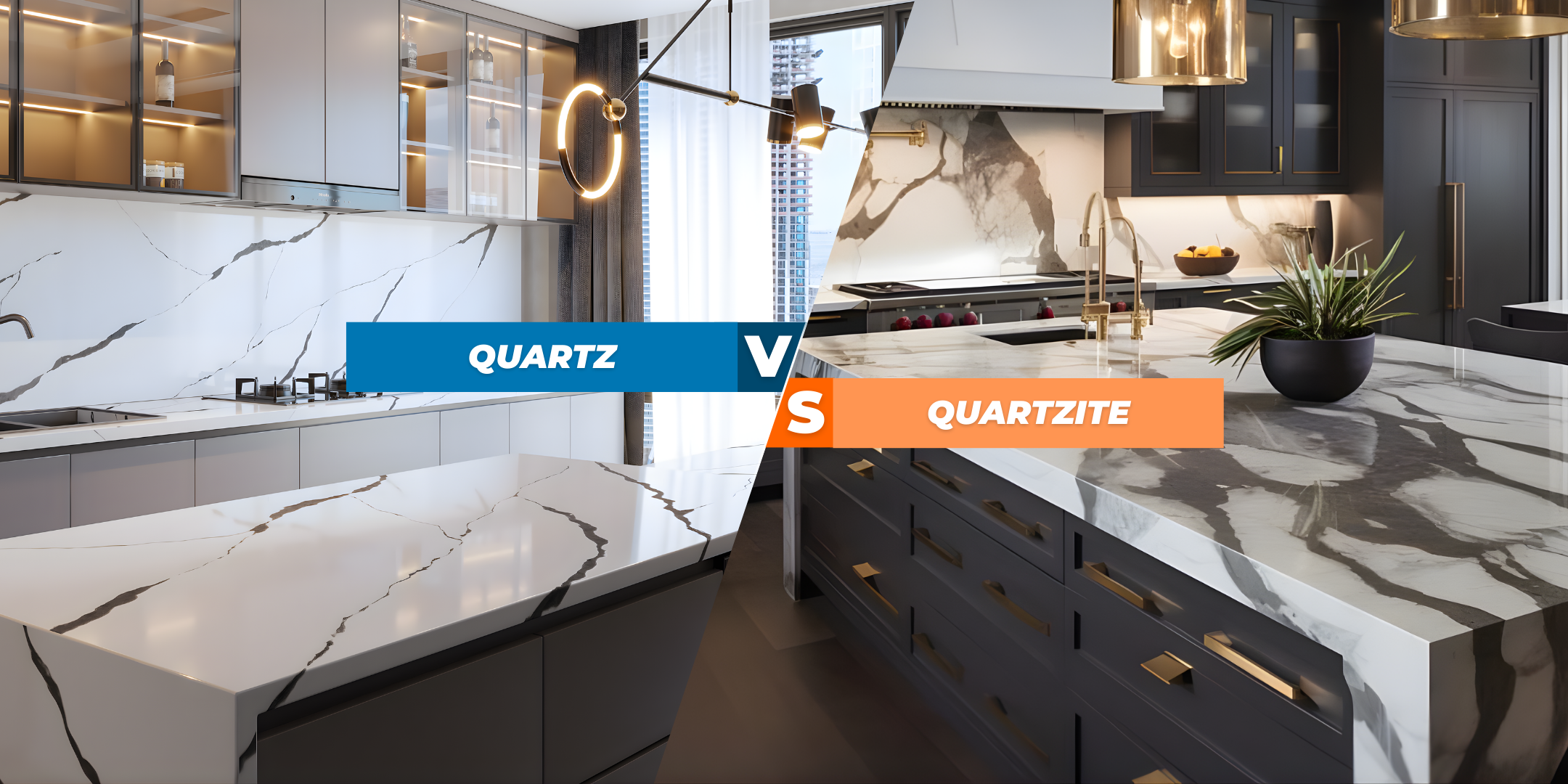
Quartz countertops are engineered products, which means manufacturers can control the color and pattern during production. Pigments are added to the mixture of quartz particles and resin, allowing the surface to be created in a wide range of colors, from neutral whites and greys to bold shades like blue, black, or even custom tones. Because of this controlled process, quartz can also be designed to mimic the look of other natural stones, including marble or granite, with carefully crafted veining and patterns. Another advantage is consistency: slabs can be produced with a uniform color and pattern, making seams and edges easier to match during installation.
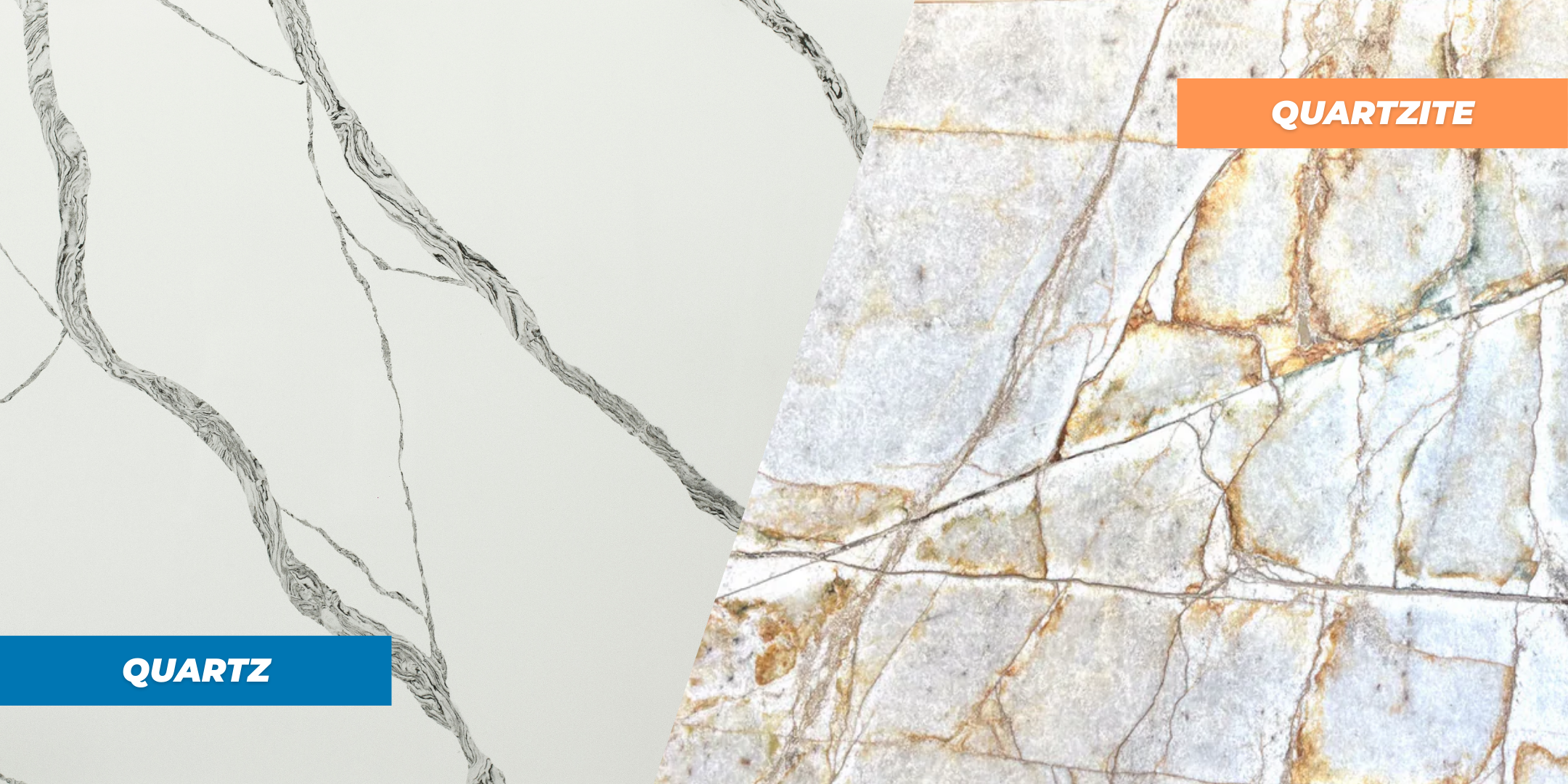
Quartzite, by contrast, is a natural stone, so its appearance is determined entirely by geological processes rather than manufacturing. Most quartzite slabs are found in light shades such as white, off-white, or light gray, often accented with subtle veining or small mineral flecks. Depending on the minerals present in the stone, you may occasionally see hints of red, pink, blue, or green running through the surface. Iron oxide, for example, can create faint reddish or pinkish veins.
While these natural details give quartzite a unique and authentic look, the material typically offers less color variety than engineered quartz. Patterns are also less predictable, and slabs may vary noticeably from one piece to another. This natural variation can add character to the countertop, but it may also make it more challenging to perfectly match seams or maintain a completely uniform appearance across a large surface.
In short, quartz provides greater flexibility in color and design, while quartzite stands out for its natural beauty and subtle mineral patterns. The choice often comes down to whether you prefer the consistency and design options of an engineered surface or the one-of-a-kind look of natural stone.
Water and Heat Resistance: Quartzite is Better
Countertops are commonly installed in areas where they are regularly exposed to moisture and high temperatures, such as kitchens and bathrooms. Because of this, the ability of a material to handle water and heat is an important factor when comparing different countertop options. Both materials perform well in everyday environments, but they handle moisture and heat differently because of their composition.
Quartz countertops offer excellent resistance to water because they are engineered with resin binders that create a non-porous surface. This structure prevents liquids from penetrating the countertop and helps reduce the risk of stains from common spills. However, the same resin that protects quartz from moisture also makes it more sensitive to heat. Temperatures around 300°F (150°C) or higher can potentially discolor or damage the surface, so using trivets or heat pads for hot cookware is recommended.
Quartzite countertops, on the other hand, are highly heat resistant because they are natural stone formed under intense heat and pressure within the earth. They can tolerate high temperatures more easily than quartz countertops, making them a good option for busy kitchens. The main drawback is that quartzite is naturally porous, so it needs to be sealed periodically to prevent liquids from being absorbed and causing stains.
Care and Cleaning: Quartz is Easier to Care for and Clean
It’s helpful to have a clear understanding of the care and cleaning requirements for a countertop material before deciding to install it. Some surfaces require extra steps to keep them looking good, while others are designed to be more convenient for everyday use.
Quartz countertops are generally very simple to clean thanks to their non-porous surface. Because the material does not absorb liquids, common spills like water, oil, coffee, or juice are less likely to penetrate the surface or leave stains. The resin used to bind the quartz particles creates a smooth and sealed structure that helps resist moisture and bacteria. In most cases, routine cleaning only requires a soft cloth or sponge with warm water and mild dish soap. Standard household surface cleaners can also be used without worrying about damaging the material.
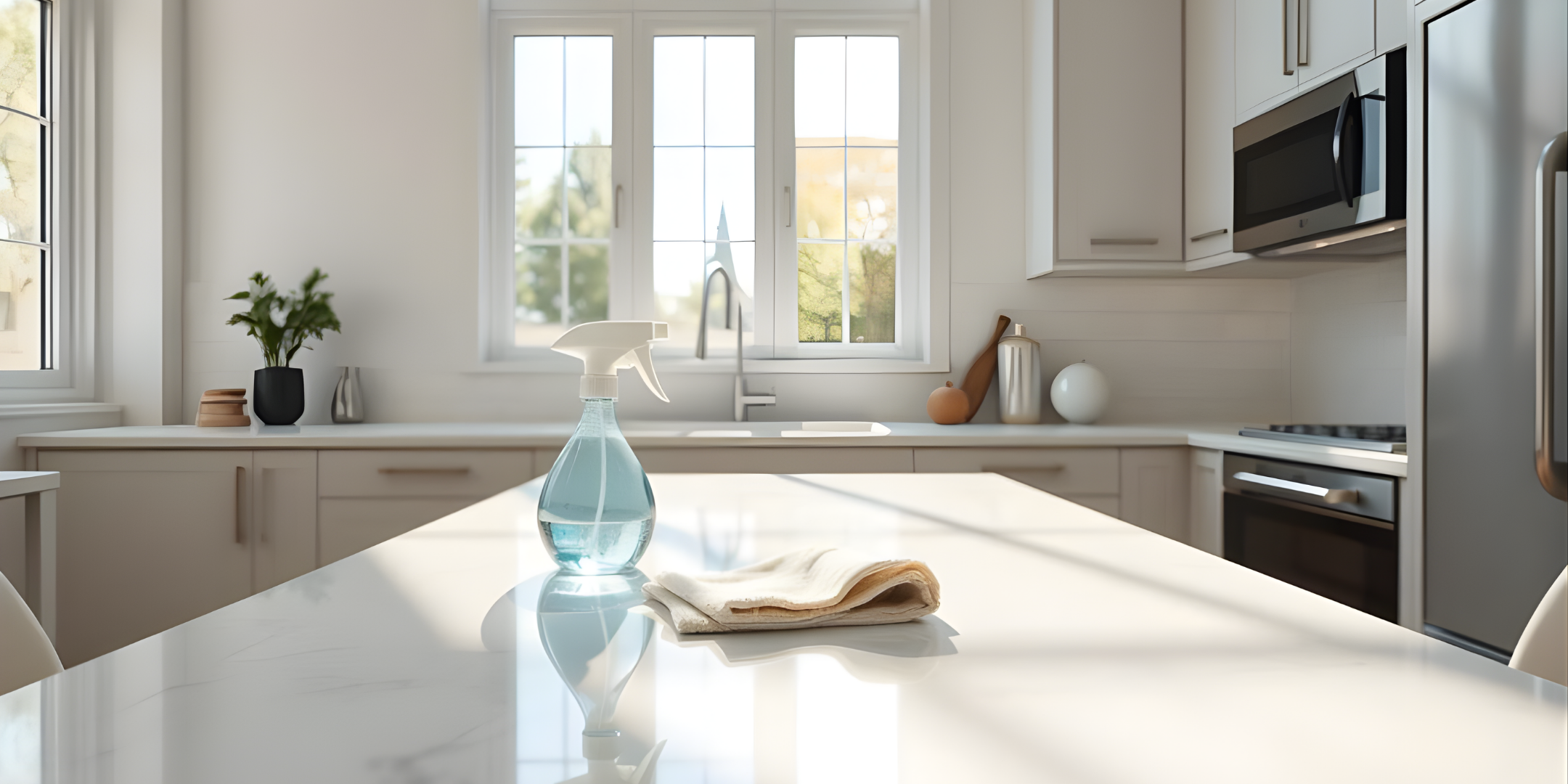
Quartzite can also be cleaned with a similar routine, but it requires one important condition – the surface should be sealed beforehand. Since quartzite is a natural stone, it has tiny pores that can absorb liquids if left unprotected. When properly sealed, it can be wiped down with gentle cleaners and a soft cloth just like many other stone countertops. However, if the surface has not been sealed, water, oils, or acidic liquids may soak into the stone and cause stains or discoloration.
Because quartz does not require sealing and resists liquid absorption by design, it is typically considered the easier option when it comes to everyday care and cleaning. Quartzite can still be kept clean effectively, but it requires a bit more attention to ensure the surface remains properly protected.
Durability and Maintenance: Quartzite is Harder than Quartz, but Need to be Sealed
When comparing quartz vs quartzite countertops, durability and maintenance are important factors to consider. Both materials are strong and suitable for everyday kitchen use, but they differ slightly in hardness and upkeep requirements.
Quartz countertops are highly durable and relatively easy to maintain. With a hardness of around 7 on the Mohs scale, quartz resists scratches, minor impacts, and daily wear quite well. Because quartz is engineered with resin binders that create a dense, non-porous surface, it usually requires only routine cleaning and does not need additional maintenance such as sealing.
Quartzite countertops are typically even harder, ranking between 7 and 8 on the Mohs scale, which makes them extremely resistant to scratches and physical damage. However, because quartzite is a natural stone, it is porous and needs to be sealed periodically to prevent liquids from penetrating the surface and causing stains.
See more: Effective Quartz Countertops Care and Maintenance Tips
Installation Difficulty: Installation is Not Easy With Quartzite
Countertop installation can be a complex process, especially when working with heavy stone materials. Although some homeowners consider installing countertops themselves, this is rarely recommended for materials like quartz or quartzite due to their size, weight, and the precision required during installation.
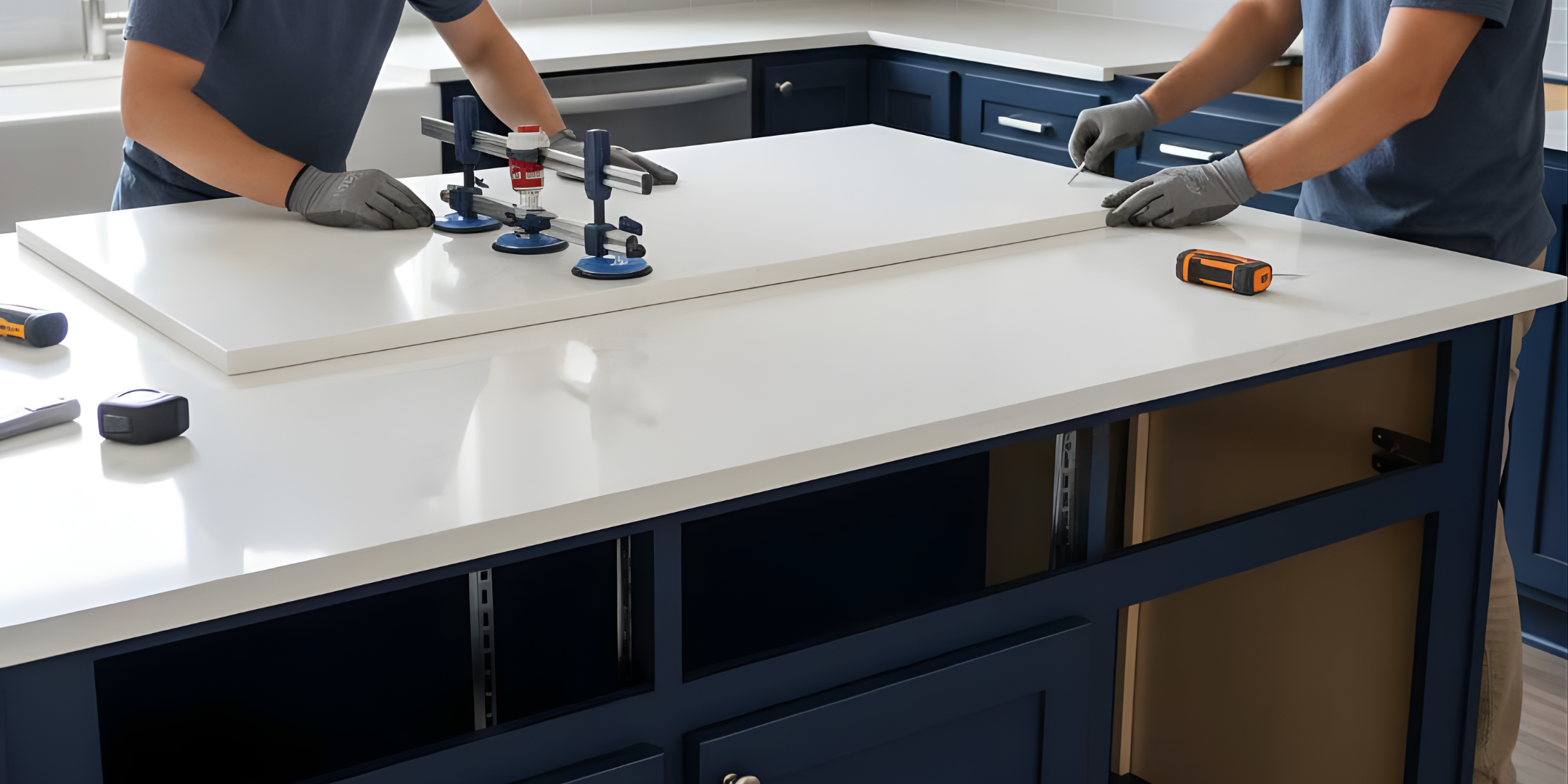
Quartz countertops are manufactured in controlled environments, allowing slabs to be produced in consistent sizes and thicknesses. Despite this advantage, quartz is still very heavy, typically weighing around 20 to 25 pounds per square foot. Because of this, installers usually work in teams to safely lift and position the slabs. Professional installation helps ensure the countertop is properly aligned, supported, and securely fitted.
Quartzite can be even more challenging to install. As a natural stone, slabs often vary in shape, thickness, and pattern, which can make measuring, cutting, and fitting more complicated. Although quartzite may weigh slightly less than quartz, it is still a dense and bulky material that typically weighs about 20 pounds per square foot, requiring experienced installers and specialized tools to handle safely.
Another factor that adds difficulty is the stone’s natural structure. Quartzite may contain natural veins or small fissures, so cutting or modifying the slab must be done carefully to avoid cracking or breakage. Because of this risk, fabricators often plan for additional material in case adjustments are needed during installation.
For these reasons, quartzite countertops are generally considered more difficult to install and are best handled by professionals with experience working with natural stone. Quartz, while still heavy, tends to be easier to fabricate and fit due to its engineered consistency.
Cost: Quartzite is More Expensive
Cost is another important factor to consider when comparing countertop materials, especially for large kitchen or bathroom projects where the total surface area can significantly affect the budget.
Quartz countertops are generally more affordable because they are engineered materials produced in controlled manufacturing environments. This process allows manufacturers to create slabs with consistent colors and patterns while keeping prices relatively predictable. On average, quartz countertops typically cost around $40 to $100 per square foot, depending on the brand, design, and finish.
Quartzite countertops are usually more expensive because they are quarried natural stone. Extracting, transporting, and fabricating quartzite requires more labor and specialized tools, which increases the cost. As a result, quartzite countertops often range from $80 to $210 per square foot, making them a higher-end option compared with quartz.
Quartz vs Quartzite Countertops: Which is Better?
Choosing between quartz and quartzite ultimately depends on your priorities, such as design preference, maintenance expectations, heat exposure, and budget. Both materials are durable and attractive, but each one suits different needs and lifestyles.
Choose Quartz Countertops If
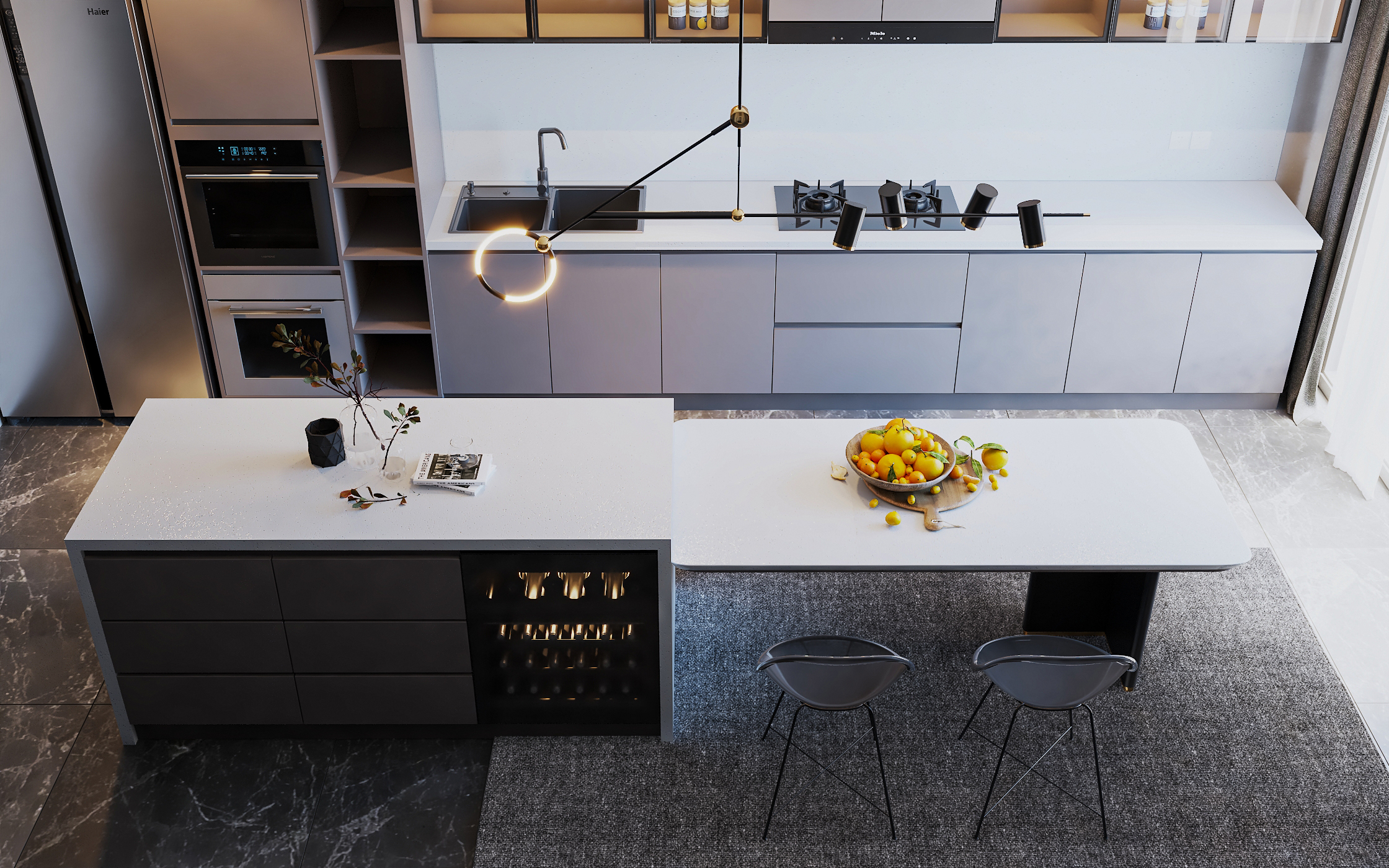
If you are looking for a countertop material that is easy to clean, low-maintenance, water-resistant, and durable, quartz is often the more practical choice. Its non-porous surface does not require sealing and resists stains and moisture, making it convenient for everyday kitchen use. Quartz also offers a wide range of colors and patterns because it is engineered, allowing homeowners to choose designs that match their style while typically staying within a more affordable budget.
Choose Quartzite Countertops If
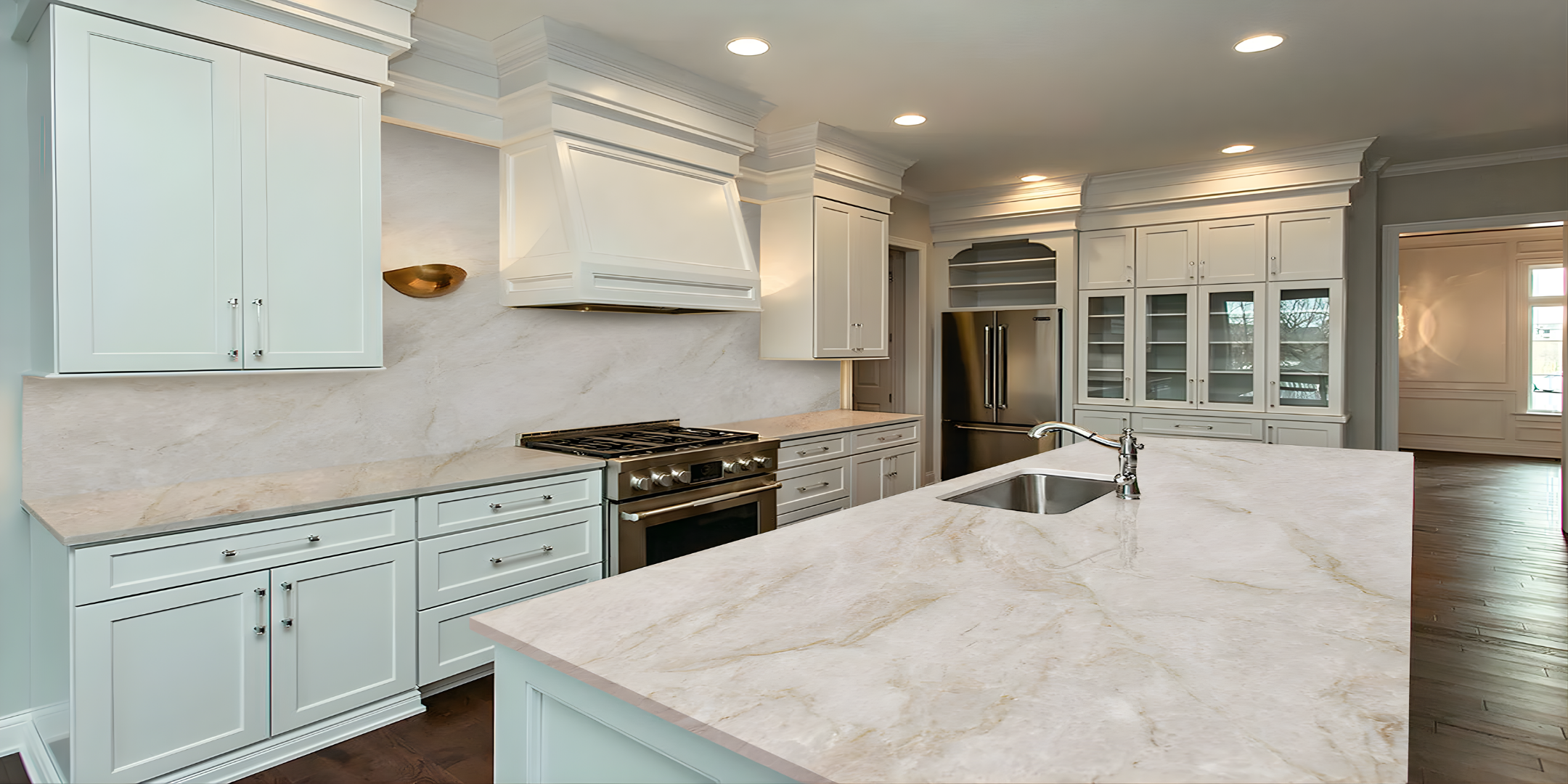
Quartzite, on the other hand, can be an excellent option for those who appreciate the natural beauty of stone and do not mind occasional maintenance such as sealing and resealing the surface. This material is extremely hard, highly resistant to heat, and durable against scratches and impact, making it well suited for busy kitchens. Although quartzite is generally more expensive and requires a bit more care, it offers a distinctive natural appearance and an impressively long lifespan that many homeowners value.
Frequently Asked Questions About Quartz vs Quartzite
1. Which is Better for Kitchen Countertops: Quartz or Quartzite?
When comparing quartz vs quartzite, the better option depends on your priorities. Quartz countertops are often preferred for their low maintenance, stain resistance, and wide range of design options. They are ideal for homeowners who want a durable surface that is easy to clean and does not require sealing. Quartzite countertops may be the better choice for those who want the natural beauty of stone and superior heat resistance. However, they require periodic sealing and slightly more maintenance.
2. Are Quartz and Quartzite Countertops Suitable for Bathrooms as well as Kitchens?
Yes, both quartz countertops and quartzite countertops can work well in kitchens and bathrooms. Quartz is particularly popular for bathrooms because its non-porous surface resists moisture and stains. Quartzite can also be used in bathrooms, but it should be properly sealed to prevent water absorption over time.
3. Can You Put a Hot Pan on Quartz Countertops?
It is generally not recommended to place a hot pan directly on quartz countertops because the resin binders used in the material can begin to melt or discolor at temperatures around 300°F (150°C). Doing so may cause permanent damage to the surface. In comparison, quartzite countertops are more heat resistant, but using trivets or heat pads is still the safest way to protect any countertop surface.
4. Which Lasts Longer: Quartz or Quartzite Countertops?
Both materials are long-lasting, but in the quartz vs quartzite comparison, quartzite countertops can potentially last longer because they are natural stone with very high hardness. However, quartz countertops also have an impressive lifespan and may require less maintenance over time because they are non-porous and do not need sealing.
5. Can Quartz Countertops Look Like Natural Stone?
Yes, quartz countertops are often designed to mimic the look of natural materials such as marble or granite. In the quartz vs quartzite countertops comparison, quartz offers more design flexibility because manufacturers can control colors and patterns, while quartzite countertops feature natural veining and unique mineral patterns created by geological processes.
In the comparison of quartz vs quartzite countertops, both materials deliver durability and long-term value. Quartz stands out for its easy maintenance, consistent design, and affordability, while quartzite offers the unique appearance and heat resistance of natural stone. The best choice ultimately depends on whether you prioritize convenience or natural aesthetics.
At Lux Quartz Vietnam, we help homeowners and designers choose high-quality quartz surfaces that combine style, durability, and practicality. If you’re planning a kitchen or bathroom upgrade, our team is ready to guide you through materials, colors, and design options. Get in touch with Lux Quartz Vietnam today to discover the perfect quartz countertops for your home.
See more: