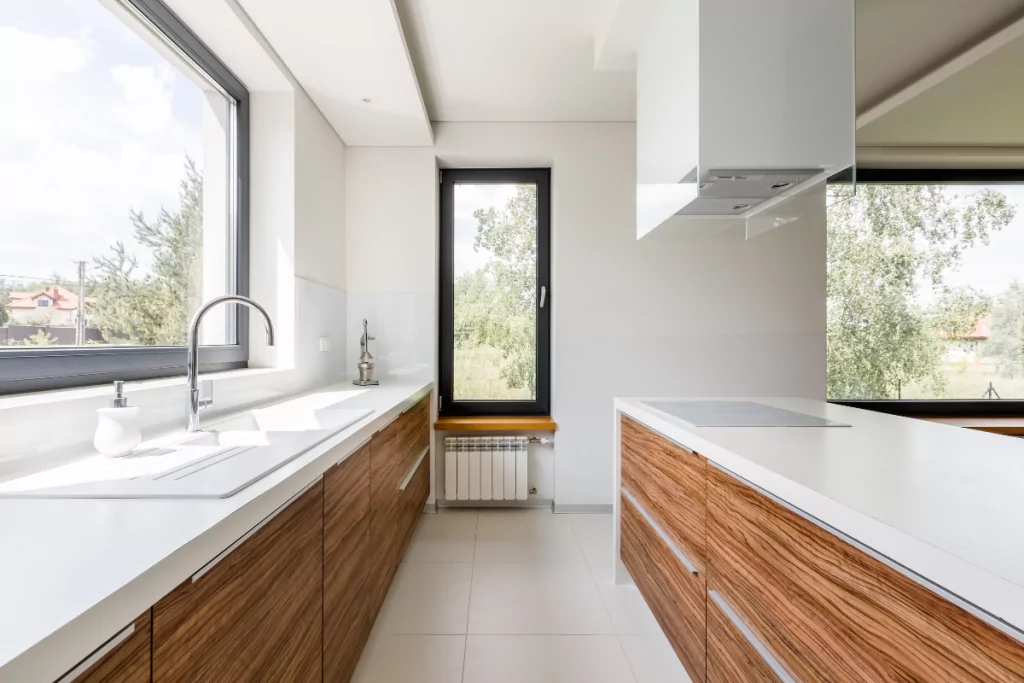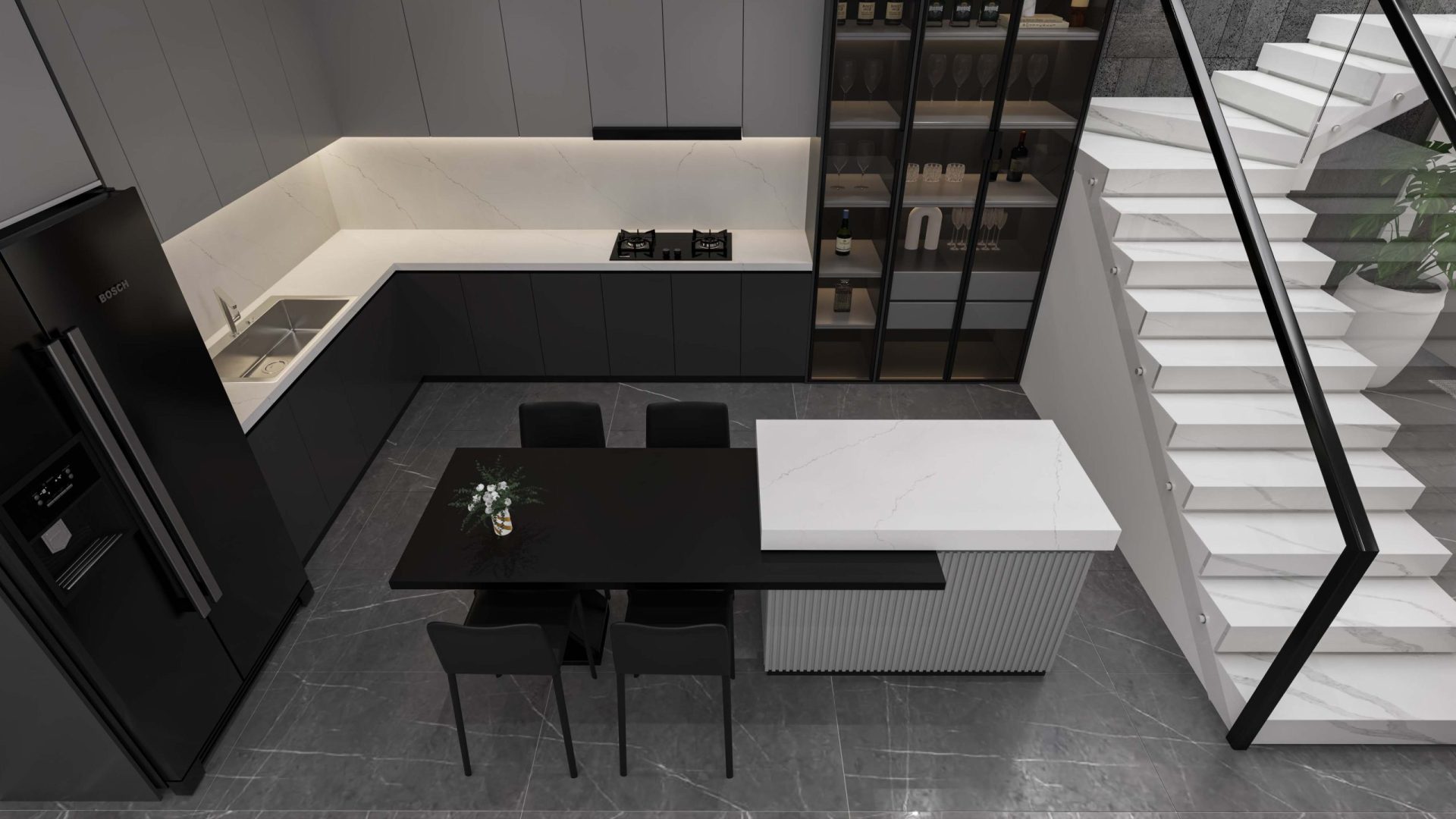
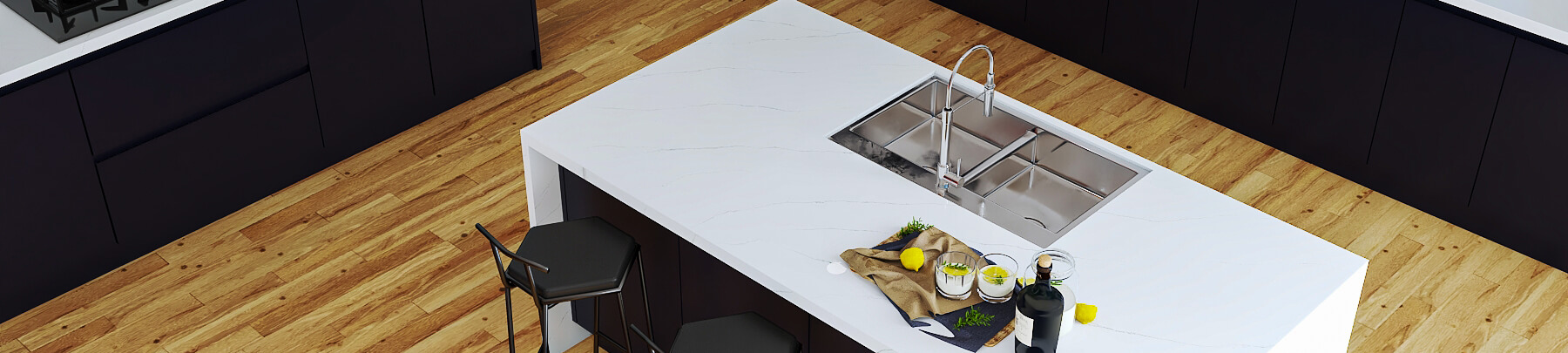
The engineered stone industry is undergoing one of its biggest transformations in decades. As awareness of workplace health and safety continues to grow, manufacturers, fabricators, architects, and distributors are increasingly seeking safer alternatives to traditional quartz surfaces. Among these innovations, silica-free quartz has emerged as the next generation of engineered stone. Designed to significantly reduce or eliminate crystalline silica content, it helps minimize health risks associated with silica dust while maintaining the elegant appearance, durability, and performance expected from premium quartz surfaces.
In this article, we’ll explore what silica-free quartz is, why the industry is embracing it, how it compares with low-silica and traditional quartz, and why Lux Quartz Vietnam is a trusted silica-free quartz manufacturer for global partners.
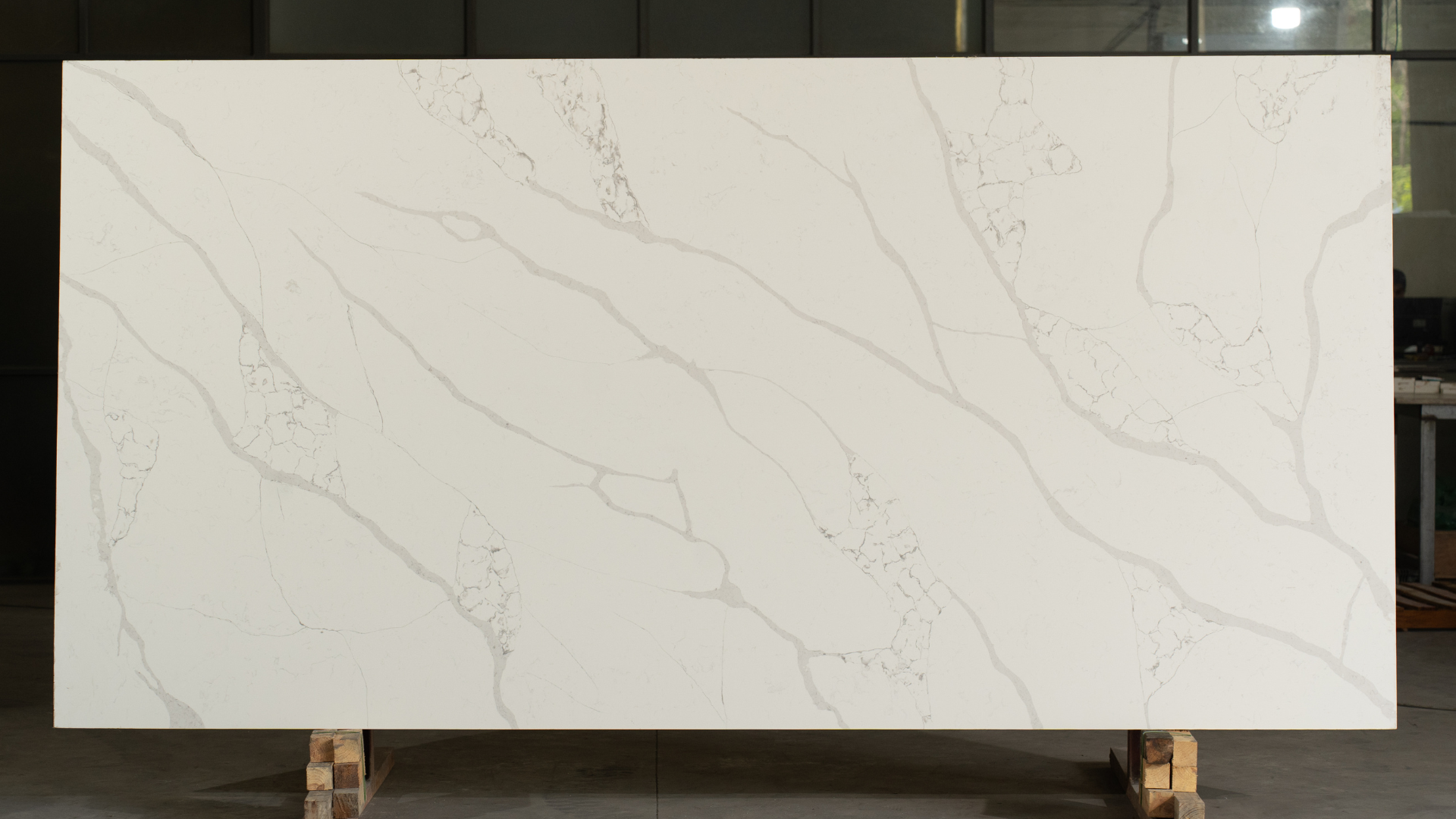
What Is Silica-Free Quartz?
Silica-free quartz is a new generation of engineered stone developed to contain little to no crystalline silica, replacing traditional quartz aggregates with alternative mineral materials and advanced engineered stone technologies. Unlike conventional quartz slabs—which typically contain 90–95% natural quartz and therefore high levels of crystalline silica—silica-free quartz is formulated using carefully selected mineral blends that deliver comparable strength and aesthetics while greatly reducing silica content.
The primary goal of silica-free quartz is to provide a safer material for fabrication and installation, where cutting, grinding, polishing, and drilling may generate airborne dust. Although silica-free quartz looks and performs similarly to conventional engineered stone, its composition is specifically designed to support safer manufacturing practices and comply with evolving industry standards.
Why Is the Industry Moving Toward Silica-Free Quartz?
The rapid adoption of silica-free quartz is driven primarily by growing concerns over occupational health and workplace safety.
When traditional quartz slabs are cut, ground, or polished, they can release fine respirable crystalline silica dust into the air. Prolonged exposure to this dust has been linked to serious respiratory diseases, prompting stricter regulations and encouraging manufacturers to develop safer alternatives. As a result, silica-free quartz is becoming an important innovation for the future of the engineered stone industry.
Enhanced Workplace Safety
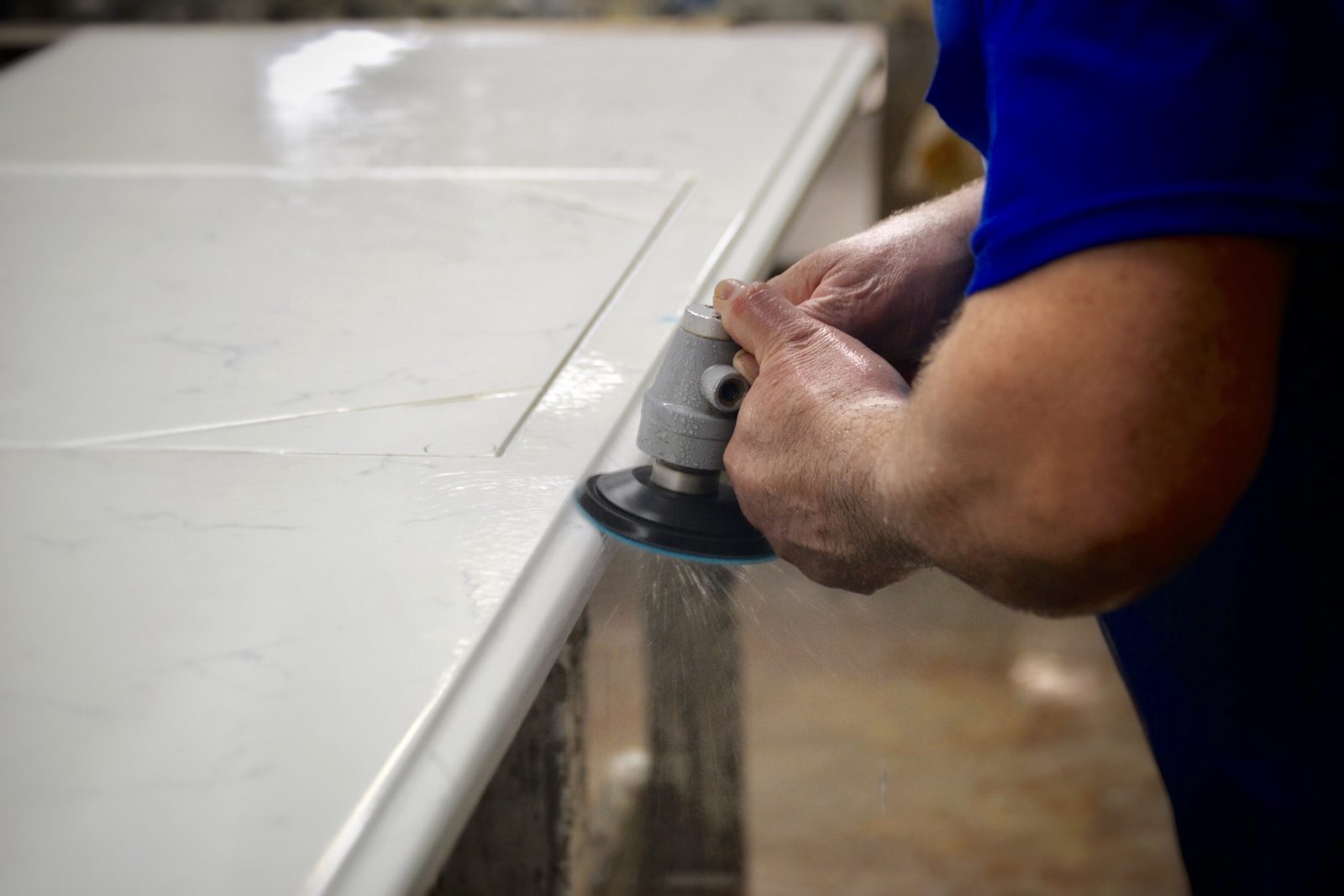
One of the primary reasons for the shift toward silica-free quartz is the growing emphasis on protecting workers throughout the fabrication process. By significantly reducing or eliminating crystalline silica, these surfaces can help lower the amount of respirable silica dust generated during cutting, polishing, and installation. While proper dust extraction systems, ventilation, and personal protective equipment (PPE) remain essential, using silica-free materials adds another layer of protection and supports safer working environments for fabricators and installers.
Evolving Industry Regulations
Governments and workplace safety authorities in several countries have introduced stricter regulations governing the processing of engineered stone products. These measures aim to reduce workers’ exposure to respirable crystalline silica and improve occupational health standards across the industry. As regulations continue to evolve, manufacturers are investing in silica-free and low-silica technologies to better align with current requirements and prepare for future market expectations.
Growing Customer Demand
Today’s customers are placing greater importance on health, sustainability, and responsible manufacturing. Architects, designers, developers, distributors, and homeowners are increasingly looking for surface materials that not only offer exceptional aesthetics but also reflect a stronger commitment to worker safety and environmental responsibility. This shift in market demand is encouraging suppliers to expand their portfolios with innovative silica-free quartz products that meet both design and safety expectations.
Technological Advancements
Advances in material science and engineered stone manufacturing have made silica-free quartz a practical reality. Instead of relying primarily on natural quartz aggregates, manufacturers now utilize alternative mineral formulations and innovative production technologies to achieve comparable strength, durability, and visual appeal. These technological breakthroughs enable modern silica-free and zero-silica quartz surfaces to replicate the luxurious appearance of traditional quartz while supporting the industry’s transition toward safer and more sustainable solutions.
See more: Silica Bans in Quartz Surfaces: Where Does Vietnam Stand and What Lux Quartz Offers
Silica-Free Quartz vs Low-Silica Quartz vs Traditional Quartz: What’s the Difference?
Understanding the differences between silica-free quartz, low-silica quartz, and traditional quartz is essential when selecting the right engineered stone for your project. While all three materials offer attractive designs and reliable performance, they differ in composition, workplace safety considerations, sustainability, and long-term value.
Silica Content and Material Composition
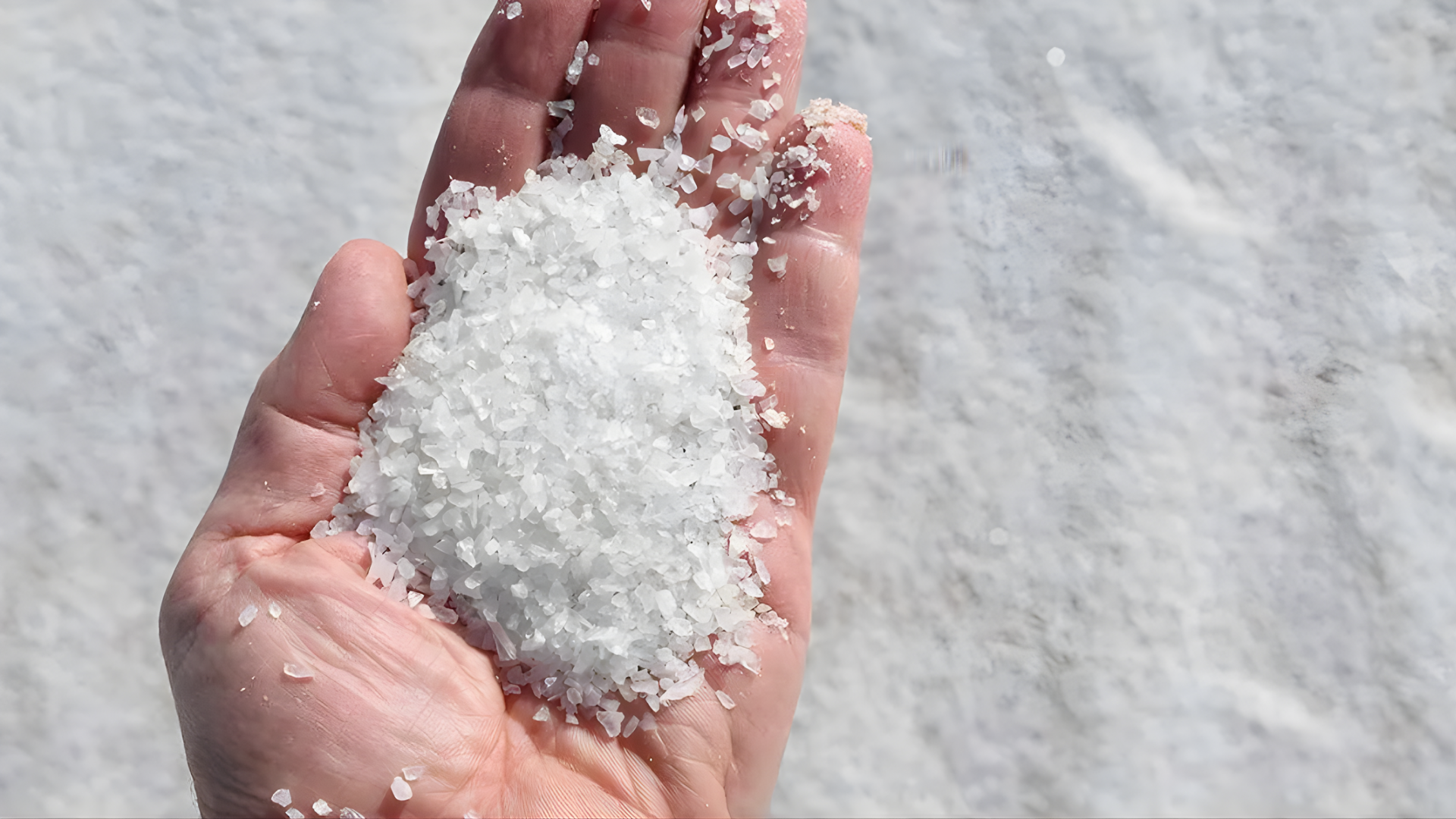
The most significant difference lies in the amount of crystalline silica used in each material. Traditional quartz typically contains 90–93% natural quartz, resulting in a high level of crystalline silica. Low-silica quartz reduces this percentage, often to below 40%, and in some advanced formulations, below 10%, by incorporating alternative minerals, recycled glass, and engineered binders.
Silica-free quartz takes this innovation one step further. Instead of relying on natural quartz aggregates, it is formulated with alternative mineral materials designed to contain little to no crystalline silica, while still delivering the appearance and performance expected from premium engineered stone.
Health and Safety Considerations
Health and safety have become key priorities across the engineered stone industry. During cutting, grinding, or polishing, traditional quartz can release respirable crystalline silica dust, which may pose health risks if proper dust control measures are not followed. Low-silica quartz helps reduce the amount of crystalline silica available, thereby lowering potential dust exposure during fabrication.
Silica-free quartz is specifically developed to further minimize this risk by significantly reducing or eliminating crystalline silica in its composition. While proper ventilation, dust extraction systems, and personal protective equipment (PPE) remain essential for all engineered stone fabrication, silica-free quartz supports safer workplace practices and aligns with the industry’s move toward healthier working environments.
Environmental Impact and Sustainability
Sustainability is another area where the three materials differ. Traditional quartz relies heavily on mined natural quartz, requiring significant mineral extraction. Low-silica quartz often replaces part of the quartz content with recycled glass, alternative minerals, or other engineered materials, reducing dependence on natural resources.
Silica-free quartz further advances this approach by utilizing innovative mineral formulations that minimize the use of crystalline silica while supporting more sustainable manufacturing. Many silica-free products are designed with both environmental responsibility and future industry requirements in mind.
Performance and Durability
Despite their different compositions, all three materials are engineered to provide excellent everyday performance. Traditional quartz is renowned for its hardness, stain resistance, scratch resistance, and non-porous surface. Low-silica quartz is designed to deliver comparable durability while maintaining excellent resistance to daily wear.
Similarly, silica-free quartz offers outstanding performance for residential and commercial interiors. Modern manufacturing technologies enable silica-free surfaces to achieve excellent strength, stain resistance, and low maintenance, making them suitable for kitchen countertops, bathroom vanities, wall cladding, and other high-use applications.
Design Flexibility and Aesthetics
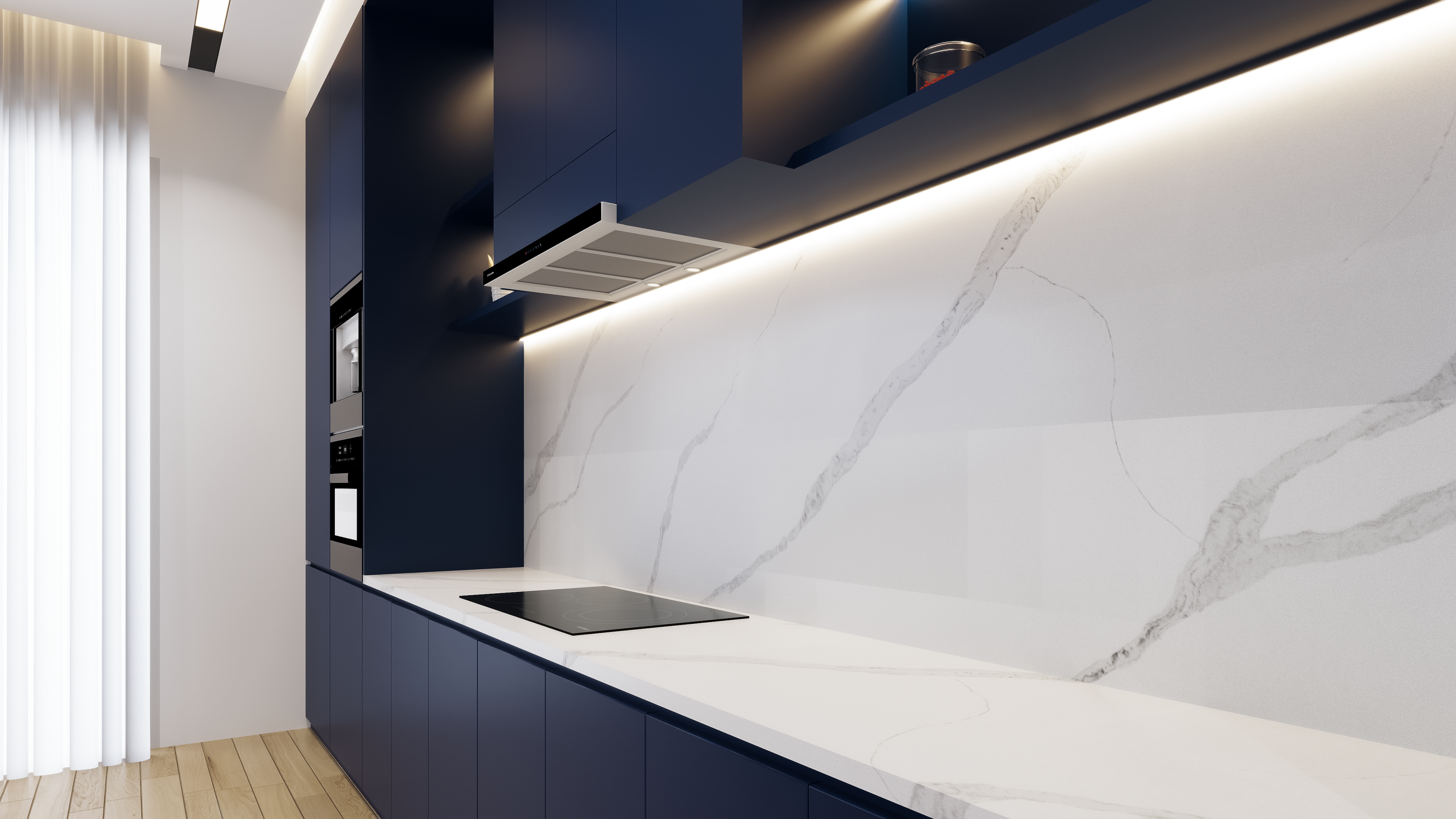
From a design perspective, there is very little difference among the three materials. Traditional quartz, low-silica quartz, and silica-free quartz are all available in a wide selection of colors, finishes, and marble-inspired patterns. Advanced manufacturing technologies allow each category to recreate the sophisticated appearance of natural stone, including Calacatta, Carrara, and other premium designs. This means homeowners, designers, and architects can enjoy exceptional aesthetics regardless of the material composition.
Cost and Long-Term Value
Cost is one of the main factors that distinguishes these materials. Traditional quartz is generally the most affordable option due to its well-established manufacturing process. Low-silica quartz often comes at a higher price because of its specialized formulations and advanced production technologies.
Silica-free quartz may represent the highest initial investment, reflecting the research, material innovation, and manufacturing expertise required to significantly reduce or eliminate crystalline silica. However, for many distributors, fabricators, developers, and project owners, the long-term value lies in supporting workplace safety initiatives, meeting evolving market expectations, and investing in the next generation of engineered stone.
Here’s a side-by-side comparison highlighting the key differences between silica-free quartz, low-silica quartz, and traditional quartz at a glance:
| Feature | Silica-Free Quartz | Low-Silica Quartz | Traditional Quartz |
| Silica Content and Material Composition | Little to no crystalline silica; formulated with alternative minerals and engineered materials | <40% crystalline silica (sometimes <10%); uses recycled glass, minerals, and advanced resins | 90–93% crystalline silica with resin binders |
| Health and Safety Considerations | Designed to minimize crystalline silica exposure during fabrication and support safer workplace practices | Significantly reduces silica dust exposure compared to traditional quartz | Higher silica dust exposure during fabrication; requires strict dust control measures |
| Environmental Impact and Sustainability | Supports sustainable innovation through alternative mineral formulations and reduced reliance on natural quartz | More eco-friendly; often incorporates recycled materials and cleaner production processes | Relies heavily on mined natural quartz, resulting in a higher environmental impact |
| Performance and Durability | Excellent durability; scratch-resistant, stain-resistant, non-porous, and low maintenance | Very durable; scratch-resistant, stain-resistant, and non-porous | Very durable; scratch-resistant, stain-resistant, and non-porous |
| Design Flexibility and Aesthetics | Wide range of colors, marble-look veining, and contemporary designs comparable to traditional quartz | Wide range of colors and patterns; closely replicates natural stone aesthetics | Extensive selection of colors, patterns, and finishes inspired by natural stone |
| Cost and Long-Term Value | Premium investment with long-term value driven by innovation and future-ready solutions | Higher upfront cost; offers a balance between performance and improved safety | Generally more affordable and widely available |
Overall, while all three materials offer excellent aesthetics and durability, silica-free quartz represents the latest innovation in engineered stone, providing a forward-looking solution for projects that prioritize workplace safety, sustainability, and long-term market compliance. Low-silica quartz offers a balanced alternative by reducing crystalline silica content while maintaining familiar performance, whereas traditional quartz remains a proven choice for its durability and affordability.
Choose Lux Quartz Vietnam – Your Trusted Quartz Slab Manufacturer
As the engineered stone industry continues to evolve, choosing the right manufacturing partner is just as important as selecting the right material. Lux Quartz Vietnam offers a comprehensive portfolio of silica-free quartz, low-silica quartz, and traditional quartz slabs, enabling distributors, fabricators, wholesalers, and project developers to meet diverse market needs while adapting to changing industry standards.
Whether you’re looking for next-generation silica-free quartz to support future-ready projects, low-silica quartz to balance performance with enhanced workplace safety, or traditional quartz for proven durability and cost efficiency, Lux Quartz provides reliable solutions tailored to your business requirements. Every slab is manufactured with strict quality control, consistent color matching, and premium finishes to ensure exceptional performance across residential and commercial applications.
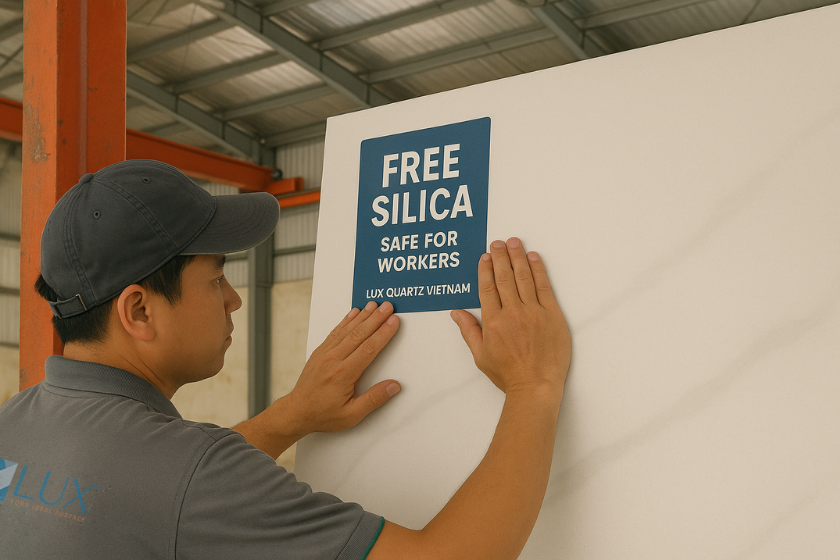
Beyond product innovation, Lux Quartz is committed to responsible manufacturing and long-term partnerships. With advanced production technology, dependable export capabilities, and dedicated OEM/ODM services, we help customers confidently source quartz surfaces that align with their market demands and evolving regulations. Partner with Lux Quartz Vietnam to explore our complete range of engineered quartz slabs, request samples, or receive expert guidance on selecting the right quartz solution for your next project.
See more: Choosing the Right Quartz Supplier: How Lux Quartz Vietnam Stands Out
Frequently Asked Questions About Free-Silica Quartz
Is Silica-Free Quartz Completely Free of Silica?
Silica-free quartz is designed to contain little to no crystalline silica. However, the exact composition may vary depending on the manufacturer and product formulation.
Is Silica-Free Quartz as Durable as Traditional Quartz?
Yes. High-quality silica-free engineered stone is developed to deliver excellent durability, scratch resistance, stain resistance, and long-lasting performance comparable to traditional quartz surfaces.
Is Silica-Free Quartz Suitable for Kitchen Countertops?
Absolutely. Its non-porous surface, low maintenance requirements, and elegant appearance make it an excellent choice for kitchen countertops, islands, bathroom vanities, and other interior applications.
What’s the Difference Between Silica-Free Quartz and Low-Silica Quartz?
Low-silica quartz contains reduced crystalline silica compared to conventional engineered stone, while silica-free quartz is specifically formulated to minimize or eliminate crystalline silica content as much as possible.
Why Choose Lux Quartz Vietnam?
Lux Quartz Vietnam offers innovative engineered stone solutions, consistent manufacturing quality, customized OEM/ODM services, and reliable global export capabilities, making us a trusted partner for distributors and wholesalers seeking premium silica-free quartz products.
See more: