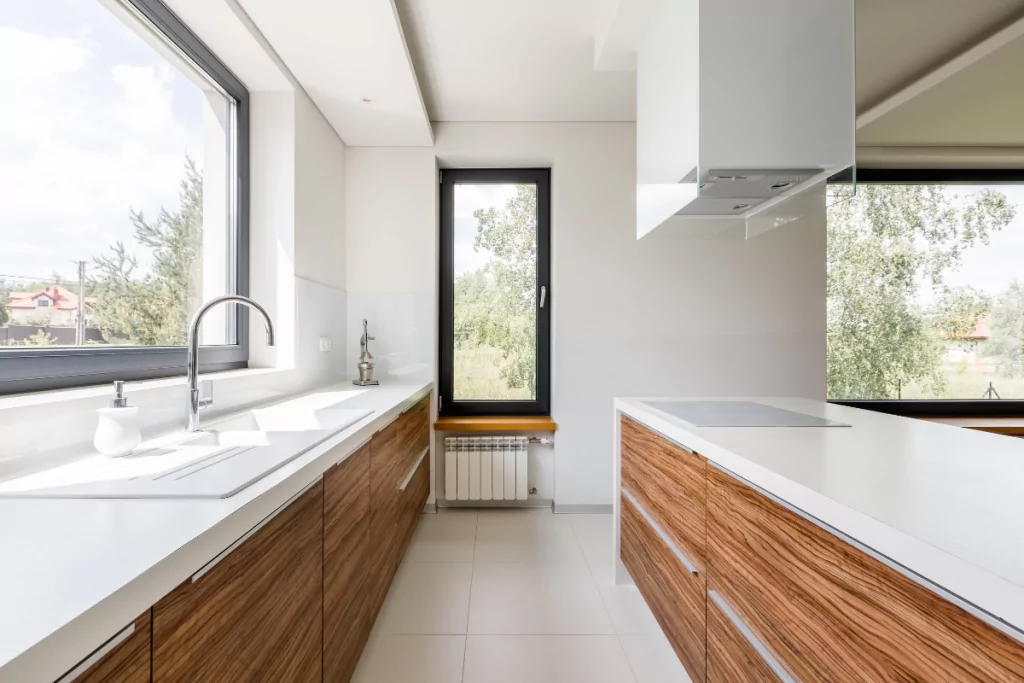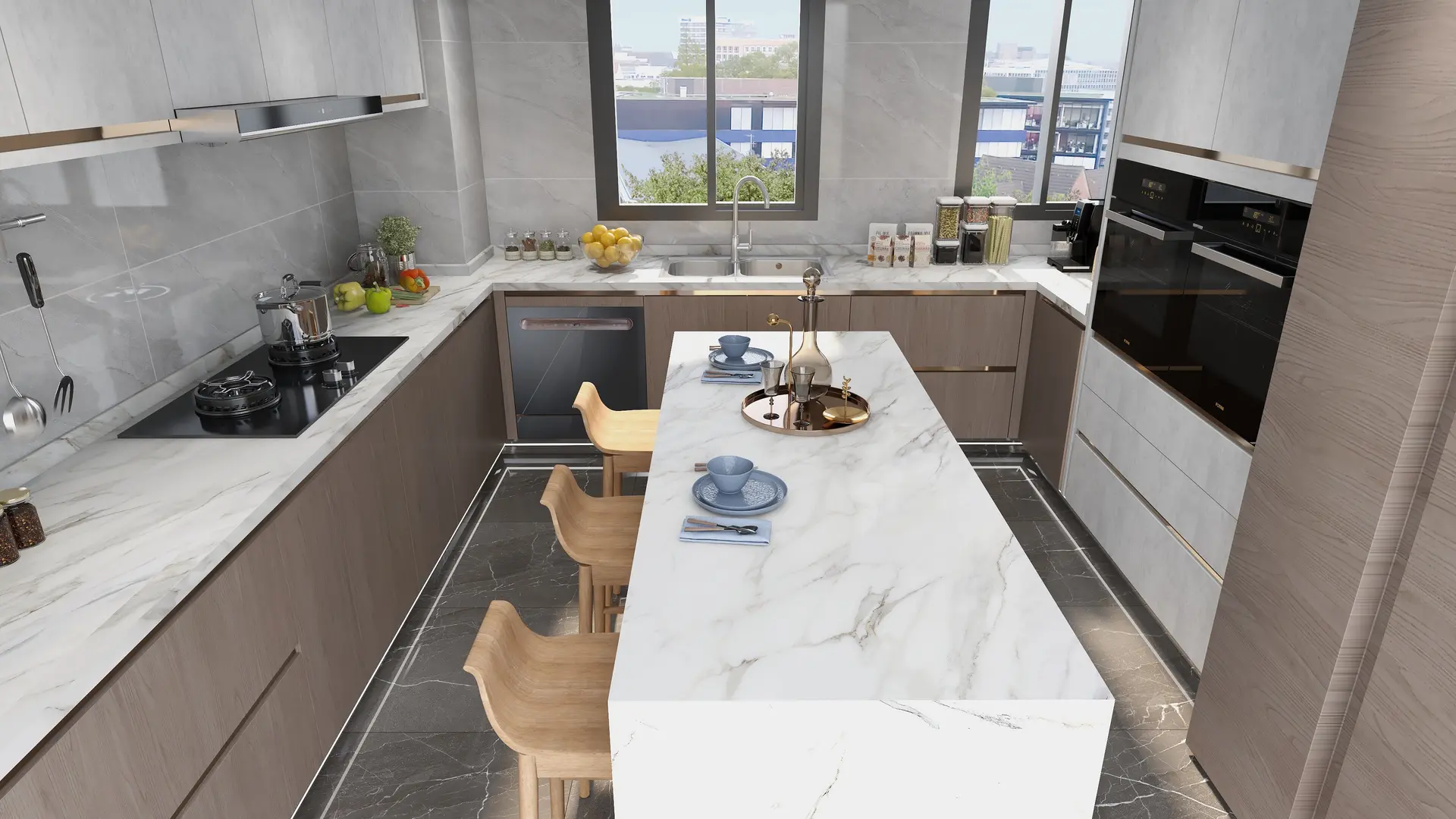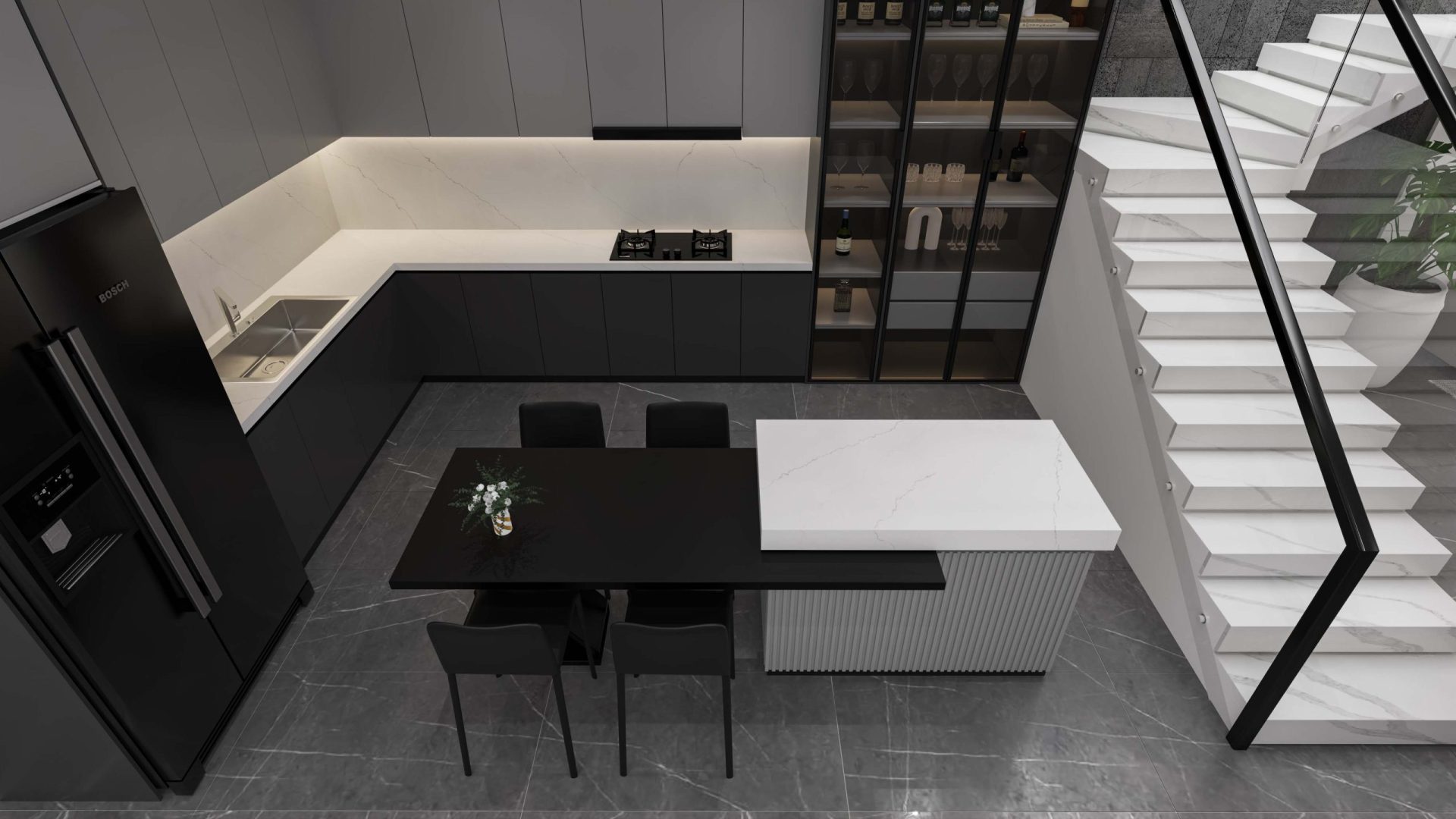
Commercial interiors must balance aesthetics, durability, maintenance, and budget. From hotel reception desks and office pantries to retail counters and restaurant bars, architects need surface materials that complement the design concept while meeting the practical demands of daily operations.
Quartz countertops for commercial projects are a popular choice because engineered quartz offers a wide range of colors and patterns, a non-porous surface, and relatively straightforward maintenance. Its consistent appearance also helps architects coordinate finishes across different areas of a commercial building. This guide explores why architects specify engineered quartz, where it can be used in commercial spaces, and what to evaluate when choosing a quartz supplier.
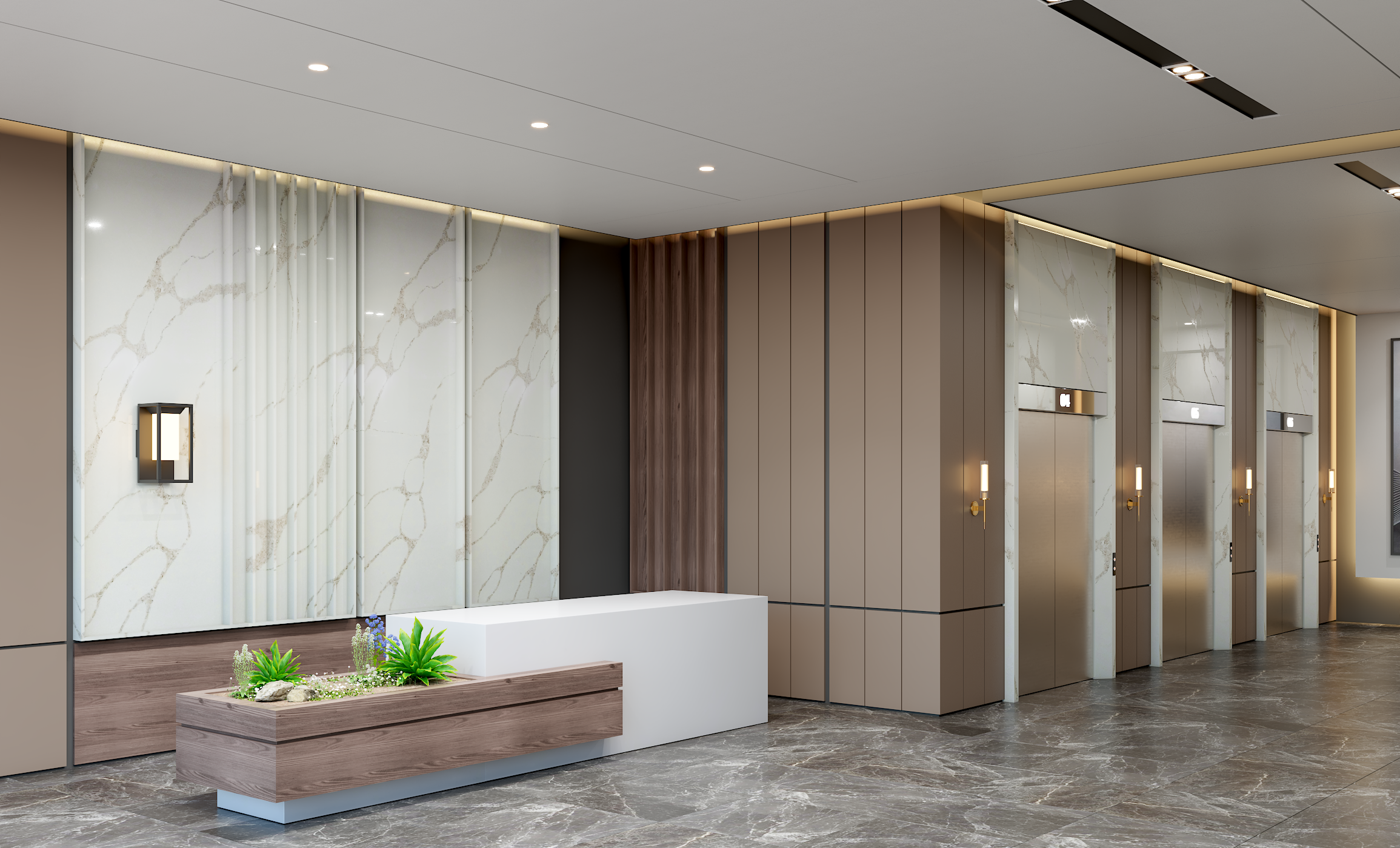
Why Architects Choose Quartz Countertops for Commercial Projects?
1. Durability for Everyday Commercial Use
Commercial countertops are exposed to frequent contact, spills, and regular cleaning. Engineered quartz generally offers good resistance to everyday scratches and stains, making it a practical option for surfaces that experience consistent use.
Its performance depends on the specific product, fabrication quality, installation, and maintenance. Quartz can chip or crack under significant impact, while excessive heat may damage the resin in the material. Using trivets and following the manufacturer’s care instructions can help preserve the surface. For architects, quartz provides a practical balance between durability and appearance in many indoor commercial environments.
2. Consistent Designs Across Commercial Spaces
Visual consistency is important in hotels, office buildings, retail stores, and other commercial interiors. Engineered quartz is manufactured to provide more controlled colors and patterns than many natural stone options, making it easier to coordinate surfaces throughout a project.
Architects can select from solid colors, subtle granular textures, and marble-inspired veining to complement different design concepts. Neutral tones work well in contemporary corporate interiors, while distinctive patterns can create focal points in hospitality and retail spaces. For large-scale projects, reviewing full slabs and confirming batch consistency with the supplier are essential steps before approving the final material selection.
3. Low Maintenance and Easy Cleaning
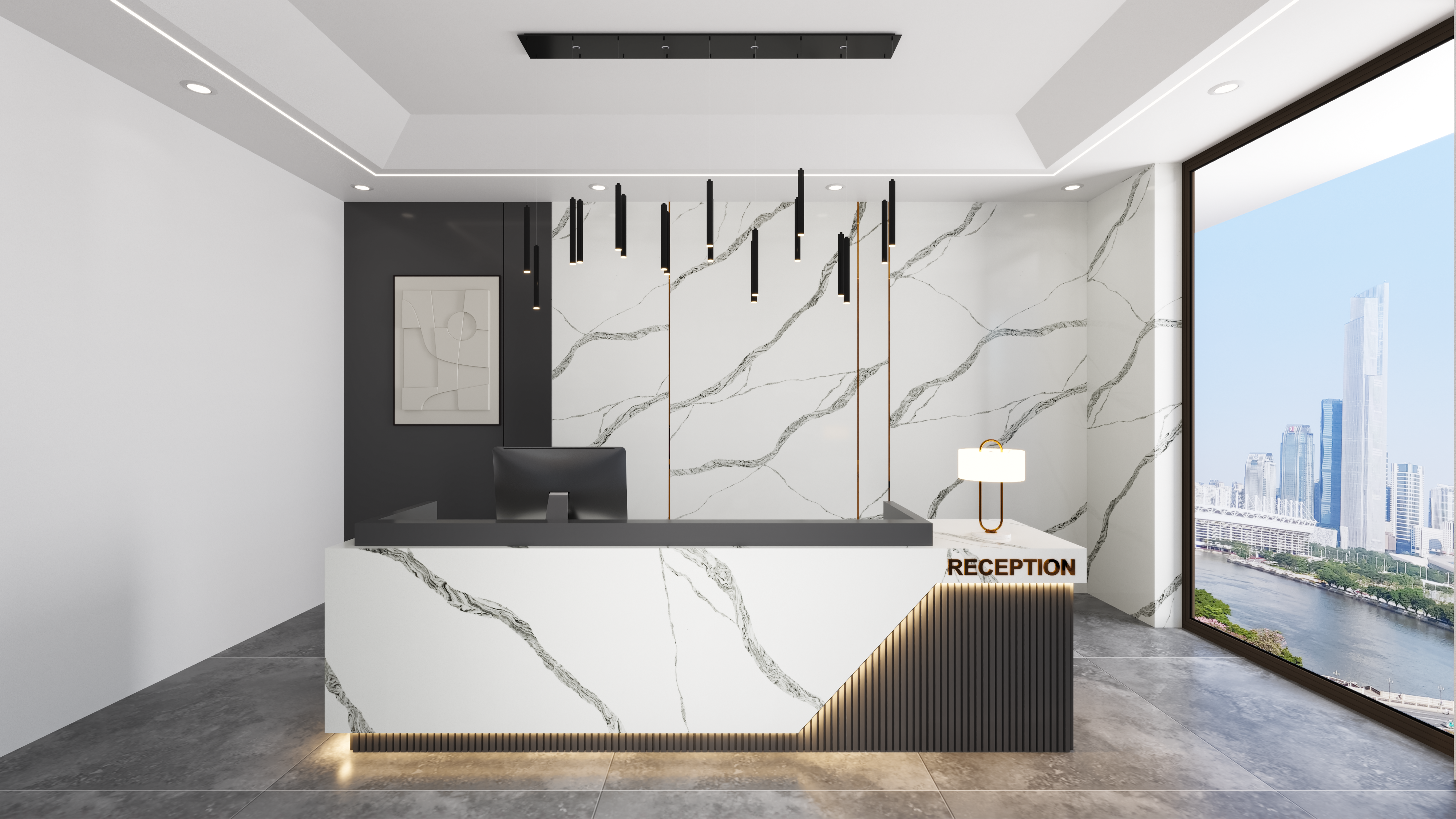
Commercial facilities need surfaces that can be cleaned efficiently and maintained with minimal disruption. Engineered quartz is non-porous and generally does not require periodic sealing, unlike many natural stone surfaces. Routine cleaning with a soft cloth, water, and a suitable mild cleaner is usually sufficient to maintain its appearance. This makes quartz a practical option for hotel vanities, office pantry countertops, and reception areas where cleanliness is a priority.
Nevertheless, quartz is not maintenance-free. Harsh chemicals, abrasive cleaning products, and prolonged exposure to unsuitable substances may damage the surface. Facility teams should follow the manufacturer’s recommended cleaning procedures.
4. Design Flexibility for Different Commercial Applications
Architects need materials that coordinate with furniture, lighting, flooring, and other interior finishes. Engineered quartz offers a broad selection of colors, patterns, and finishes, allowing designers to create anything from understated workspaces to visually distinctive hospitality interiors. For example, white or beige quartz can complement minimalist office interiors, while marble-look designs can add visual interest to hotel reception desks and restaurant bars.
Available slab dimensions and thicknesses also influence design possibilities, including countertop edges and overhangs. These details should be coordinated with the fabricator to ensure appropriate support, fabrication, and installation.
5. Practical Value Over the Project Lifecycle
The initial material price is only one part of a commercial project’s total cost. Architects and project managers should also consider fabrication, installation, cleaning requirements, material waste, replacement costs, and long-term maintenance.
Quartz can offer practical value when its appearance, performance, and maintenance requirements align with the intended application. However, the most cost-effective option depends on the project specifications, order quantity, fabrication complexity, and local installation costs. Comparing the total installed cost rather than the slab price alone provides a more reliable basis for material selection.
Common Applications of Quartz Countertops in Commercial Spaces
Engineered quartz is commonly considered for indoor commercial surfaces where design consistency, stain resistance, and manageable maintenance are important. Its suitability depends on the specific product and the technical requirements of each application.
1. Hotels and Hospitality
Quartz can be used for guest bathroom vanities, reception desks, bar counters, and selected restaurant service counters. Its range of designs helps architects maintain a coordinated appearance across guest-facing areas and shared facilities. For hospitality projects, material selection should account for cleaning frequency, expected usage, and the design standards of the property.
2. Office Buildings and Corporate Interiors
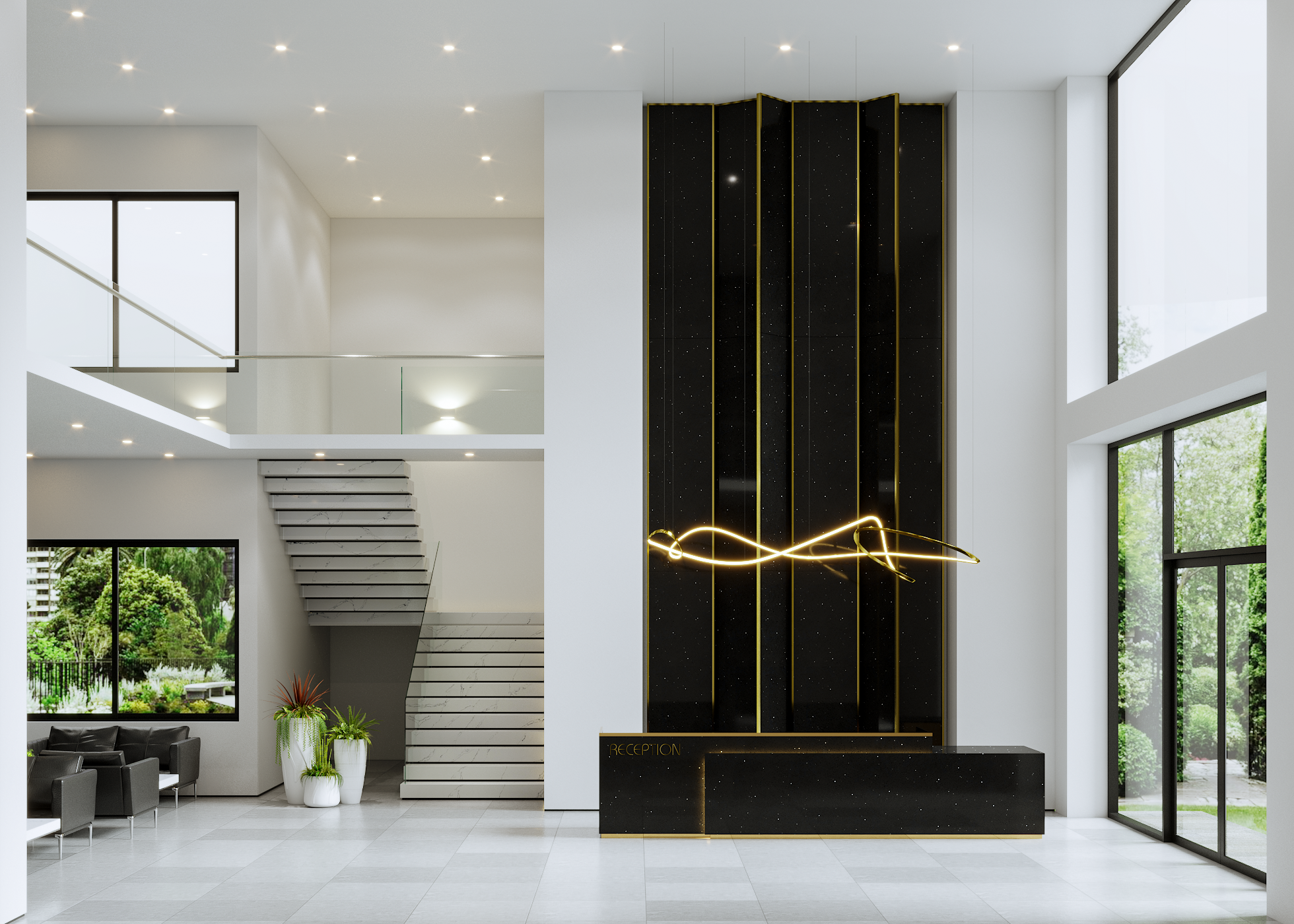
Reception counters, office pantry countertops, breakroom surfaces, and selected communal tables are potential applications for quartz. Neutral colors can create a clean, professional atmosphere, while more distinctive patterns can help define client-facing areas. Architects should also consider countertop dimensions, edge details, and resistance to the types of wear expected in each space.
3. Retail Stores and Showrooms
Checkout counters, product display counters, and customer service desks can benefit from quartz’s polished appearance and varied design options. The material can complement retail fixtures, brand colors, and lighting schemes while creating a consistent finish across different locations. For high-traffic areas, project teams should assess potential impact, edge damage, and cleaning requirements before specifying the surface.
4. Restaurants and Cafés
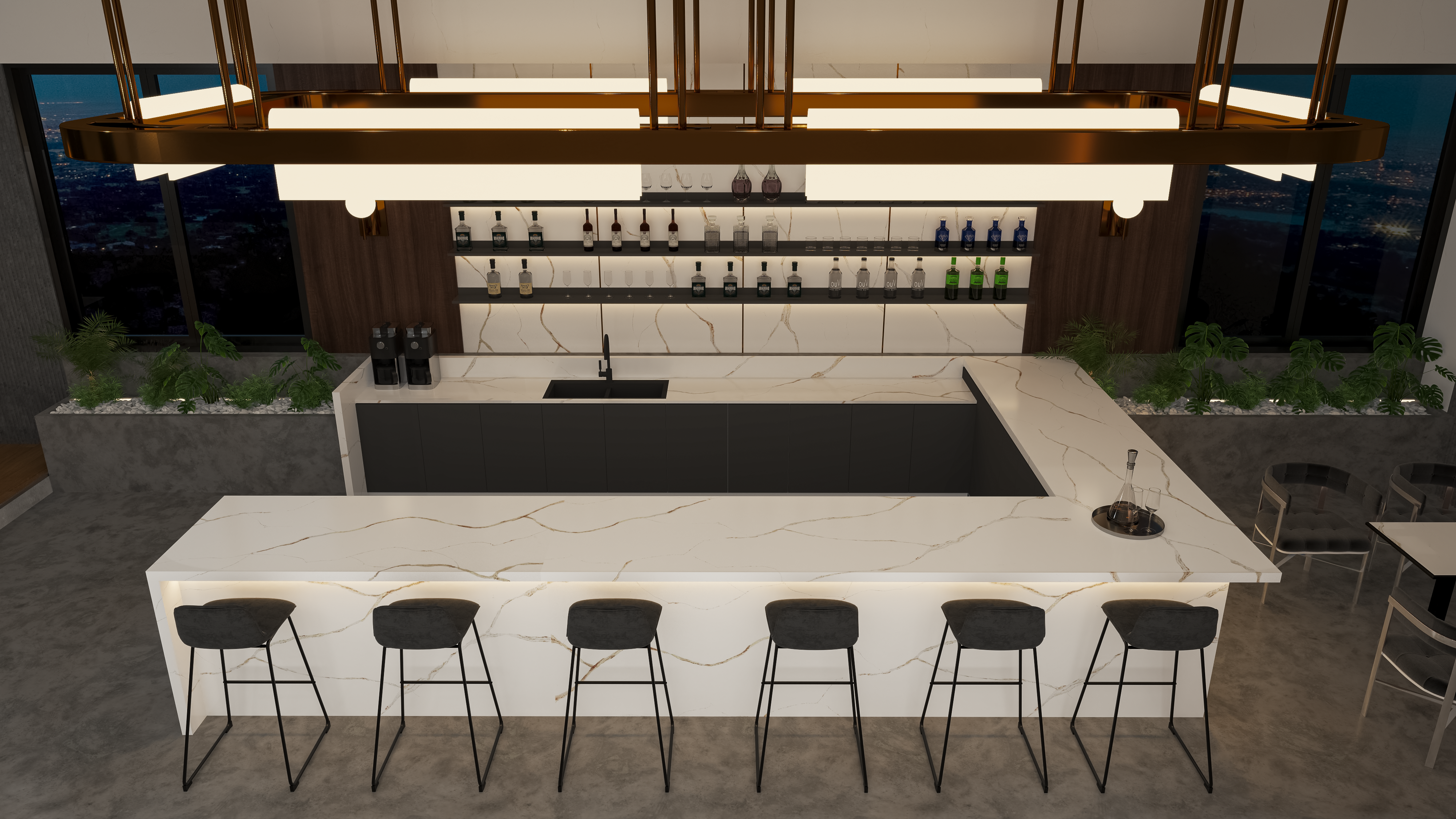
Quartz may be suitable for indoor bar tops, beverage stations, dining counters, and selected service areas, depending on the product and intended use. However, not every quartz surface is approved for direct food preparation or every commercial kitchen application. Buyers should verify applicable food-contact certifications, sanitation requirements, and manufacturer guidelines before specifying quartz for food-service environments. The material should also be protected from direct contact with hot cookware.
5. Healthcare and Medical Facilities
Reception counters, administrative worktops, and selected interior surfaces may be suitable applications for quartz in healthcare settings. Material selection requires particular attention to cleaning protocols, chemical compatibility, hygiene standards, and facility-specific requirements. Architects should verify that the selected product and its installation details meet the applicable specifications before proceeding.
6. Educational Institutions
Quartz can be considered for administrative reception desks, staff pantry countertops, and selected counters in common areas across schools, colleges, and universities. For these environments, architects should evaluate expected usage, impact exposure, maintenance procedures, and budget requirements. The selected material should support the facility’s operational needs without compromising the intended interior design.
How to Choose a Reliable Quartz Supplier for Commercial Projects
Choosing the right surface is only one part of a successful project. A reliable supplier should also provide clear product information, consistent quality, realistic lead times, and effective communication throughout the procurement process.
1. Review Product Quality and Technical Documentation
Request product specifications, slab dimensions, thickness options, finish details, care instructions, and relevant test reports or certifications. Confirm whether the product is suitable for the intended application and meets the project’s technical requirements. Depending on the facility, this may include specific standards for food contact, hygiene, or other performance criteria. Avoid relying solely on general marketing claims without supporting documentation.
2. Confirm Design and Batch Consistency
Color and pattern consistency can be especially important when a project requires multiple countertops or repeated installations across several floors or locations. Ask how the supplier manages quality control between production batches. Reviewing physical samples and full slabs can help architects assess the actual appearance before approving an order. For larger projects, establishing an approved reference sample and documenting the material specifications can reduce discrepancies during production and installation.
3. Evaluate Production Capacity and Delivery Planning
Commercial projects often operate on tight schedules, making material availability and delivery coordination essential. Discuss order quantities, production lead times, minimum order requirements, packaging, shipping arrangements, and the supplier’s ability to accommodate phased deliveries. For projects with multiple locations or scheduled construction stages, clarify how repeat orders will be managed and whether matching designs are likely to remain available.
4. Assess Customization and Project Support
Different projects may require specific slab formats, thicknesses, finishes, or customized material selections. A suitable supplier should explain the available options and their technical limitations clearly. Architects and contractors may also need samples, technical drawings, quality inspection records, or coordination with local fabricators. Confirm which services the supplier provides directly and which must be arranged through separate fabrication or installation partners.
5. Compare Total Cost and After-Sales Support
When comparing suppliers, ensure that quotations use consistent specifications, including slab dimensions, thickness, finish, order quantity, packaging, shipping terms, and additional services. It is also important to clarify how damaged materials, quality concerns, replacement orders, and warranty claims are handled. A competitive quotation is more valuable when supported by transparent terms, documented quality standards, and dependable communication throughout the project.
Explore Quartz Surfaces for Your Next Commercial Project
At Lux Quartz Vietnam, architects, contractors, and commercial project buyers can explore engineered quartz surfaces in a range of colors and patterns for different interior concepts. When evaluating materials for your next project, consider the intended application, technical specifications, order quantity, and delivery schedule to identify a suitable surface solution.
Planning a hotel, office, retail, or hospitality project? Contact Lux Quartz Vietnam to discuss your project requirements, explore available quartz designs, and find options that align with your specifications and design vision.
See more: