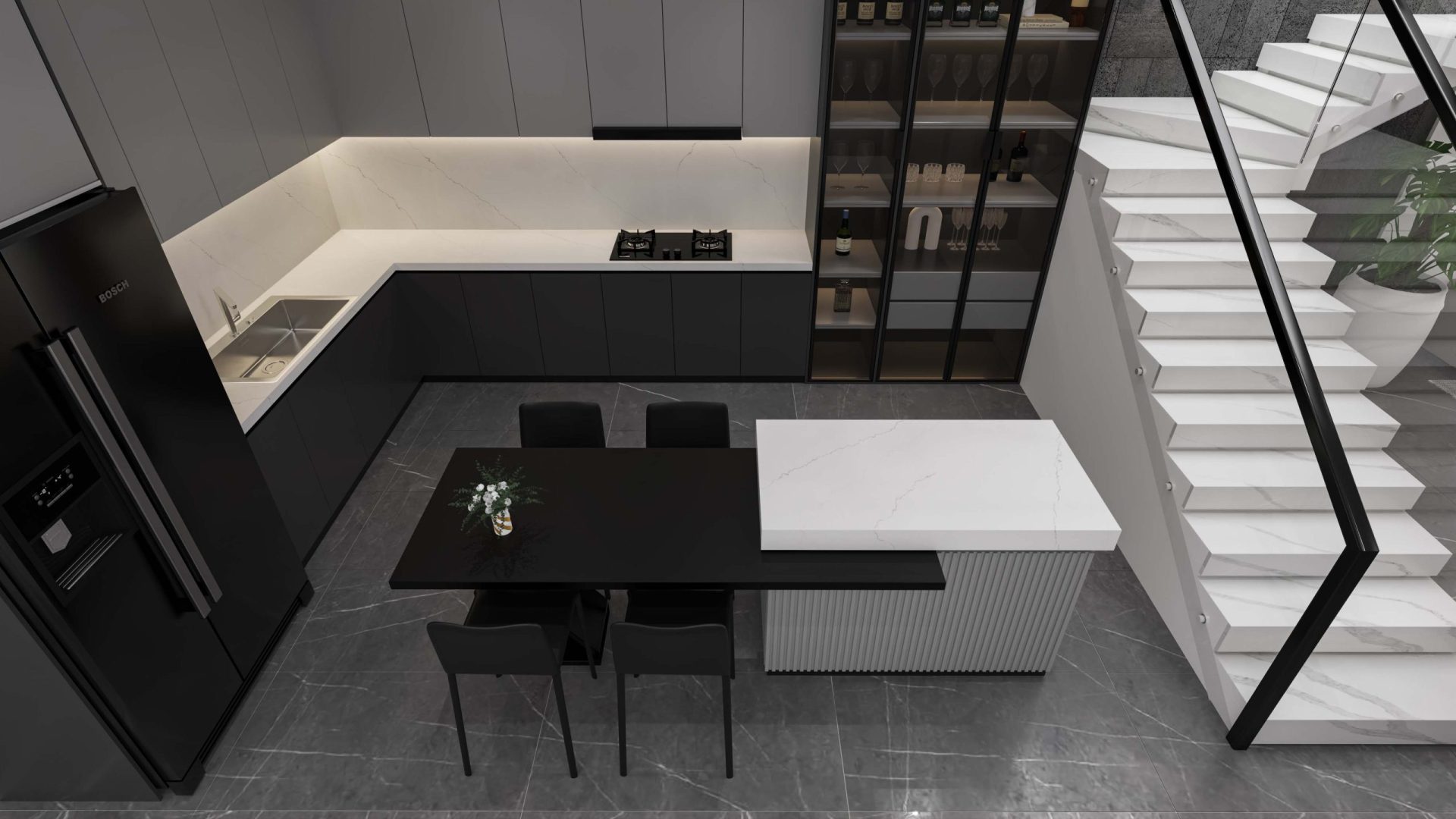

For quartz fabricators, distributors, and commercial project buyers, sourcing table tops involves more than selecting the right material. Accurate dimensions, efficient material usage, consistent surface quality, and reliable delivery all influence the final project cost and installation schedule.
Quartz table tops cut to size offer a project-specific approach by matching the dimensions and fabrication requirements of each component to an approved design. When supported by clear technical specifications and coordinated production planning, this approach can help streamline workshop operations, reduce unnecessary adjustments, and improve material management across residential and commercial projects.
For B2B buyers, understanding what to prepare before placing a quartz cut to size order is essential to achieving the expected balance between quality, cost, and production efficiency. In this guide, Lux Quartz Vietnam explores five ways cut-to-size quartz table tops can improve project efficiency, the key factors to confirm before ordering, and how to choose the right quartz supply partner for your business.
5 Ways Cut-to-Size Quartz Table Tops Improve Project Efficiency
1. Optimize Material Usage and Reduce Waste
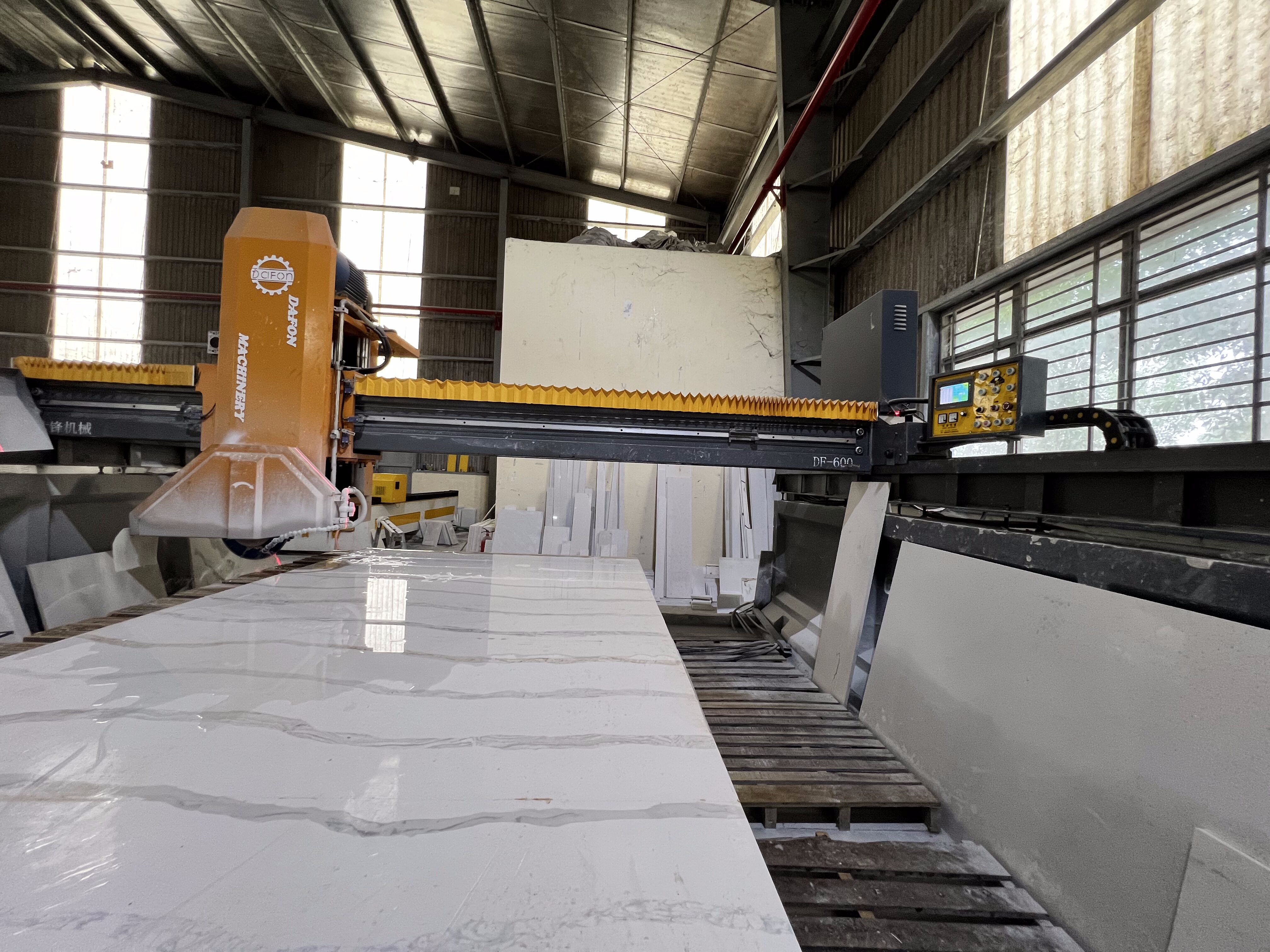
Material utilization is an important consideration when sourcing quartz for projects involving multiple table tops or repeated designs. Cutting components directly from full slabs requires careful planning to accommodate dimensions, slab formats, cutting allowances, and the direction of visible patterns.
With cut-to-size quartz table tops, production planning can be based on approved drawings and a detailed cutting list. This helps buyers and fabricators evaluate how individual pieces can be arranged across available slabs while accounting for fabrication requirements and potential offcuts.
For bulk orders, reviewing material yield before production can also improve cost forecasting. The actual savings will depend on the table design, slab dimensions, cutting layout, and finishing requirements, so a project-specific assessment is more reliable than assuming a fixed waste reduction.
2. Improve Dimensional Accuracy and Product Consistency
Dimensional discrepancies can lead to additional adjustments, installation delays, and unnecessary material costs. These risks become more significant in hospitality developments, residential projects, and commercial spaces requiring multiple table tops with matching specifications.
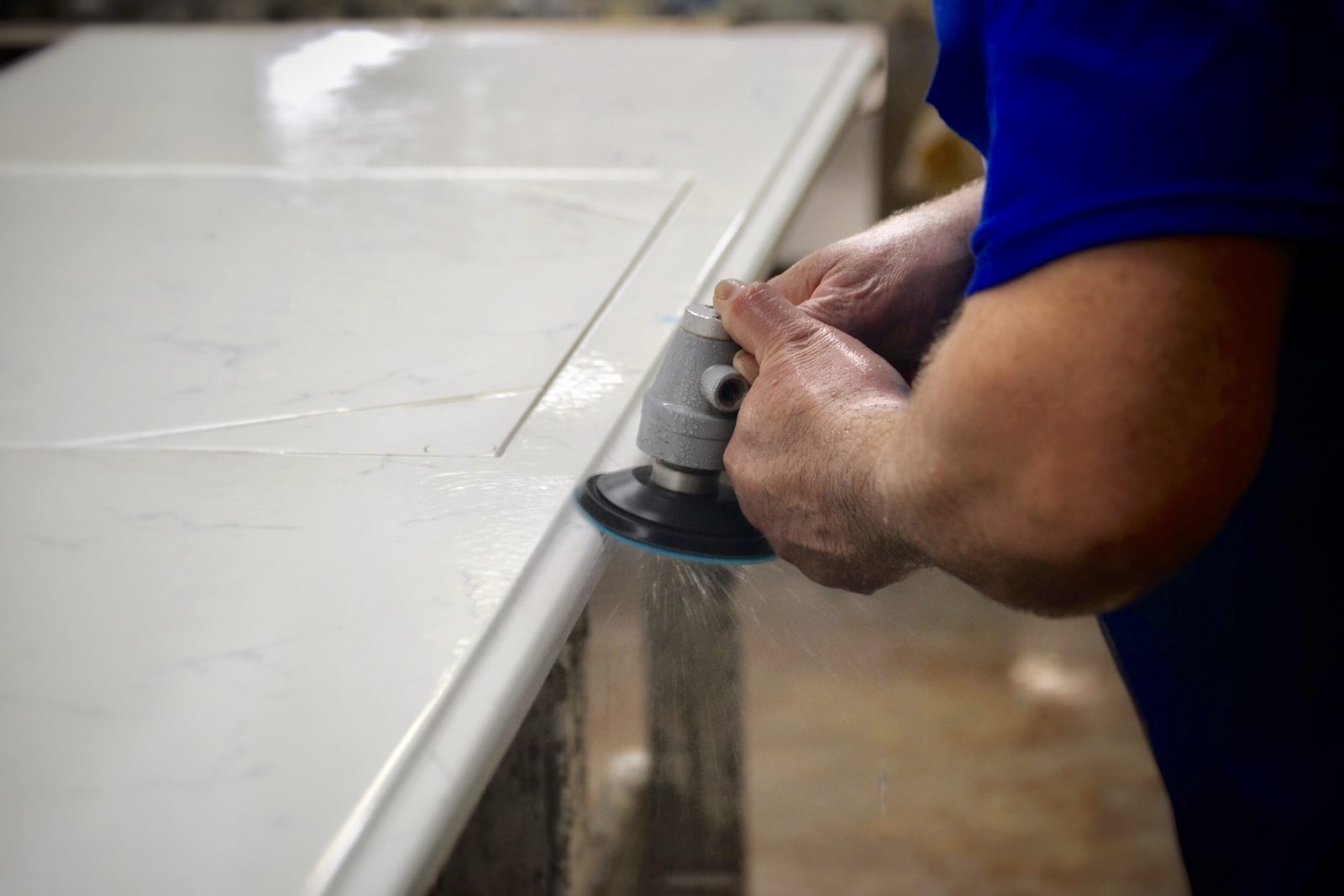
A well-defined quartz cut to size process begins with approved technical drawings that identify the finished dimensions, thickness, edge details, and any required cutouts. Confirming these details before fabrication helps align production with the project’s design requirements.
For orders involving repeated components, consistent specifications also make it easier to check individual pieces against the same reference. Buyers should agree on acceptable tolerances and inspection procedures with their supplier before production begins, particularly when the finished pieces must fit predetermined table bases or adjoining components.
3. Streamline Fabrication and Installation Planning
Preparing selected components before delivery can help reduce the amount of cutting and adjustment required at the installation site. Depending on the agreed scope of work, factory preparation may include sizing, edge finishing, or other specified fabrication operations.
For contractors and fabricators managing several units or project locations, a clear component schedule can simplify the coordination of production and installation. Each table top can be identified by its dimensions, quantity, project area, and relevant drawing reference.
However, factory preparation does not eliminate the need to verify site conditions. Table bases, support structures, and installation measurements should be checked before fabrication is released, especially when dimensions are customized for a specific interior layout.
4. Protect Surface Quality During Handling and Transportation
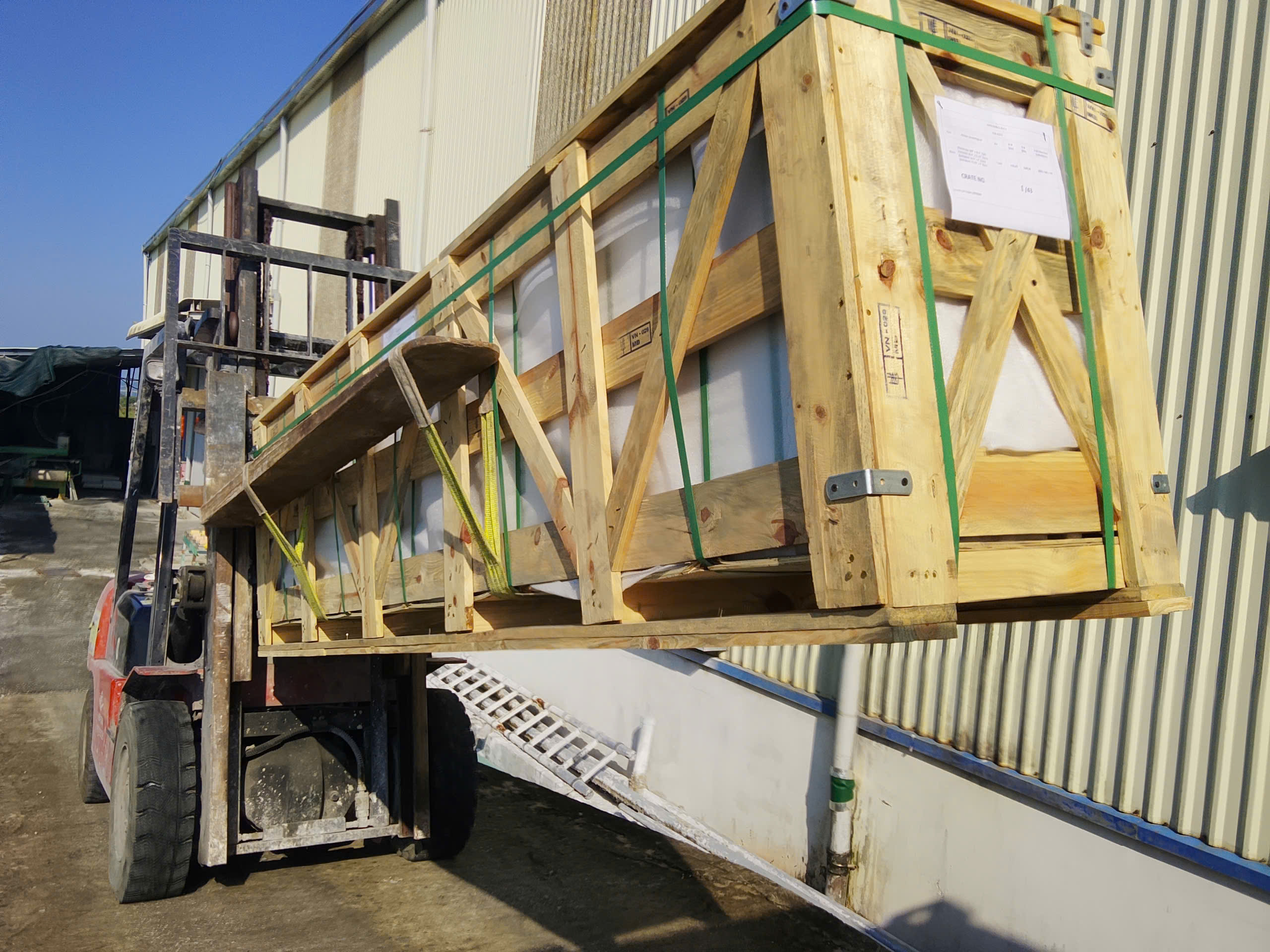
Quartz table tops must be handled carefully throughout fabrication, storage, loading, and transportation. Edges and corners are particularly vulnerable to impact, while inadequate support or unsuitable packing can increase the risk of damage during handling.
An effective cut-to-size quartz table tops supply plan should specify how each component will be protected and secured for shipment. Depending on the order, appropriate measures may include edge protection, suitable separators, stable support, clear package identification, and packing configurations designed for the transportation method.
Pre-shipment inspection is equally important. Checking the finished dimensions, visible surface condition, edge details, and package labels against the approved order helps identify discrepancies before the goods leave the factory.
For international B2B shipments, buyers should confirm packaging requirements and inspection responsibilities with their supplier in advance rather than relying on assumptions about standard packing practices.
5. Support Better Project Scheduling and Cost Control
Project delays can arise from incorrect specifications, late design changes, incomplete orders, or discrepancies discovered during installation. Although cut-to-size sourcing cannot eliminate every potential delay, a coordinated production process can help reduce avoidable complications.
Before confirming an quartz table tops cut to size order, buyers should align the approved drawings, product specifications, quantities, packaging requirements, and requested delivery schedule. Changes made after production approval should be documented so that the affected components and delivery arrangements can be reviewed.
A complete quotation should also clarify the scope of supply. Material, fabrication, finishing, packaging, transportation, and other project-specific requirements may affect the total cost differently depending on the supplier and delivery terms. Evaluating these factors together provides a more useful basis for comparing suppliers than considering the unit price alone.
What to Confirm Before Ordering Quartz Table Tops Cut to Size
Clear specifications are essential to achieving the intended result. Before requesting a quotation or approving production, B2B buyers should review the following details with their supplier.
1. Dimensions and Technical Drawings
Provide the latest approved drawings or a detailed cutting list showing the length, width, shape, quantities, and finished dimensions of each table top. Where necessary, include corner radii, cutouts, hole positions, and other design details.
Confirm the measurement units, acceptable tolerances, and drawing revision to be used for production. For project-based orders, identifying each component by a unique reference can also simplify inspection, packing, and installation.
2. Quartz Color, Pattern, and Thickness
Specify the selected quartz design, product code, surface finish, and required thickness. If appearance is critical, request a sample or reference image for approval before confirming the order.
Engineered quartz designs can differ in pattern distribution and visual characteristics. Buyers should discuss acceptable variation and any requirements for matching multiple pieces, particularly when several table tops will be installed within the same space. The required thickness should be compatible with the intended application, support structure, fabrication details, and relevant project specifications.
3. Edge Profiles and Fabrication Requirements
Edge treatments and additional processing can affect both the appearance and fabrication scope of a table top. Confirm whether the order requires a straight or shaped edge, polished edges, cutouts, drilled holes, or other custom details. Not every supplier offers the same fabrication capabilities. Buyers should verify which operations are available and whether they are included in the quotation before placing an order.
4. Quality Inspection and Acceptance Criteria
Agree on the quality checks that will apply to the finished components. Depending on the project, these may include dimensional measurements, thickness checks, surface appearance, edge finishing, cutout positions, and identification labels.
It is also useful to establish how discrepancies will be documented and handled. For larger orders, pre-shipment photographs or inspection records can provide additional visibility before dispatch. Clearly defined acceptance criteria help both parties evaluate the order against the same expectations.
5. Packaging, Delivery, and Lead Time
Confirm the packing method, protection requirements, shipment destination, delivery terms, and target schedule. If the order contains components for multiple rooms or installation phases, discuss whether they should be labeled and packed according to the planned installation sequence.
Lead times should account for drawing approval, material availability, production, inspection, packing, and transportation. Buyers should request a schedule based on the actual order specifications instead of relying on a general production estimate.
Choosing the Right Quartz Cut to Size Supply Partner for Your Project
Selecting a supplier for quartz table tops cut to size requires evaluating more than the quoted price. The right partner should understand the project’s technical requirements, communicate clearly, and provide a supply solution that aligns with the buyer’s operational needs.
1. Assess Manufacturing Capabilities and Product Range
Start by reviewing the supplier’s engineered quartz portfolio, available slab dimensions, thickness options, and ability to accommodate the required product specifications. A supplier with a suitable range of colors and patterns can help buyers coordinate product selection across different projects. For customized orders, confirm whether the supplier can support the required fabrication scope directly or whether additional processing will be handled by a separate fabricator.
2. Review Quality Control and Technical Coordination
Reliable project supply depends on clear communication between the buyer, supplier, and fabrication team. Evaluate how the supplier handles product specifications, sample approvals, drawing revisions, inspection procedures, and order documentation. For repeat orders, consistent product references and clearly recorded specifications can make replenishment easier and help reduce confusion between production batches.
3. Consider Customization and OEM/ODM Support
Importers and distributors may require specific product selections, private-label arrangements, or customized supply programs. OEM/ODM capabilities can be valuable when the supplier can accommodate the buyer’s requirements and agree on the relevant production specifications. Before committing to a program, clarify customization options, minimum order requirements, packaging arrangements, and the responsibilities of each party.
4. Evaluate Export Packaging and Delivery Coordination
For international projects, the supplier’s ability to coordinate packaging, shipment documentation, and delivery schedules is an important part of the sourcing decision. Ask how products are identified, how packaging requirements are confirmed, and which inspection records are available before dispatch. These details help buyers assess whether the proposed supply arrangement fits their logistics process.
5. Compare Total Project Value, Not Just Unit Price
A lower quotation does not necessarily translate into lower overall project costs. Buyers should consider material utilization, fabrication scope, packaging, transportation, potential rework, and the level of technical coordination required. Comparing quotations against the same specifications makes it easier to identify differences in scope and understand the actual value offered by each supplier.
Partner with Lux Quartz Vietnam for Your Next Project
Lux Quartz Vietnam manufactures engineered quartz slabs and quartz cut to size solutions for international markets, offering a diverse range of colors, patterns, and specifications for residential and commercial applications. With Standard, Jumbo, and Super Jumbo slab formats, thickness options from 15 mm to 30 mm depending on product specifications, and OEM/ODM capabilities, Lux Quartz supports importers, distributors, fabricators, and project buyers in sourcing quartz materials for their business needs.
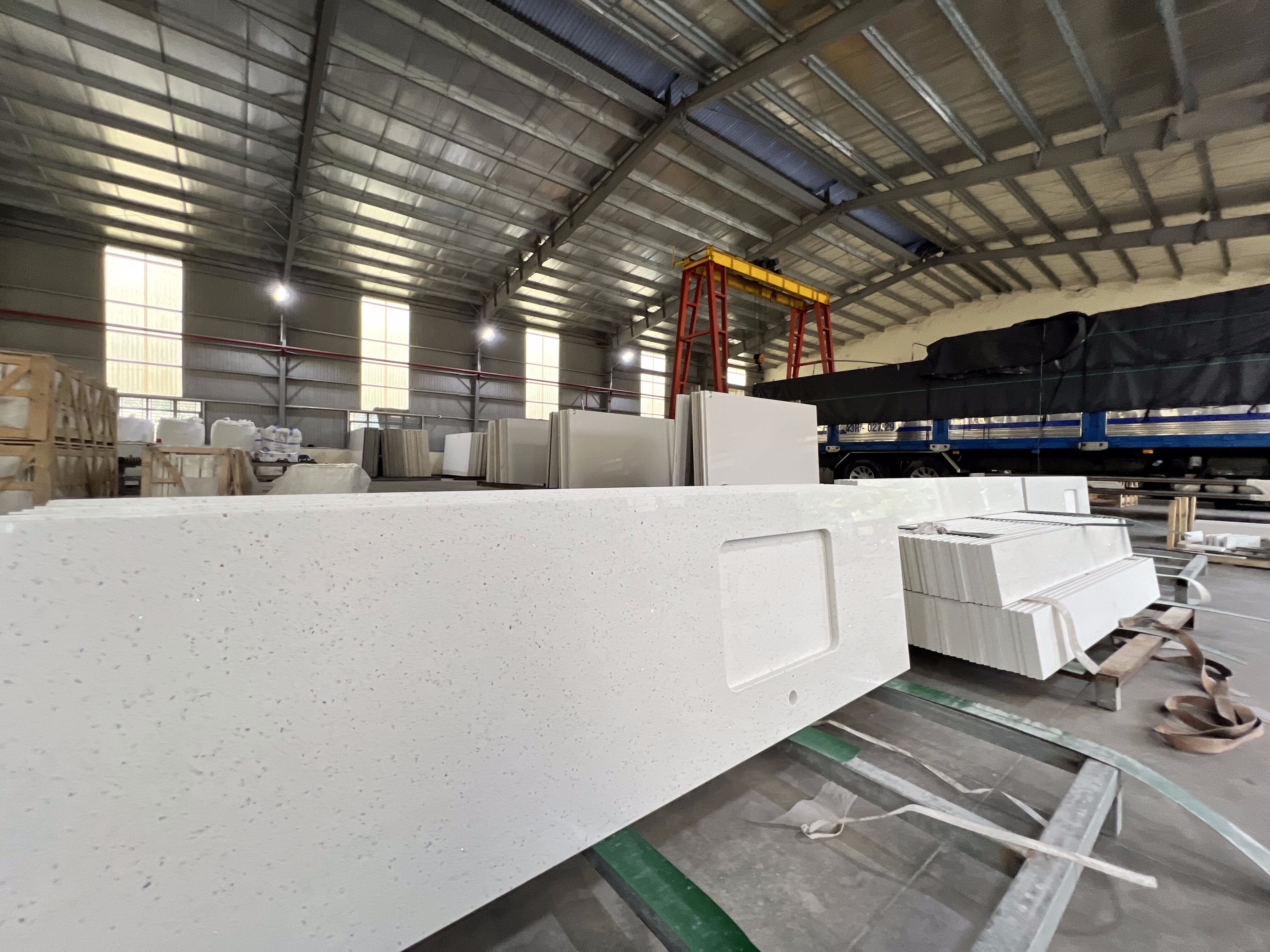
Whether you are sourcing quartz for countertop fabrication, furniture surfaces, or large-scale commercial projects, selecting the right materials and establishing clear specifications are essential to an efficient workflow. Lux Quartz Vietnam works with B2B customers to explore suitable product options based on their design preferences, technical requirements, and order quantities.
Planning your next quartz project? Contact Lux Quartz Vietnam to discuss your requirements, explore available designs, and request a quotation for your business.
See more: