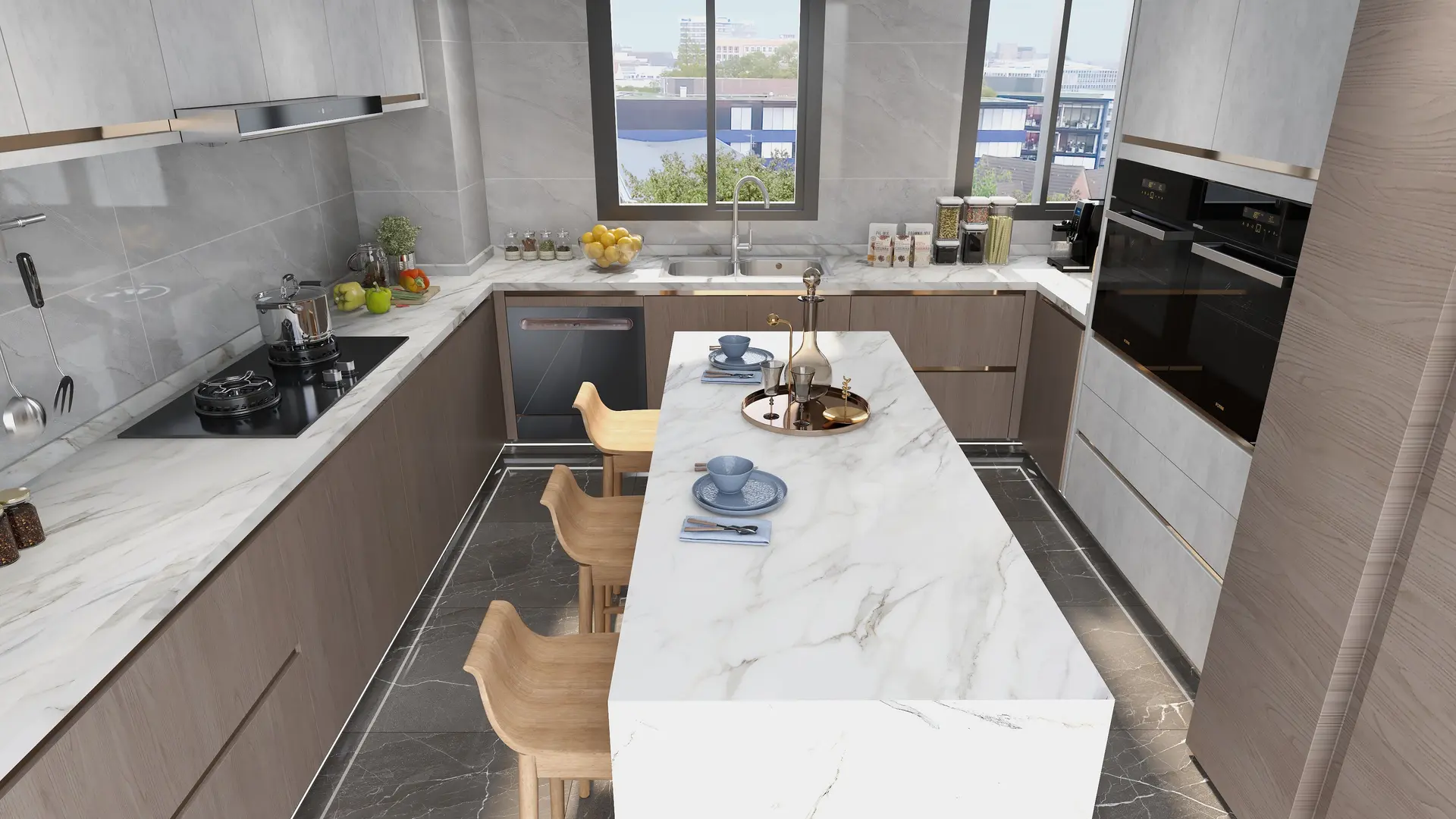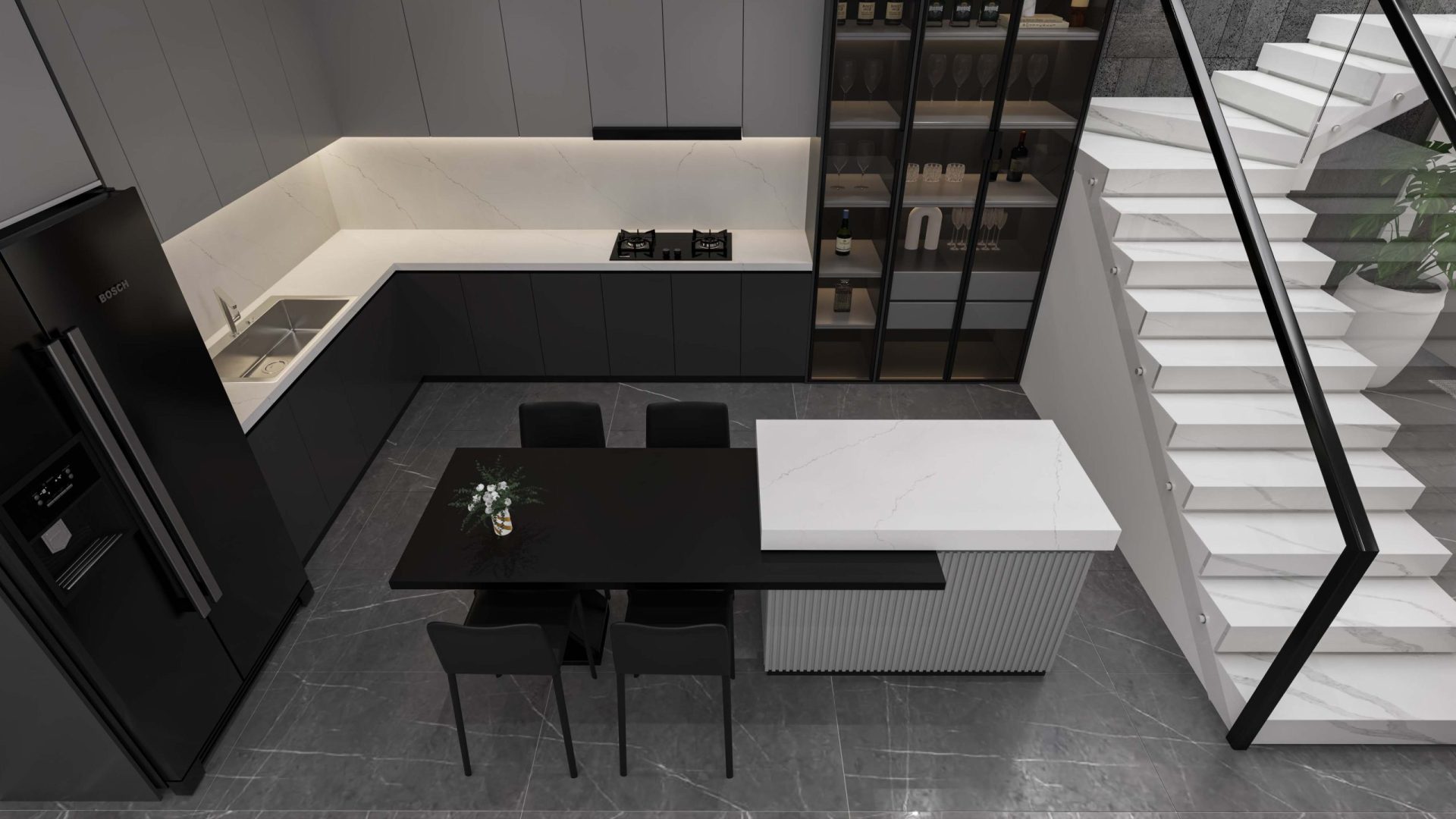
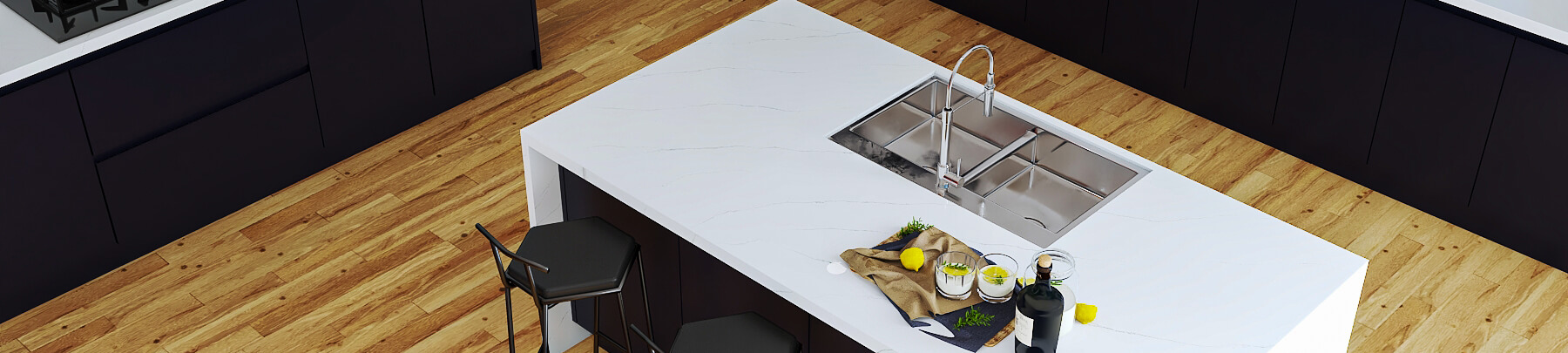
Choosing the right countertop is one of the most important decisions in any kitchen or bathroom renovation. Beyond enhancing the overall look of your space, countertops are expected to withstand years of daily use, from meal preparation and entertaining to everyday wear and tear. That’s why selecting the right material, color, and design requires careful consideration rather than an impulse decision.
However, many homeowners unknowingly make common mistakes during the selection process. Focusing solely on appearance, overlooking maintenance requirements, or choosing the cheapest option can lead to unnecessary expenses and disappointment in the long run. By understanding these pitfalls and knowing how to avoid them, you can invest in a countertop that not only complements your home but also delivers lasting beauty, durability, and value. In this guide, we’ll explore the 10 most common countertop mistakes homeowners make and share practical tips to help you make a confident, well-informed decision.
- 10 Common Countertop Mistakes Homeowners Make and How to Avoid Them
- 1. Chasing the Cheapest Quote
- 2. Prioritizing Appearance Over Practicality
- 3. Not Viewing the Full Slab Before Making a Decision
- 4. Ignoring Maintenance Requirements
- 5. Assuming All Countertops Are Heat- and Scratch-Resistant
- 6. Overlooking Professional Installation
- 7. Overlooking the Importance of Countertop Thickness and Edge Profile
- 8. Choosing Countertop Colors Without Considering Lighting and Surrounding Elements
- 9. Forgetting About Budget Planning
- 10. Not Factoring in Resale Value
- Why Homeowners Choose Lux Quartz Vietnam
- Frequently Asked Questions About Countertop Mistakes
10 Common Countertop Mistakes Homeowners Make and How to Avoid Them
1. Chasing the Cheapest Quote
Price is often one of the first factors homeowners consider when choosing a countertop, but it shouldn’t be the only one. A significantly lower quote can sometimes indicate compromises in material quality, fabrication standards, or service. In some cases, the initial price may not include additional costs such as sink cutouts, edge profiles, backsplashes, delivery, or installation, making the “cheapest” option more expensive than expected.
Beyond cost, lower-quality countertops may be more prone to discoloration, inconsistent patterns, or reduced durability over time. Since a countertop is a long-term investment that’s expected to last for many years, choosing solely based on price can result in higher maintenance costs or premature replacement.
How to avoid it: Instead of comparing prices alone, evaluate the overall value of each option. Ask what’s included in the quotation, compare material specifications, warranty coverage, and installation services, and choose a countertop that offers the best balance between quality, durability, and budget.
2. Prioritizing Appearance Over Practicality
A countertop plays a major role in defining the look of a kitchen, so it’s easy to fall in love with a stunning design. However, selecting a surface based solely on its appearance without considering how it will perform in everyday life can lead to disappointment. Some materials require frequent sealing, while others are more susceptible to stains, scratches, or etching from acidic foods.
Think about how your kitchen is actually used. A family that cooks every day will have different needs from someone who mainly uses the kitchen for entertaining. Choosing a countertop that complements both your lifestyle and your design preferences will provide greater satisfaction in the long run.
How to avoid it: Look beyond color and pattern. Consider durability, stain resistance, maintenance requirements, and ease of cleaning alongside aesthetics. Quartz countertops are a popular choice because they offer elegant designs while remaining highly practical for everyday use.
3. Not Viewing the Full Slab Before Making a Decision
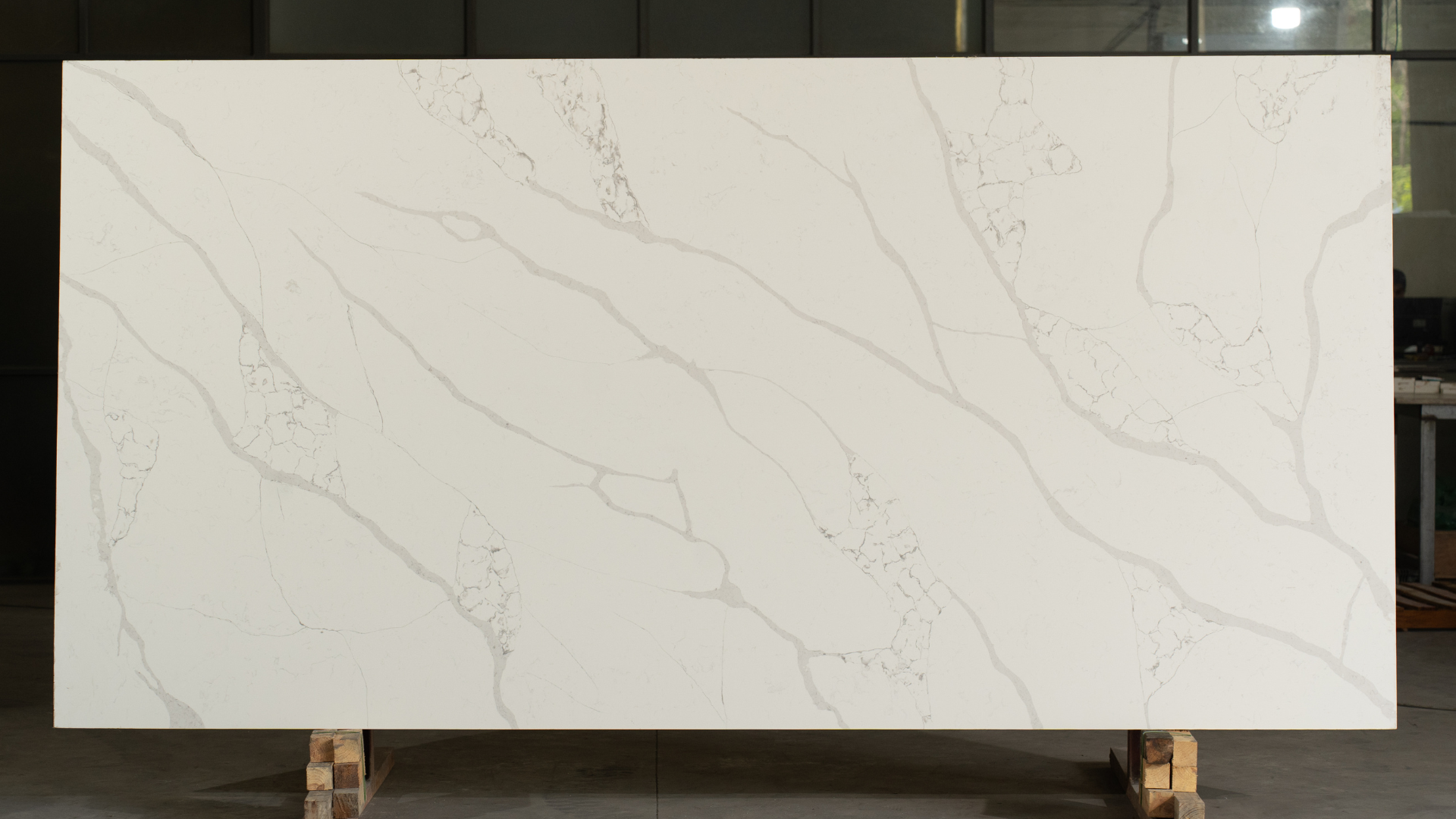
Small countertop samples are useful for understanding the base color and finish, but they rarely capture the overall character of a full slab. This is especially true for marble-look quartz, where large, flowing veins and unique patterns create the final visual impact. Choosing based on a small sample alone may result in unexpected vein placement once the countertop is fabricated.
Viewing the complete slab also allows homeowners to understand color consistency and visualize how the pattern will appear across kitchen islands, waterfalls, or backsplashes. Taking this extra step helps eliminate surprises during installation.
How to avoid it: Whenever possible, inspect the full slab before placing your order. If visiting in person isn’t feasible, request high-quality slab images from your supplier and discuss how the pattern will be positioned during fabrication.
4. Ignoring Maintenance Requirements
Every countertop material comes with its own maintenance needs, yet many homeowners overlook this factor during the selection process. While some natural stones offer timeless beauty, they often require periodic sealing to protect against stains and moisture. Others may be more susceptible to etching from acidic foods or discoloration if spills aren’t cleaned promptly. Choosing a material without understanding its upkeep can lead to unexpected maintenance costs and extra effort over time.
For busy households, maintenance is just as important as appearance. A countertop that looks stunning on the day it’s installed may become frustrating if it demands frequent care to maintain its original condition. That’s why it’s essential to think beyond the showroom and consider how much time you’re realistically willing to spend maintaining your surfaces.
How to avoid it: Before making your decision, learn about the care requirements of each countertop material. If you prefer a surface that’s easy to clean and doesn’t require regular sealing, engineered quartz is an excellent choice. Its non-porous surface resists everyday stains and can typically be maintained with nothing more than mild soap, water, and a soft cloth.

5. Assuming All Countertops Are Heat- and Scratch-Resistant
One of the biggest misconceptions among homeowners is that all stone countertops can withstand anything a busy kitchen throws at them. While materials like quartz, granite, and porcelain are known for their durability, no countertop is completely immune to heat, scratches, or impact damage. Placing a hot pan directly on the surface, cutting food without a chopping board, or dropping heavy cookware can still affect the countertop’s appearance or performance over time.
Understanding the strengths and limitations of your chosen material helps you set realistic expectations and extend its lifespan. Proper daily care not only protects your investment but also preserves the countertop’s beauty for many years.
How to avoid it: Always use trivets or heat pads for hot cookware, and use cutting boards instead of preparing food directly on the countertop. Following the manufacturer’s care recommendations and adopting a few simple habits can significantly reduce the risk of accidental damage while keeping your countertop looking like new.
6. Overlooking Professional Installation
Even the highest-quality countertop can fall short of expectations if it isn’t installed correctly. Precise measurements, accurate fabrication, and skilled installation are essential for achieving a flawless finish and ensuring long-term durability. Poor workmanship can result in uneven surfaces, visible gaps, chipped edges, inadequate support, or countertops that don’t align properly with cabinets and appliances.
Another detail that’s often overlooked is seam placement. While seams are sometimes unavoidable, especially for large kitchen islands or L-shaped countertops, their location should be carefully planned to minimize visibility and preserve the natural flow of the slab’s pattern. Poorly positioned seams can disrupt the countertop’s appearance, make veining look inconsistent, and even become more noticeable over time.
How to avoid it: Work with experienced countertop professionals who follow industry best practices for templating, fabrication, and installation. Before fabrication begins, ask where seams will be placed, how visible they will be, and whether the slab layout has been optimized for the best visual result. A well-installed countertop with thoughtfully planned seams will not only look more seamless but also provide lasting performance for years to come.
7. Overlooking the Importance of Countertop Thickness and Edge Profile
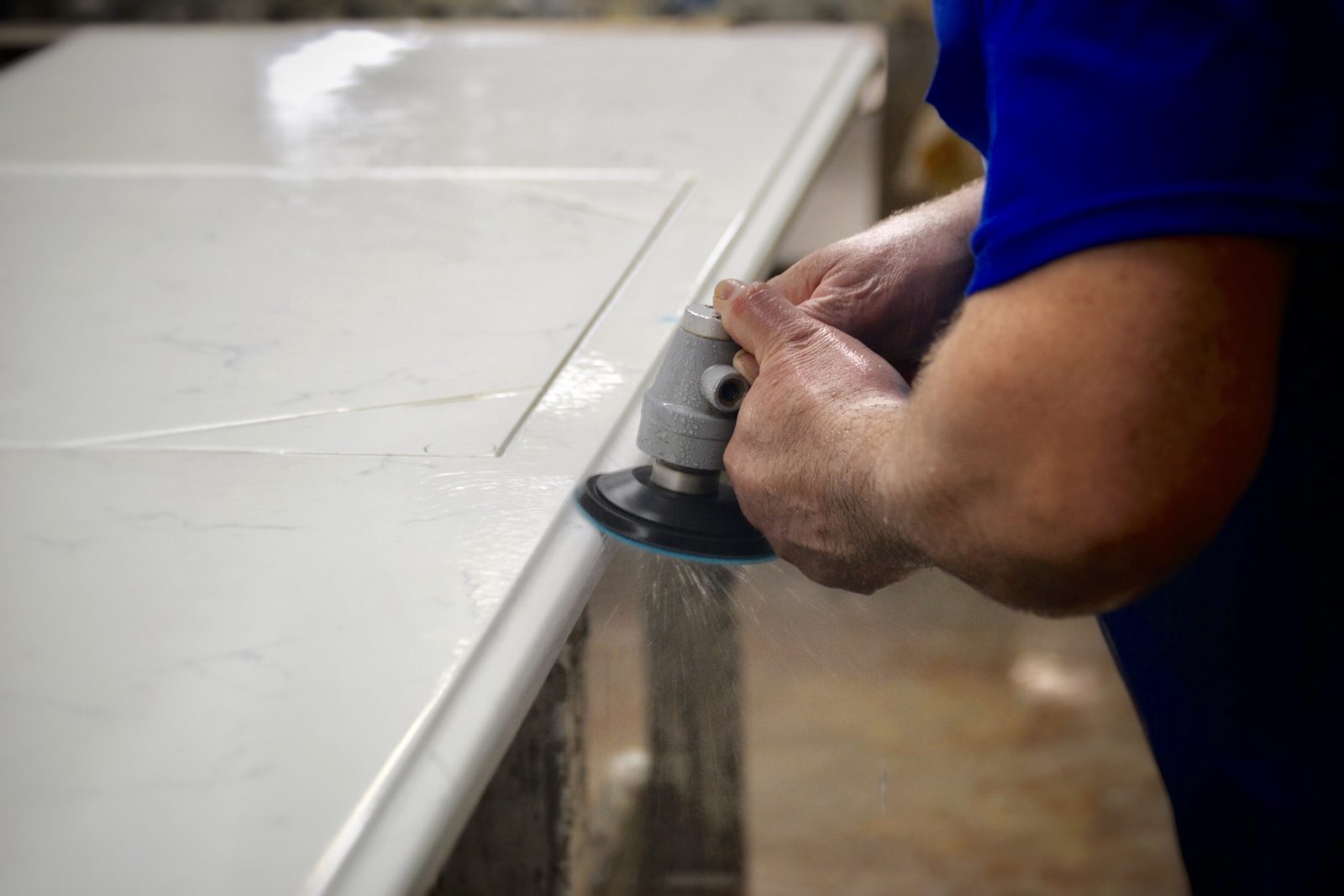
When selecting a countertop, many homeowners focus primarily on color and material while overlooking details like slab thickness and edge profile. However, these design elements can significantly influence both the appearance and functionality of the finished space. A thicker countertop often creates a more luxurious, premium look, while the edge profile helps define the overall design style, whether modern, transitional, or traditional.
Thickness also affects practicality. Depending on your cabinetry and kitchen design, choosing the wrong thickness may impact visual balance or require additional structural support. Likewise, ornate edge profiles may look attractive in a showroom but can appear dated over time or make cleaning more difficult. Simpler edge profiles, on the other hand, tend to offer a timeless appearance that complements a wide range of interior styles.
How to avoid it: Consider your kitchen’s overall design before choosing countertop thickness and edge profile. Discuss available options with your supplier and view full-size examples whenever possible. For many contemporary homes, a 2 cm or 3 cm quartz slab paired with a simple eased or pencil edge provides an elegant, versatile look that remains stylish for years.
8. Choosing Countertop Colors Without Considering Lighting and Surrounding Elements
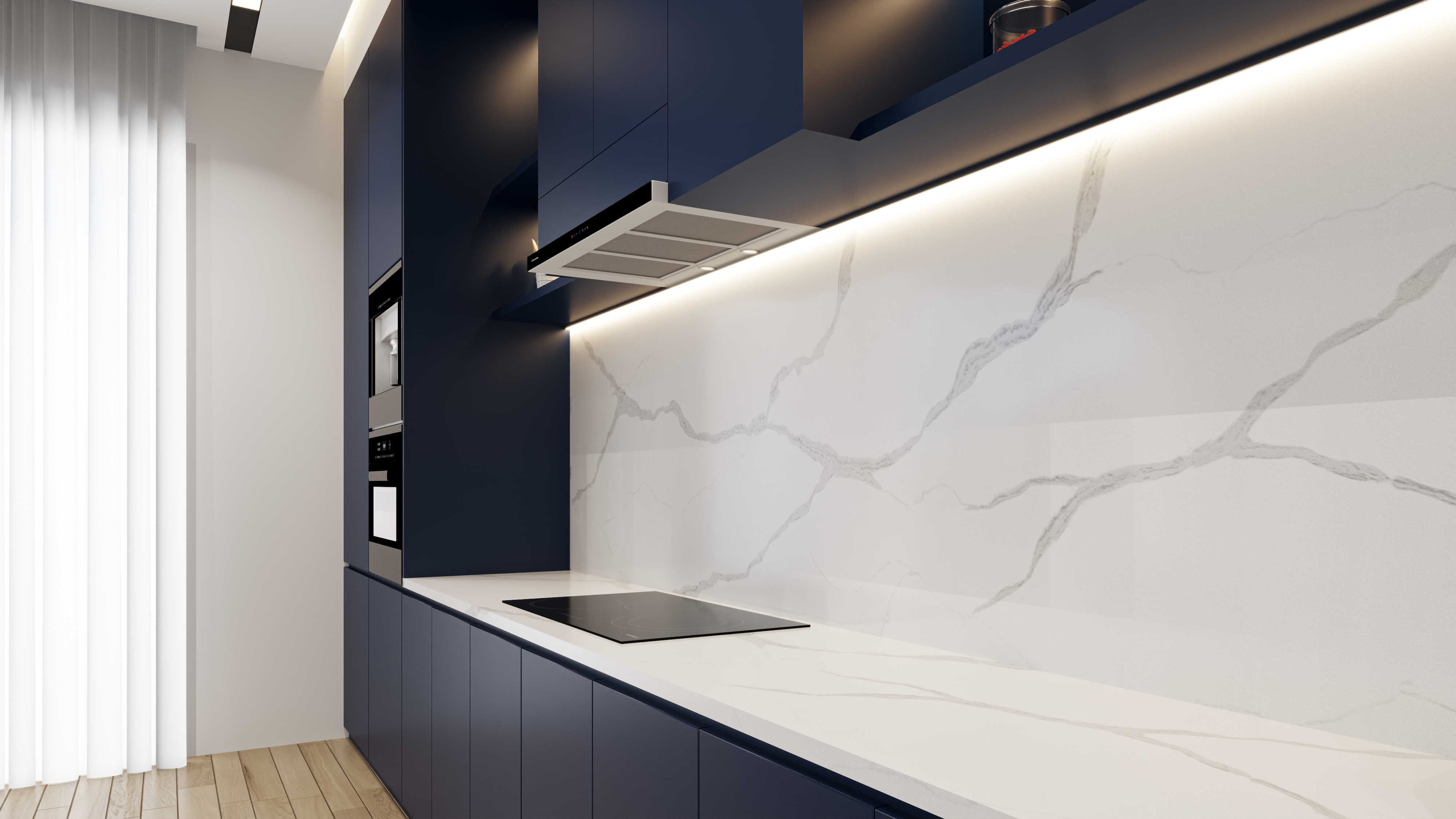
A countertop may look completely different in your home than it does in a showroom. Natural daylight, warm indoor lighting, and even the direction your kitchen faces can all affect how colors and veining appear. A quartz slab that looks bright white under showroom lights may appear warmer or cooler once installed, while bold veining can become more or less prominent depending on the lighting conditions.
It’s also important to think about how your countertop works with surrounding elements such as cabinetry, flooring, backsplash, and wall colors. Choosing each component separately can result in a space that feels visually disconnected rather than cohesive.
How to avoid it: View countertop samples under lighting conditions similar to your home whenever possible. Bring cabinet doors, flooring samples, or paint swatches when selecting a slab to ensure everything works together harmoniously. Neutral tones and timeless marble-look quartz designs are often excellent choices because they complement a wide variety of kitchen styles and color palettes.
9. Forgetting About Budget Planning
Setting a realistic budget is about more than deciding how much you’re willing to spend on the countertop itself. Many homeowners focus on the slab price without considering how the countertop fits into the overall kitchen renovation budget. As a result, they may end up compromising on other important elements, delaying parts of the project, or exceeding their financial limits.
It’s also important to prioritize value over unnecessary upgrades. Premium edge profiles, oversized waterfall islands, or intricate fabrication details can quickly increase costs without significantly improving everyday functionality. Planning your budget in advance allows you to allocate your investment where it matters most and avoid last-minute financial stress.
How to avoid it: Establish your countertop budget as part of your overall kitchen renovation plan rather than treating it as a separate purchase. Decide which features are essential, which are optional, and leave some flexibility for unexpected expenses. A well-planned budget helps you achieve the right balance between aesthetics, performance, and long-term value without overspending.
10. Not Factoring in Resale Value
While your countertop should reflect your personal style, it’s also worth considering how your choices may affect your home’s future value. Extremely bold colors, highly customized patterns, or niche design trends may suit your preferences today but could make it more difficult to appeal to potential buyers if you decide to sell your home later. Since countertops are among the most noticeable features in a kitchen, they often play an important role in shaping buyers’ first impressions.
Timeless materials and versatile designs generally offer broader appeal and remain stylish for many years. Neutral colors, elegant marble-look surfaces, and durable materials are often preferred because they complement a wide range of cabinetry, flooring, and interior styles. Even if selling your home isn’t part of your immediate plan, choosing a countertop with lasting appeal is a smart long-term investment.
How to avoid it: If resale value is an important consideration, choose countertop materials and colors that balance personal preference with timeless design. Neutral tones and high-quality quartz surfaces are excellent options thanks to their durability, low maintenance, and ability to complement virtually any kitchen style.
Why Homeowners Choose Lux Quartz Vietnam
Choosing the right countertop isn’t just about avoiding common mistakes—it’s also about selecting a product that delivers lasting quality, reliable performance, and timeless design. At Lux Quartz Vietnam, we combine advanced manufacturing technology with carefully selected raw materials to produce premium engineered quartz surfaces that meet the needs of modern homeowners.
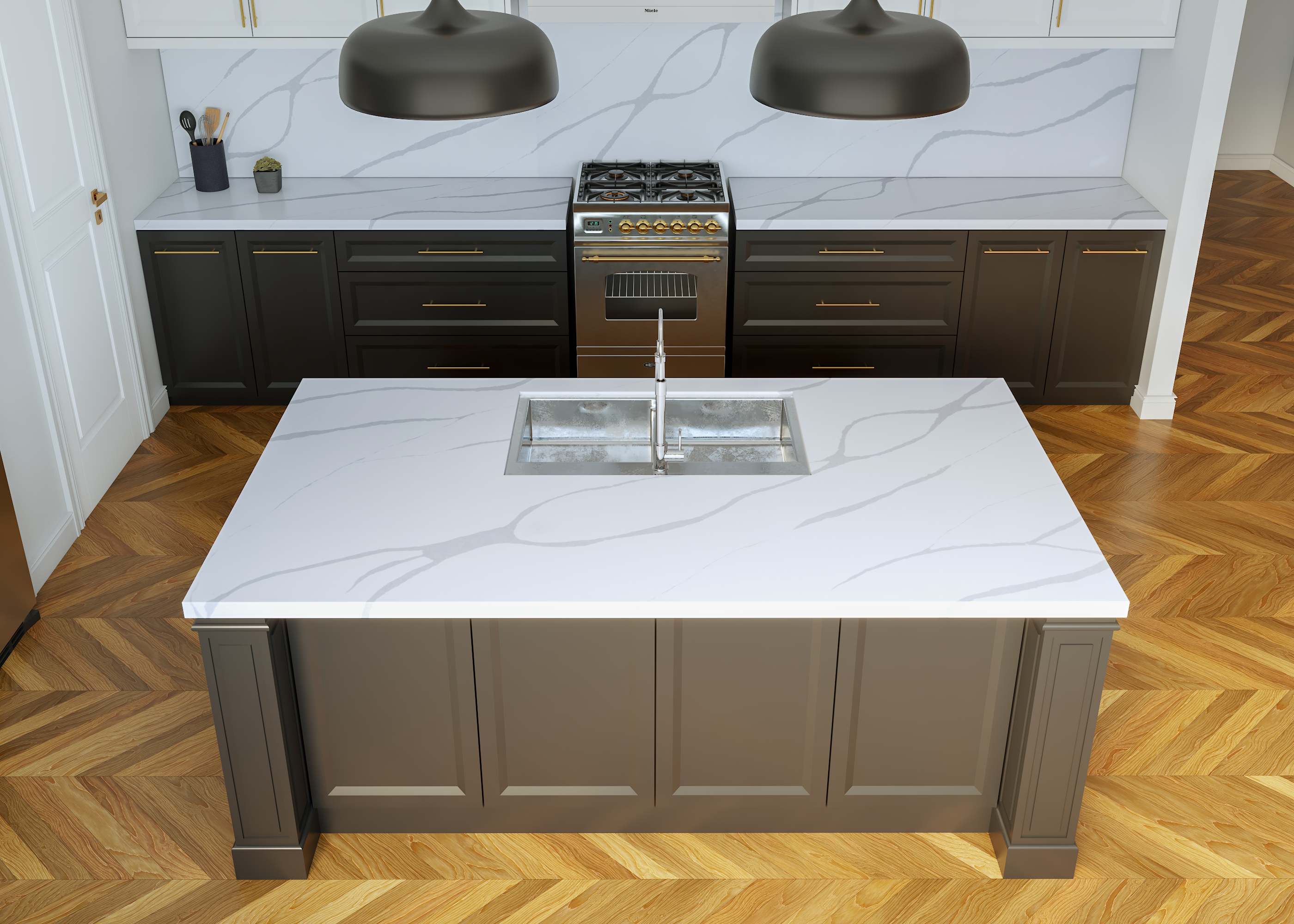
Our quartz countertops are designed to offer the perfect balance of beauty and practicality. With a non-porous surface, they resist everyday stains, require no sealing, and are easy to maintain, making them ideal for busy kitchens and bathrooms. From classic solid whites to elegant marble-look designs inspired by natural stone, our extensive collection complements a wide range of interior styles while providing the durability needed for everyday living. Committed to consistent quality and craftsmanship, Lux Quartz Vietnam offers countertops that homeowners can enjoy for years to come. Whether you’re renovating your forever home or upgrading your space to increase its value, our quartz surfaces provide a stylish, low-maintenance solution that stands the test of time.
Frequently Asked Questions About Countertop Mistakes
What is the Biggest Mistake Homeowners Make When Choosing a Countertop?
One of the most common mistakes is focusing on a single factor, such as price or appearance, while overlooking durability, maintenance, and long-term performance. The best countertop is one that balances aesthetics, functionality, and value based on your lifestyle.
Should I Always View the Full Countertop Slab Before Buying?
Yes. A small sample only shows the basic color and finish, while a full slab reveals the complete veining, movement, and overall pattern. Viewing the full slab helps ensure the finished countertop matches your expectations, especially for marble-look quartz designs.
Which Countertop Material Requires the Least Maintenance?
Engineered quartz is one of the easiest countertop materials to maintain. Its non-porous surface doesn’t require sealing, resists everyday stains, and can be cleaned with mild soap and water, making it an excellent choice for busy households.
Are Quartz Countertops Completely Heat- and Scratch-Resistant?
Quartz countertops are highly durable and resistant to everyday wear, but they are not completely heat- or scratch-proof. Using trivets for hot cookware and cutting boards during food preparation will help protect the surface and extend its lifespan.
How Do I Choose the Right Countertop Color for My Kitchen?
Consider more than just your personal preference. Your countertop should complement your kitchen’s lighting, cabinetry, flooring, backsplash, and overall design style. Viewing samples in your home’s lighting conditions can help you make a more confident decision.
Is Quartz a Good Investment for Homeowners?
Yes. Quartz countertops offer an excellent balance of durability, low maintenance, and timeless aesthetics. Their long lifespan and wide range of designs make them a practical investment for homeowners seeking both everyday performance and lasting value.
See more: