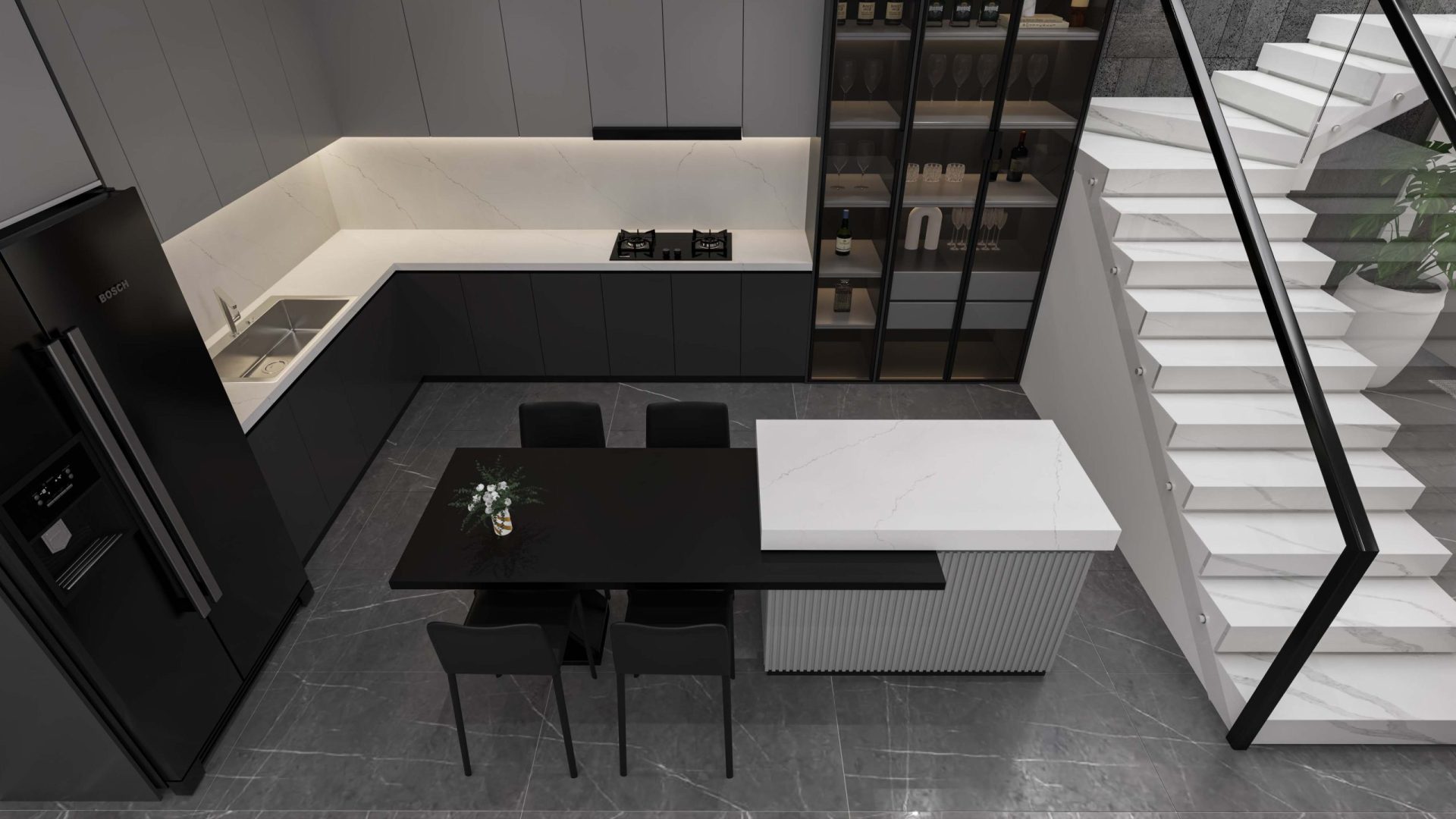
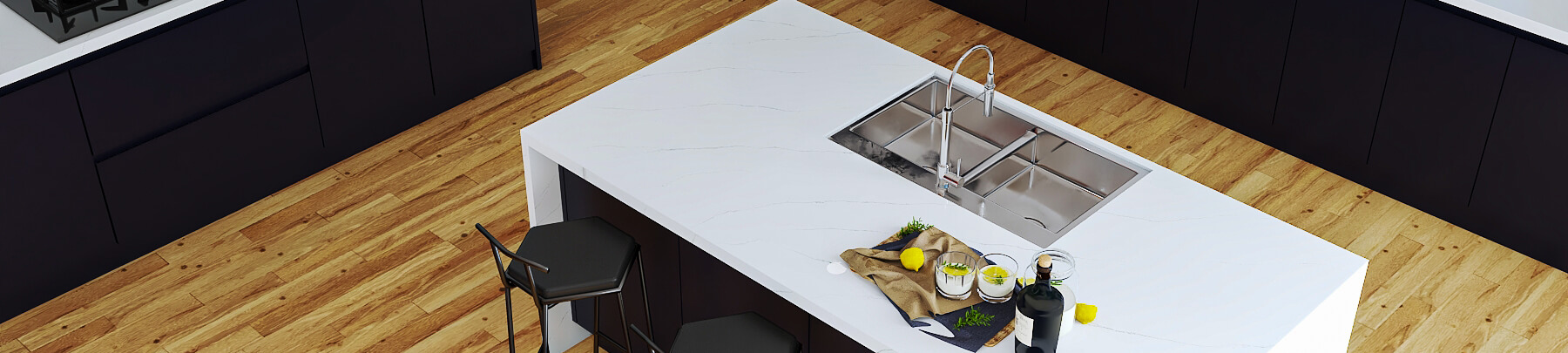
Kitchen islands have become a defining feature of modern kitchens, offering more than just extra countertop space. They can provide additional storage, create a comfortable gathering spot, improve meal preparation, and even increase the overall value of your home. But while a kitchen island may look simple, designing one that truly fits your space and lifestyle requires careful planning.
Without the right planning, even a beautiful kitchen island can become an everyday inconvenience. Common mistakes such as choosing the wrong size, limiting traffic flow, overlooking storage, or selecting an unsuitable countertop material can affect both functionality and comfort. In this guide, we’ll explore 10 common kitchen island mistakes and show you how to avoid them, helping you create a kitchen island that’s as practical as it is beautiful.
- Why Kitchen Island Planning Matters
- 10 Common Kitchen Island Mistakes and How to Avoid Them
- 1. Choosing the Wrong Kitchen Island Size
- 2. Not Leaving Enough Clearance Around the Island
- 3. Disrupting the Kitchen Work Triangle
- 4. Prioritizing Style Over Functionality
- 5. Not Planning Enough Storage
- 6. Ignoring Seating Comfort
- 7. Forgetting Electrical and Plumbing Planning
- 8. Choosing the Wrong Countertop Material
- 9. Poor Lighting Planning
- 10. Adding Too Many Appliances & Features
- Kitchen Island Planning Checklist
- Choosing the Right Countertop Material for Your Kitchen Island
- Frequently Asked Questions About Kitchen Island Mistakes
Why Kitchen Island Planning Matters
A kitchen island is one of the most frequently used features in today’s homes, making careful planning essential before installation. While it’s easy to be inspired by beautiful kitchen designs online, an island should be planned around your available space, cooking habits, storage needs, and the overall kitchen workflow, not just its appearance.
A well-planned kitchen island can:
- Improve food preparation and cooking efficiency
- Provide valuable extra storage and workspace
- Create a comfortable area for dining and socializing
- Enhance traffic flow throughout the kitchen
- Increase the overall value and appeal of your home
On the other hand, poor planning can result in an island that’s too large, blocks movement, lacks storage, or becomes difficult to use on a daily basis. These mistakes often require costly modifications after installation, something that can usually be avoided with proper planning from the beginning.
Before choosing materials, colors, or design styles, it’s important to understand the most common kitchen island planning mistakes. By avoiding these pitfalls, you’ll be able to create a kitchen island that looks beautiful while supporting the way you cook, gather, and live every day.
Pro Tip: The best kitchen islands strike a balance between aesthetics and practicality. Prioritizing functionality early in the planning process helps ensure your island remains useful and enjoyable for years to come.
10 Common Kitchen Island Mistakes and How to Avoid Them
A kitchen island should make your kitchen more functional, not more frustrating. However, many homeowners unknowingly make design mistakes that affect workflow, storage, comfort, and usability. Understanding these common mistakes before you start planning can help you create a kitchen island that is both practical and visually appealing.
1. Choosing the Wrong Kitchen Island Size
One of the most common kitchen island mistakes is choosing a size that doesn’t suit your kitchen. Many homeowners are tempted to install a large island because it looks impressive, while others settle for one that’s too small to be practical. In either case, an incorrectly sized island can reduce functionality and disrupt the overall balance of the space. An oversized island can make the kitchen feel cramped and restrict movement, especially when cabinet doors or appliances are open. On the other hand, an island that’s too small may not provide enough workspace, storage, or seating to justify the space it occupies.
How to Avoid It: Before deciding on dimensions, consider the size and layout of your kitchen as well as how you plan to use the island. Will it mainly serve as a prep station, a dining area, additional storage, or a combination of all three? As a general guideline:
- Leave enough room around the island for comfortable movement.
- Ensure the island is proportional to the overall kitchen size.
- Plan the dimensions based on functionality rather than appearance alone.
Taking accurate measurements and defining the island’s primary purpose will help you choose a size that enhances both usability and aesthetics.
2. Not Leaving Enough Clearance Around the Island
Even a perfectly sized kitchen island can become inconvenient if there isn’t enough space around it. Insufficient clearance makes it difficult to open cabinet doors, use appliances, or allow multiple people to move comfortably through the kitchen. This issue becomes especially noticeable during busy meal preparation when family members are cooking, cleaning, or walking through the space at the same time. Limited clearance can create bottlenecks and reduce the efficiency of your kitchen workflow.
How to Avoid It: Plan adequate clearance on all sides of the island before finalizing the design. In most kitchens, at least 36 inches (about 91 cm) of clearance is considered the minimum, while 42 to 48 inches (107–122 cm) provides a more comfortable working space, particularly in kitchens with multiple users. Also remember to account for:
- Cabinet and drawer doors opening fully
- Dishwasher and oven doors when in use
- Seating space if bar stools are included
- Main walkways through the kitchen
Proper spacing ensures your kitchen remains comfortable, functional, and easy to navigate every day.
3. Disrupting the Kitchen Work Triangle
A beautiful kitchen island shouldn’t interfere with how you move around the kitchen. One of the biggest design mistakes is placing an island where it blocks the natural workflow between the refrigerator, sink, and cooktop, commonly known as the kitchen work triangle. When the work triangle is interrupted, everyday tasks become less efficient. You may find yourself taking unnecessary steps, navigating around obstacles, or constantly crossing paths with others while cooking.
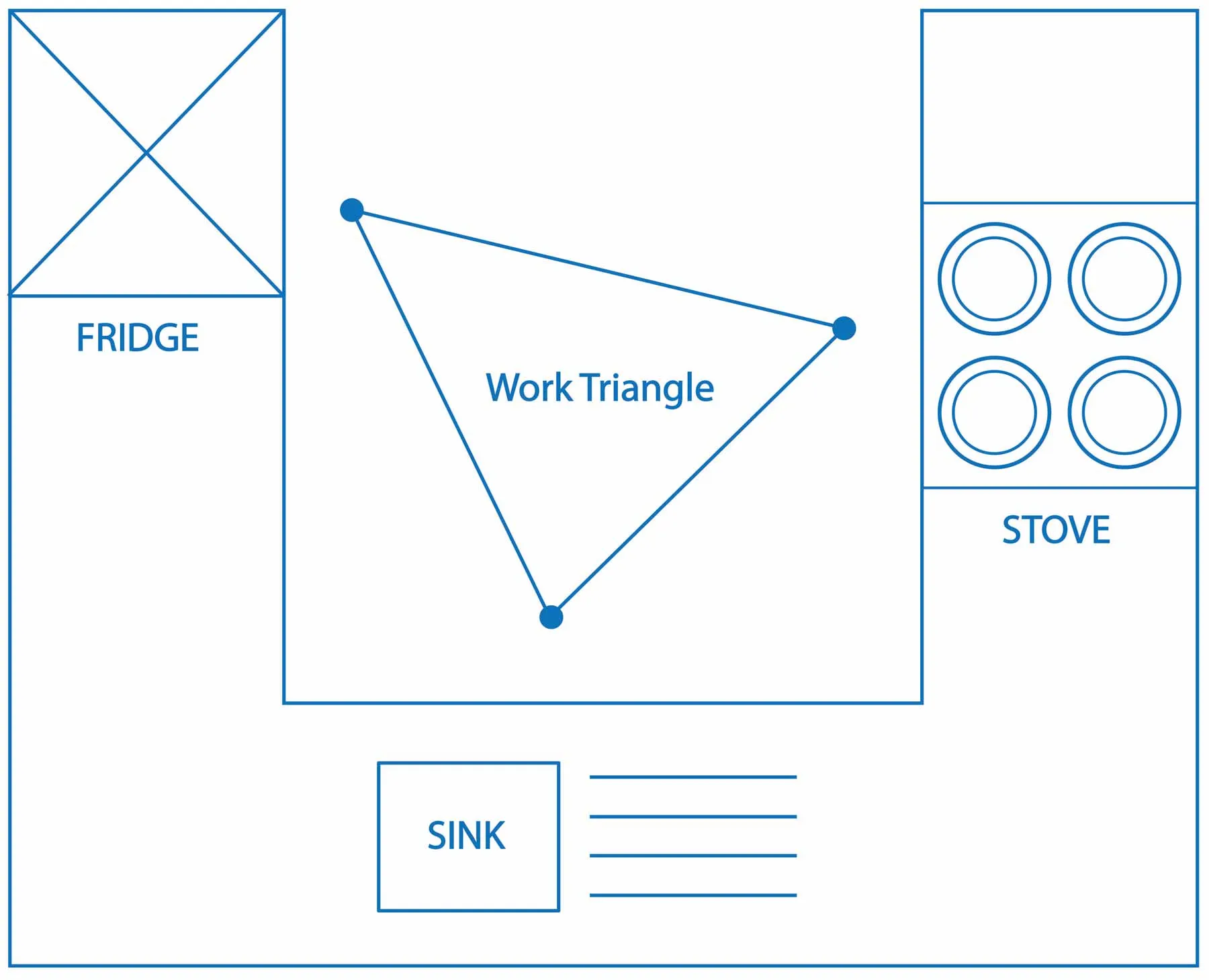
How to Avoid It: When planning your kitchen island, think about how you’ll move between the three primary work zones. The island should support your workflow rather than interrupt it. Consider these best practices:
- Keep clear pathways between the refrigerator, sink, and cooktop.
- Avoid placing the island where it blocks direct access to key work areas.
- If your kitchen is open-plan, ensure the island separates work zones without creating obstacles.
- Test the layout by imagining your typical cooking routine before installation.
A thoughtfully positioned kitchen island improves efficiency, reduces unnecessary movement, and makes cooking more enjoyable for everyone using the space.
4. Prioritizing Style Over Functionality
It’s easy to fall in love with a stunning kitchen island design on social media or in home magazines. However, choosing an island based solely on appearance is one of the most common kitchen island mistakes. While aesthetics are important, your island should first and foremost support how you use your kitchen every day. For example, a waterfall-edge island may create a luxurious look, but if it lacks sufficient storage or workspace, it may not meet your household’s needs. Likewise, unique shapes or oversized decorative features can reduce usable surface area and make movement around the kitchen less efficient.
How to Avoid It: Start by identifying the island’s primary purpose before making design decisions. Ask yourself:
- Will it mainly be used for food preparation?
- Do you need additional storage?
- Will family members use it for dining or working?
- Will it include appliances or a sink?
Once you’ve defined its function, choose a design that complements your kitchen while meeting those practical needs. The most successful kitchen islands combine timeless style with everyday usability.
5. Not Planning Enough Storage
Many homeowners focus on creating a beautiful countertop but overlook one of a kitchen island’s greatest advantages – additional storage. Without enough cabinets or drawers, the island may become little more than a decorative centerpiece instead of a highly functional workspace. Insufficient storage often leads to cluttered countertops, overcrowded cabinets, and difficulty keeping frequently used kitchen items organized. This can reduce both efficiency and the overall appearance of your kitchen.
How to Avoid It: Think about what you want to store before designing the island. The more intentional your storage plan is, the more useful the island will become. Consider incorporating:
- Deep drawers for pots, pans, and small appliances
- Cabinets for cookware or pantry items
- Pull-out organizers for easier access
- Open shelving for cookbooks or decorative pieces
- Hidden storage compartments for less frequently used items
Designing storage around your cooking habits helps maximize every inch of available space while keeping your kitchen clean and organized.
6. Ignoring Seating Comfort
If your kitchen island includes seating, comfort should be just as important as appearance. Many islands are designed with stylish bar stools but fail to provide enough legroom or adequate space for people to sit comfortably. Without proper planning, family members and guests may feel cramped, making the seating area less inviting for meals, conversations, or casual gatherings.
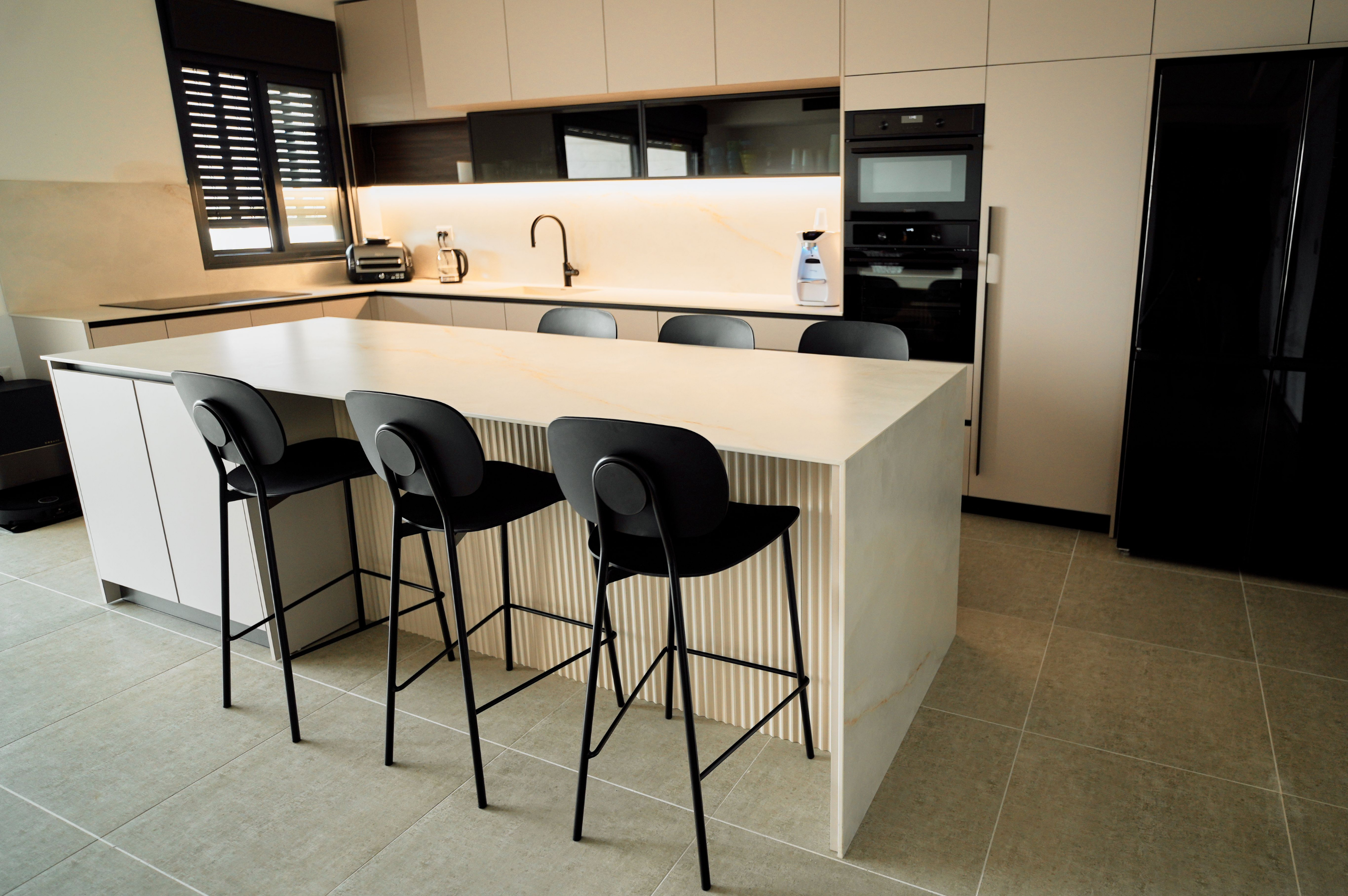
How to Avoid It: Plan your seating area with ergonomics in mind. Make sure there’s enough countertop overhang to provide comfortable knee clearance and allow sufficient space between each seat. Keep these factors in mind:
- Choose the correct stool height based on the countertop height.
- Provide enough overhang for comfortable legroom.
- Allow adequate spacing between seats so people can sit and move freely.
- Consider the number of users to avoid overcrowding.
A well-designed seating area transforms your kitchen island into a welcoming space where people naturally gather, whether for breakfast, homework, or entertaining guests.
7. Forgetting Electrical and Plumbing Planning
Many homeowners finalize their kitchen island design before considering electrical outlets or plumbing connections. Unfortunately, adding these features after installation can be complicated, expensive, and sometimes impossible without significant renovations. If you plan to use your island for food preparation, cooking, or entertaining, overlooking these utilities can limit its functionality. Imagine having to stretch appliance cords across the countertop or wishing you had installed a prep sink after the project is complete.
How to Avoid It: Think about how you’ll use your kitchen island before construction begins. If you expect to use small appliances, charge devices, or install additional fixtures, plan the necessary utilities from the start. You may want to include:
- Electrical outlets for small kitchen appliances
- USB or charging ports for added convenience
- A prep sink with plumbing connections
- A dishwasher or beverage refrigerator, if space allows
Working with your designer and contractor early in the planning process ensures all electrical and plumbing requirements are incorporated safely and efficiently.
8. Choosing the Wrong Countertop Material
Your kitchen island countertop is one of the hardest-working surfaces in the home. It needs to withstand daily food preparation, spills, heat, and frequent cleaning while maintaining its appearance for years. Choosing a material based only on price or aesthetics can lead to staining, scratches, high maintenance, or premature wear. Since the island is often the focal point of the kitchen, the countertop material should offer both durability and lasting visual appeal.
How to Avoid It: When comparing countertop materials, look beyond color and pattern. Consider factors such as:
- Durability and scratch resistance
- Stain resistance
- Ease of cleaning and maintenance
- Heat resistance
- Long-term appearance and performance
Engineered quartz has become one of the most popular choices for kitchen islands because it offers an excellent balance of beauty and practicality. Its non-porous surface resists stains, requires minimal maintenance, and is available in a wide variety of colors and marble-inspired designs, making it suitable for both contemporary and classic kitchens. Choosing a high-quality quartz surface can help ensure your kitchen island remains attractive and functional for many years.
9. Poor Lighting Planning
Lighting is often treated as an afterthought, but it’s essential for both the functionality and atmosphere of a kitchen island. Poor lighting can make food preparation more difficult, create unwanted shadows, and reduce the visual impact of an otherwise beautiful island. At the same time, relying on a single overhead light may not provide enough illumination for tasks such as chopping vegetables, reading recipes, or dining.
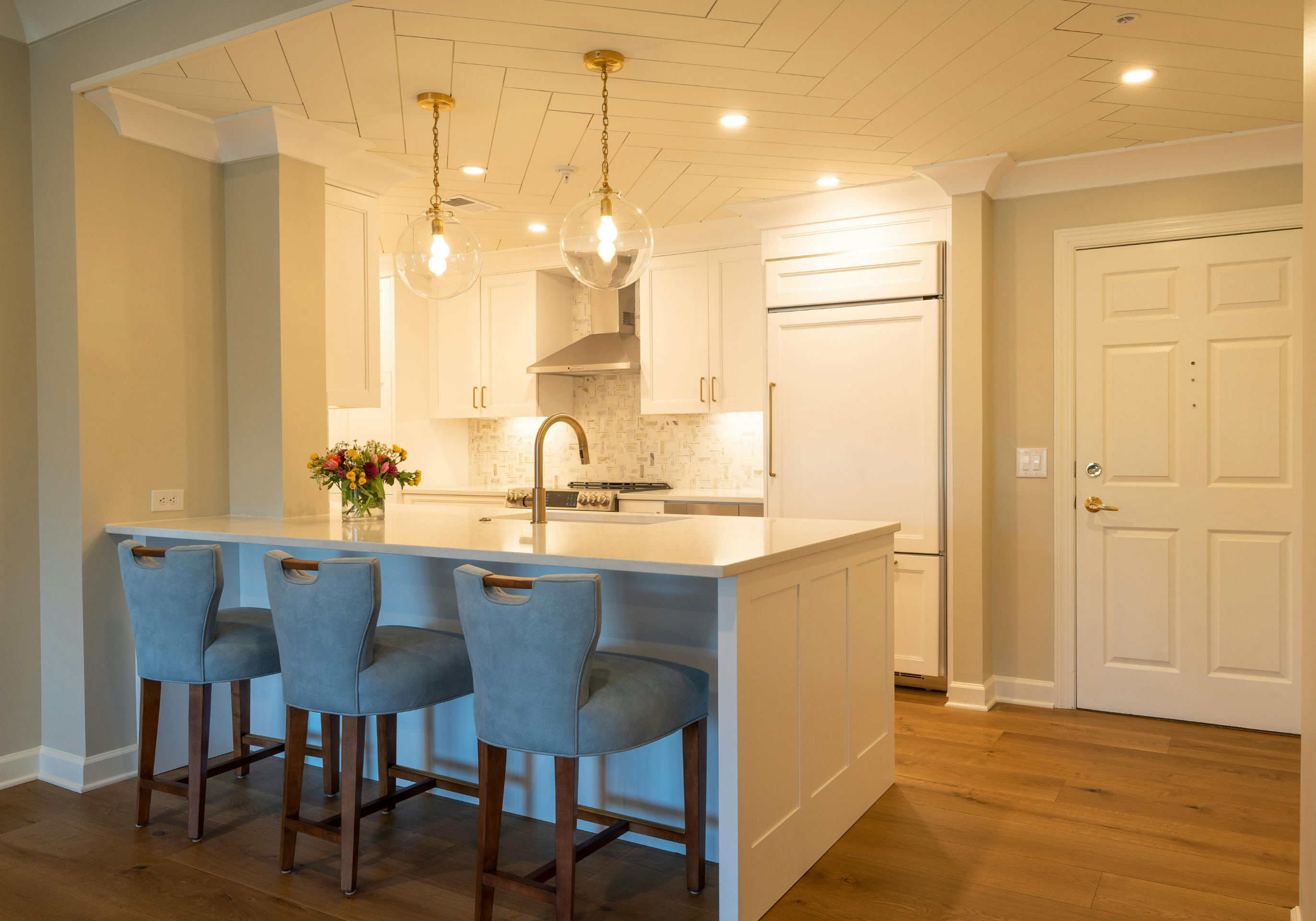
How to Avoid It: Plan layered lighting that combines functionality with aesthetics. Pendant lights are a popular choice because they provide focused task lighting while serving as an attractive design feature. For the best results:
- Position pendant lights evenly above the island.
- Select fixtures that are appropriately sized for the island.
- Combine task lighting with ambient lighting for balanced illumination.
- Use dimmable lighting to adjust brightness for cooking, dining, or entertaining.
Well-planned lighting not only improves visibility but also enhances the kitchen’s overall ambiance, making the island an inviting centerpiece throughout the day.
10. Adding Too Many Appliances & Features
A kitchen island can be customized with a wide range of features, including sinks, cooktops, beverage refrigerators, microwaves, wine coolers, and built-in charging stations. While these additions may sound appealing, trying to include too many features can make the island overcrowded and reduce its usable workspace. Every appliance requires space, utility connections, and ongoing maintenance. Filling the island with unnecessary features can leave little room for food preparation, dining, or everyday activities, ultimately making the island less practical than intended.
How to Avoid It: Focus on the features that genuinely support your lifestyle rather than including every available option. Ask yourself which functions you’ll use regularly and which ones are simply “nice to have.” Keep these best practices in mind:
- Prioritize your island’s primary function, whether it’s meal preparation, dining, storage, or entertaining.
- Only add appliances that you expect to use frequently.
- Preserve enough countertop space for daily tasks.
- Consider future maintenance and utility requirements before installing built-in features.
- Keep the design simple and flexible to ensure long-term usability.
A thoughtfully designed kitchen island doesn’t need every possible feature. By prioritizing functionality over excess, you’ll create a space that remains efficient, uncluttered, and enjoyable to use for years to come.
Now that you know the most common kitchen island mistakes, use the following planning checklist to make sure your island is both functional and future-proof.
Kitchen Island Planning Checklist
Before finalizing your kitchen island design, use this quick checklist to make sure you’ve covered the essentials. Addressing these key considerations early can help you avoid costly mistakes and create a kitchen island that’s both beautiful and highly functional.
- The island size is proportional to your kitchen.
- Adequate clearance is provided on all sides.
- The kitchen workflow flows naturally.
- Storage is planned for your daily needs.
- Seating is comfortable with sufficient overhang and legroom.
- Electrical outlets and plumbing are mapped in advance.
- Lighting is properly planned for both tasks and ambiance.
- Countertop material is durable, low-maintenance, and suitable for everyday use.
- Appliances and built-in features are carefully planned.
- The overall design balances style with functionality.
Completing this checklist before construction begins can save time, reduce renovation costs, and ensure your kitchen island performs as well as it looks for years to come.
Choosing the Right Countertop Material for Your Kitchen Island
As mentioned earlier, choosing the wrong countertop material is one of the most common kitchen island mistakes. Since the island is often the centerpiece of the kitchen and one of its busiest work surfaces, selecting a material based solely on appearance or cost can lead to staining, scratches, high maintenance, and reduced durability over time.
To avoid this mistake, look beyond color and pattern. A kitchen island countertop should be durable enough to withstand daily use while remaining easy to clean and maintain. Consider key factors such as stain resistance, scratch resistance, heat resistance, hygiene, and long-term performance before making your decision.
Engineered quartz has become one of the most trusted choices for modern kitchen islands because it combines beauty with practicality. Its non-porous surface resists stains and moisture, requires no sealing, and is easy to clean, making it ideal for busy households. In addition, quartz is available in a wide variety of colors and marble-inspired designs, allowing homeowners to achieve a premium look without sacrificing performance.
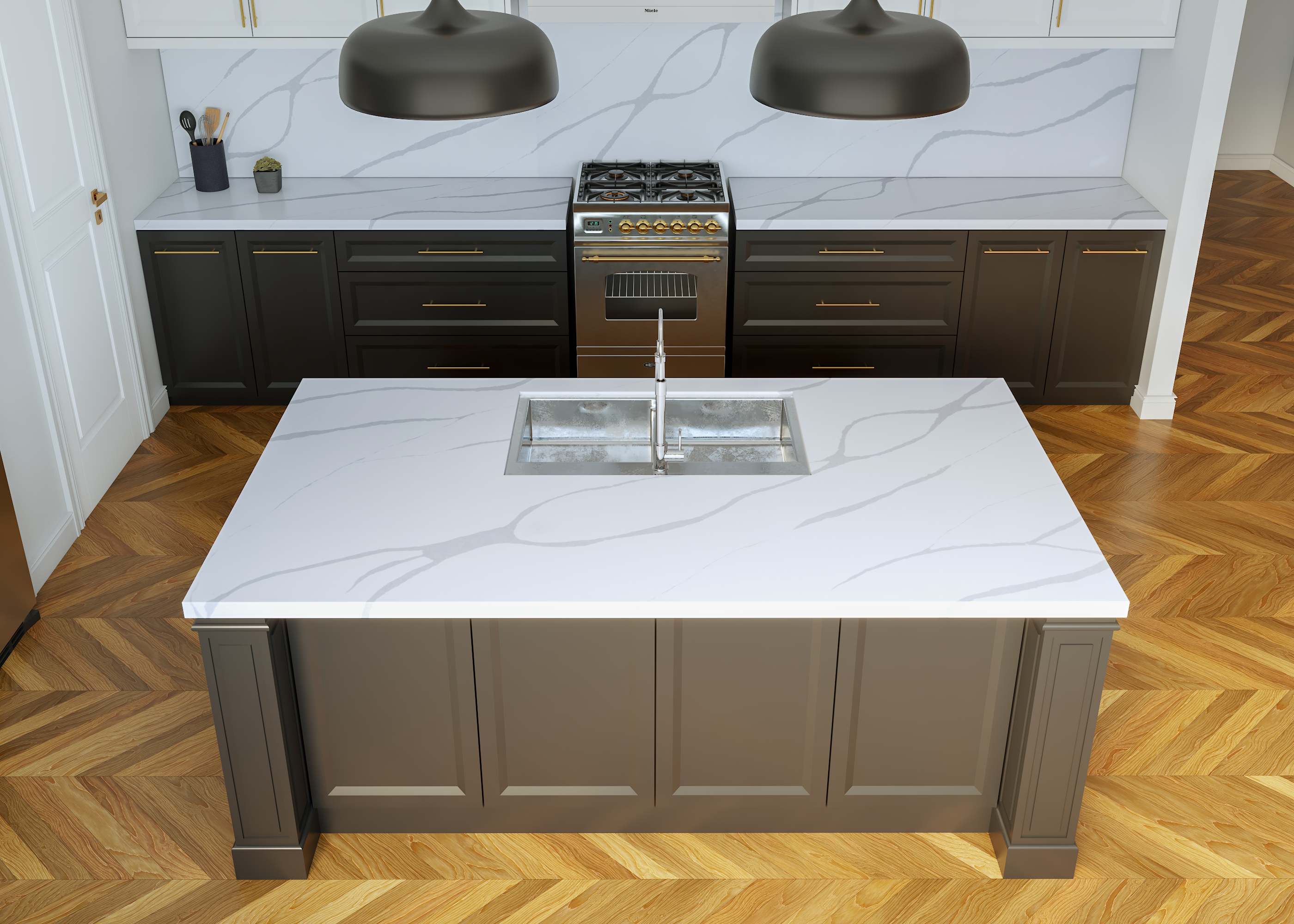
At Lux Quartz Vietnam, we manufacture premium engineered quartz slabs designed to meet the demands of everyday living. Our quartz surfaces offer exceptional durability, low maintenance, and timeless aesthetics, making them an excellent choice for kitchen islands in both residential and commercial projects. Whether you’re designing a minimalist kitchen or a luxurious statement island, Lux Quartz provides a wide selection of colors and patterns to complement your vision.
By choosing a high-quality quartz countertop from the beginning, you can avoid one of the most costly kitchen island mistakes and enjoy a surface that remains beautiful, functional, and easy to maintain for years to come.
See more: LUX QUARTZ VIETNAM – The Leading Quartz Slab Manufacturer in Vietnam
Frequently Asked Questions About Kitchen Island Mistakes
What is the biggest kitchen island mistake?
One of the biggest mistakes is choosing a kitchen island that doesn’t fit the available space. An island that’s too large can restrict movement, while one that’s too small may not provide enough workspace, storage, or seating. Proper planning is essential to achieve the right balance between functionality and aesthetics.
How much clearance should I leave around a kitchen island?
Most designers recommend leaving at least 36 inches (91 cm) of clearance around a kitchen island. For a more comfortable layout, especially in busy or multi-user kitchens, 42 to 48 inches (107–122 cm) is generally considered ideal.
How do I choose the right size for a kitchen island?
The ideal size depends on your kitchen layout, available floor space, and how you plan to use the island. Before deciding on dimensions, consider whether the island will be used for food preparation, dining, storage, entertaining, or a combination of these functions.
What is the best countertop material for a kitchen island?
The best countertop material should be durable, easy to maintain, and resistant to stains and scratches. Engineered quartz is a popular choice because it offers excellent performance, low maintenance, and a wide range of colors and patterns to suit different kitchen styles.
Is quartz a good choice for a kitchen island?
Yes. Quartz is one of the most recommended materials for kitchen islands thanks to its non-porous surface, stain resistance, durability, and easy maintenance. It also offers consistent patterns and colors, making it an excellent option for both modern and traditional kitchens.
Can a kitchen island have too many features?
Absolutely. Adding too many appliances, sinks, or built-in features can reduce usable countertop space and make the island feel crowded. Focus on features you’ll use regularly and prioritize functionality over unnecessary additions.
Do all kitchens need an island?
No. While a kitchen island can add valuable workspace and storage, it isn’t suitable for every layout. In smaller kitchens, alternatives such as a peninsula or mobile kitchen cart may provide better functionality without restricting movement.
See more:
- 9 Kitchen Island Ideas for Modern Homes
- Quartz Kitchen Countertops Pros and Cons
- Note for Homeowners when Choosing Kitchen Countertop Surface
- Standard vs Jumbo vs Super Jumbo Quartz Slabs: Choosing the Right Size for Your Projects
- 10 Common Kitchen Island Mistakes and How to Avoid Them
- 9 Kitchen Island Ideas for Modern Homes
- What is Calacatta Quartz? A Luxurious and Durable Alternative to Marble
- 10 Common Countertop Mistakes Homeowners Make and How to Avoid Them