Quartz countertops are a popular choice for interior design thanks to their versatile appearance, durability, and stain resistance under appropriate conditions. However, several misconceptions persist about their heat resistance, scratch resistance, water resistance, and maintenance requirements.
These misunderstandings can lead to improper use, premature surface damage, and unnecessary repair costs. In this guide, Lux Quartz Vietnam debunks 10 common myths about quartz countertops and shares practical tips to help you choose, use, and maintain this material more effectively.
- Myth #1: Quartz Countertops Are Completely Scratch-Proof
- Myth #2: Quartz Countertops Can Withstand Any Level of Heat
- Myth #3: Quartz Countertops Are Completely Waterproof and Stain-Proof
- Myth #4: Quartz Countertops Cannot Crack, Chip, or Break
- Myth #5: Quartz Countertops Are Suitable for All Outdoor Applications
- Myth #6: Quartz Countertops Can Be Cleaned with Any Chemical
- Myth #7: Quartz Countertops Require No Maintenance
- Myth #8: The More Expensive the Quartz Countertop, the More Durable It Is
- Myth #9: All Quartz Countertops Have the Same Quality
- Myth #10: Choosing an Attractive Quartz Slab Is Enough; Fabrication and Installation Do Not Matter
- How to Keep Quartz Countertops Looking Their Best for Years
- Find the Right Quartz Countertops for Your Next Project with Lux Quartz Vietnam
Myth #1: Quartz Countertops Are Completely Scratch-Proof
Fact: Quartz countertops are highly durable, but they can still be scratched during everyday use.
Engineered quartz countertops typically contain a high proportion of natural quartz aggregates combined with resin binders and other components. This composition provides good hardness and wear resistance, making quartz a suitable choice for frequently used surfaces such as kitchen countertops, kitchen islands, and bathroom vanities.
However, hardness does not mean complete scratch resistance. Dragging sharp objects across the surface, rubbing against harder materials, or using abrasive cleaning tools can cause scratches. Minor marks may be more noticeable on certain polished or uniformly colored quartz countertops.
How to prevent scratches on quartz countertops:
- Use a cutting board instead of cutting food directly on the countertop.
- Avoid dragging pots, pans, or sharp-edged objects across the surface.
- Clean with a soft cloth or non-abrasive sponge.
- Follow the manufacturer’s care instructions to protect the surface finish.
Myth #2: Quartz Countertops Can Withstand Any Level of Heat
Fact: Quartz countertops offer limited heat resistance but are not designed to withstand every heat source or temperature change.
One common misconception is that quartz countertops can tolerate extremely high temperatures simply because quartz is a hard material. In reality, hardness and heat resistance are two different properties. Engineered quartz countertops commonly use polymer resin as a binder. Direct contact with hot pots and pans, heat-generating appliances, or sudden temperature changes may discolor the surface, damage its finish, or cause cracks due to thermal stress.
Heat resistance varies depending on the product’s formulation, slab construction, thickness, fabrication methods, and manufacturer specifications. Therefore, a single temperature limit should not be assumed to apply to every quartz countertop.
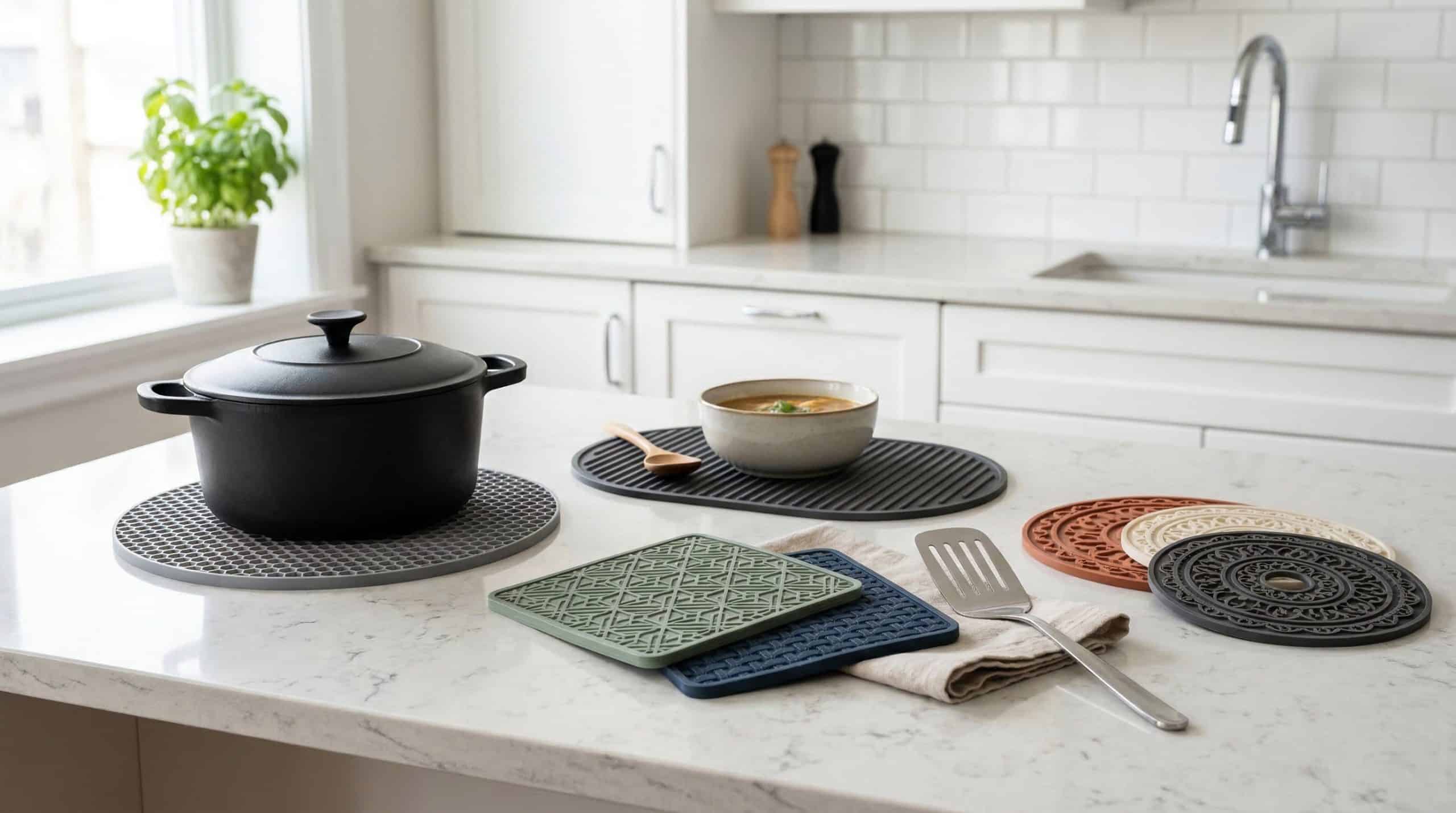
How to protect quartz countertops from heat:
- Always use heat-resistant trivets or pads when placing hot cookware on the surface.
- Avoid placing high-heat appliances directly on the countertop unless the manufacturer confirms compatibility.
- Prevent sudden temperature changes.
- Check the product’s technical documentation for specific heat-resistance guidelines.
These precautions are particularly important in kitchens, where countertops are regularly exposed to hot cookware and cooking appliances.
Myth #3: Quartz Countertops Are Completely Waterproof and Stain-Proof
Fact: Quartz countertops generally have low water absorption and good stain resistance, but they are not immune to every stain or spill.
Quality engineered quartz surfaces typically have low porosity, helping limit liquid absorption and reduce the risk of staining compared with many more porous materials. However, stain resistance does not mean a surface is completely impervious to all substances. Coffee, tea, wine, cooking oil, cosmetics, and other colored liquids may leave stubborn marks if they remain on the surface for too long. Incompatible cleaning chemicals can also affect the surface finish or resin binder.
Additionally, a visible mark does not always indicate that liquid has penetrated the slab. Mineral deposits, grease films, chemical residue, or marks transferred from other materials can also affect the appearance of quartz countertops.

How to prevent stains on quartz countertops:
- Wipe up spills as soon as possible, especially colored liquids.
- Clean regularly with water, a soft cloth, and a suitable pH-neutral cleaner recommended by the manufacturer.
- Avoid using harsh cleaning products on stains when their cause is unknown.
- Follow the product-specific cleaning instructions to maintain the surface’s appearance.
Myth #4: Quartz Countertops Cannot Crack, Chip, or Break
Fact: Quartz countertops are durable, but they can crack, chip, or break when subjected to improper impact or excessive stress.
The durability of a quartz countertop depends not only on its material composition but also on its design, thickness, installation conditions, and load distribution. Edges, corners, cutouts for sinks and cooktops, and unsupported overhangs can be particularly vulnerable when fabricated or installed incorrectly. Strong impacts from heavy objects, concentrated loads, or inadequate support may also cause damage. Cracks do not always indicate poor material quality. Improper handling during transportation, inaccurate fabrication, and incorrect installation can also contribute to structural problems.
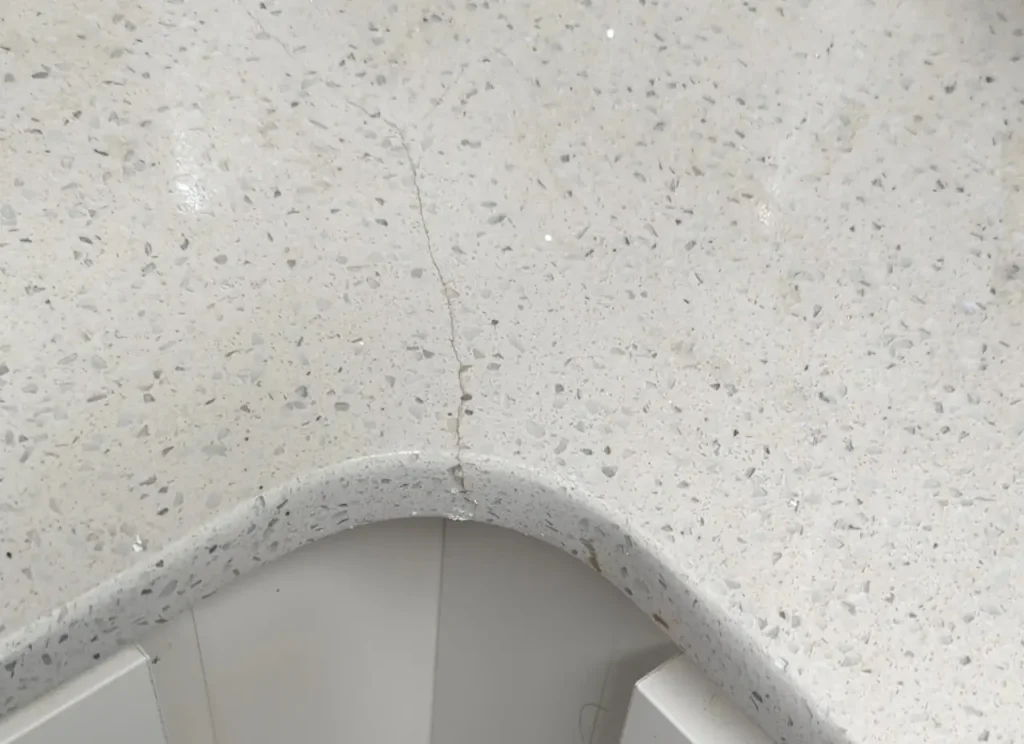
How to prevent cracks and chips:
- Avoid strong impacts against countertop edges and corners.
- Do not stand or sit on countertops or place excessive weight on areas not designed to support it.
- Work with fabricators experienced in engineered quartz.
- Ensure slabs are adequately supported, particularly around cutouts and overhangs.
- Follow recommended handling and installation procedures.
Proper fabrication and installation are essential for helping quartz countertops perform as intended throughout their service life.
Myth #5: Quartz Countertops Are Suitable for All Outdoor Applications
Fact: Many resin-based engineered quartz products are primarily designed for indoor use and may not be suitable for prolonged outdoor exposure.
Quartz countertops are widely used in kitchens, bathroom vanities, kitchen islands, bar tops, and other interior applications. However, using them outdoors requires careful consideration of the product’s composition and the intended environment.
Ultraviolet (UV) radiation, fluctuating temperatures, humidity, and other weather conditions may affect the resin binder. Depending on the product, prolonged exposure can cause discoloration or reduce its visual appeal over time. UV resistance and weather durability vary among materials and product formulations. Therefore, not every quartz countertop is suitable for outdoor kitchens, garden bars, or uncovered exterior spaces.
How to choose quartz countertops for outdoor use:
- Review the manufacturer’s technical specifications and approved applications.
- Confirm that the specific product is suitable for the expected weather and installation conditions.
- Consider materials specifically designed for outdoor environments if the surface will be regularly exposed to direct sunlight and rain.
Always verify product suitability before installing quartz countertops in areas exposed to outdoor conditions.
Myth #6: Quartz Countertops Can Be Cleaned with Any Chemical
Fact: Not every cleaning chemical is safe for engineered quartz surfaces.
Although quartz countertops generally offer good stain resistance, certain harsh chemicals can damage the resin binder, affect the surface finish, or alter the material’s appearance. The risk depends on the chemical composition, concentration, contact time, and the manufacturer’s care recommendations. Strongly acidic or alkaline products, paint removers, solvents, and abrasive cleaners require particular caution. A cleaning product that is safe for ceramic tiles, glass, or natural stone is not necessarily suitable for engineered quartz.
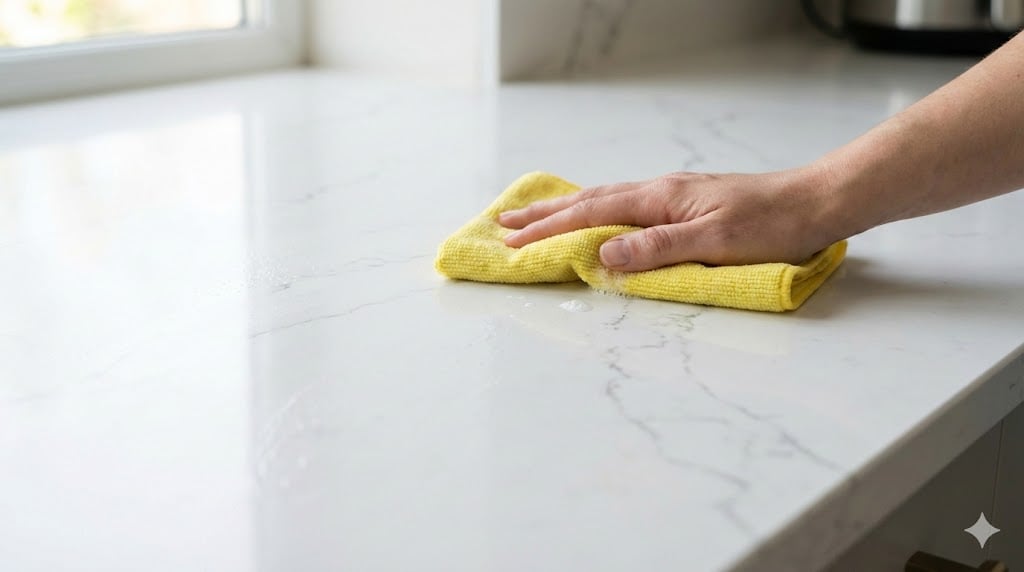
How to clean quartz countertops safely:
- Use a soft cloth, water, and a mild cleaner approved for the product.
- Wipe the surface with clean water afterward to remove cleaning residue.
- Test a cleaning product on a small, inconspicuous area first, provided the manufacturer permits it.
- Never mix different cleaning chemicals.
- For stubborn stains, identify the likely cause and consult the product’s care instructions before using specialized cleaners.
Choosing compatible cleaning products helps preserve the appearance and performance of quartz countertops over time.
See more: How to Clean Quartz Countertops: The Complete Care Guide
Myth #7: Quartz Countertops Require No Maintenance
Fact: Quartz countertops generally require less routine maintenance than many porous natural stones, but they still need regular cleaning and proper care.
One advantage of engineered quartz is its relatively low porosity, which helps limit liquid absorption. Many quartz products do not require periodic sealing in the same way that certain porous natural stones do. However, this does not mean quartz countertops are maintenance-free. Grease, food residue, water spots, and dust can accumulate if the surface is not cleaned regularly. Countertop edges, seams, and areas around sinks should also be inspected when necessary to identify potential issues early.
How to maintain quartz countertops:
- Wipe down the surface after cooking and clean it regularly.
- Avoid leaving stains or colored liquids on the countertop for extended periods.
- Inspect seams, edges, and areas around sinks when needed.
- Follow the maintenance recommendations provided by the manufacturer and installer.
With consistent care, quartz countertops can retain their appearance and remain a practical surface for everyday use.
Myth #8: The More Expensive the Quartz Countertop, the More Durable It Is
Fact: Price is one consideration, but it is not the only indicator of quartz countertop durability.
The price of engineered quartz can vary depending on raw materials, manufacturing technology, color, veining patterns, slab dimensions, thickness, quality standards, and the services included with the product. A higher-priced quartz slab may feature distinctive designs, complex surface effects, or specialized manufacturing processes. However, these features do not automatically guarantee superior scratch resistance, heat resistance, or stain resistance under every condition. Conversely, a reasonably priced product can meet practical requirements when it offers consistent quality, suitable technical specifications, and proper fabrication and installation.
What to consider when choosing quartz countertops:
- Material composition and technical specifications.
- Slab thickness, dimensions, and intended application.
- Consistency in color, veining, and surface finish.
- Warranty terms, care instructions, and after-sales support.
- Fabrication quality, installation standards, and total project costs.
Rather than comparing price per square foot alone, evaluate the overall material quality, suitability, and long-term ownership costs to make an informed decision.
Myth #9: All Quartz Countertops Have the Same Quality
Fact: Engineered quartz products can differ significantly in composition, manufacturing processes, technical performance, and finish quality.
Quartz countertops on the market may vary in quartz aggregate content, resin type, additives, pressing and vibration-compaction technology, curing conditions, and quality-control procedures. These factors can influence slab consistency, appearance, stain resistance, mechanical durability, and overall product stability. Even within the same brand, different product lines may offer distinct designs and performance characteristics to meet different requirements. As a result, the label “engineered quartz” or the appearance of a slab alone is not enough to determine its overall quality.
How to evaluate quartz countertop quality:
- Request technical specifications and product documentation from the supplier.
- Inspect physical samples under appropriate lighting.
- Understand the product’s intended applications, cleaning requirements, and limitations.
- Review warranty terms and procedures for handling product issues.
- Choose suppliers that provide clear product information and reliable technical support.
Evaluating documented specifications alongside actual project requirements helps buyers make better-informed decisions rather than relying solely on advertising or appearance.
Myth #10: Choosing an Attractive Quartz Slab Is Enough; Fabrication and Installation Do Not Matter
Fact: The final quality of a quartz countertop depends on both the material and the quality of measurement, fabrication, and installation.
Even a visually appealing, high-quality quartz slab can develop problems if it is not fabricated and installed correctly. Measurement errors, unsuitable edge treatments, inaccurate cutouts, poorly positioned seams, and inadequate support can all affect the appearance and durability of the finished countertop. For kitchen countertops, areas around sinks, cooktops, corners, and seams require particular attention. Slabs must also be transported, lifted, and supported appropriately according to their dimensions, thickness, and material characteristics.
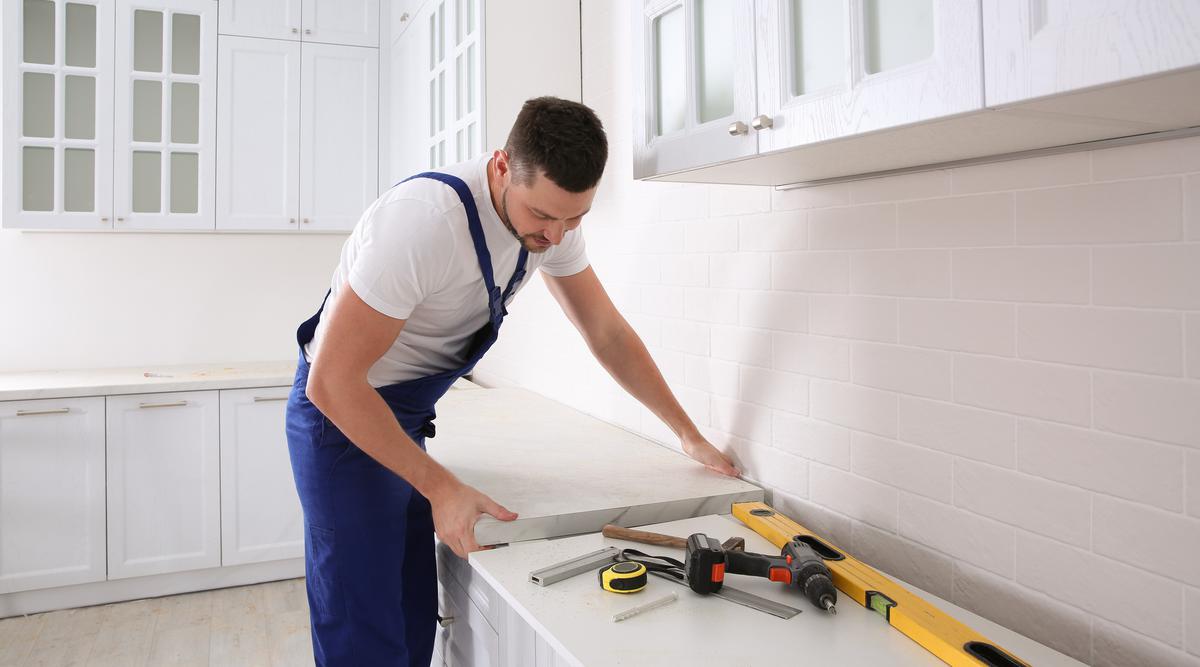
How to ensure a quality quartz countertop installation:
- Take accurate on-site measurements before fabrication.
- Confirm drawings, dimensions, cutout locations, and seam placement before production.
- Choose fabricators experienced in working with engineered quartz.
- Inspect the surface, edges, seams, and overall stability after installation.
- Clarify warranty coverage for both the material and the completed installation.
Choosing the right quartz slab is only part of the process. Proper fabrication and installation help maximize the material’s value and minimize avoidable problems during use.
See more: Quartz Countertops Installation: Step-By-Step Guide for Homeowners
How to Keep Quartz Countertops Looking Their Best for Years
Understanding these common misconceptions makes it easier to care for quartz countertops and preserve their appearance over time. A few simple habits can help protect the surface in everyday use.
- Clean regularly: Use a soft cloth and a compatible cleaning solution to remove grease, dust, and food residue.
- Protect against heat: Use trivets or heat-resistant pads under hot pots and pans.
- Avoid heavy impacts and abrasive friction: Use cutting boards and avoid dragging heavy objects across the surface.
- Clean spills promptly: Pay particular attention to coffee, tea, wine, cooking oil, and other colored liquids.
- Choose suitable cleaning products: Avoid harsh chemicals and solvents unless the manufacturer confirms they are compatible with the product.
- Ensure proper installation: Make sure slabs are adequately supported and cutouts and seams are fabricated correctly.
- Use the material in the right environment: Check the manufacturer’s recommendations before installing quartz in outdoor areas or locations exposed to unusual heat.
Most importantly, consult the technical documentation for your specific quartz countertop product. Different formulations and manufacturing processes may come with different care requirements and usage limitations.
Quartz countertops offer an appealing combination of hardness, stain resistance, and design versatility. However, maintaining their appearance and performance over time requires more than simply choosing an attractive slab. Understanding their limitations, selecting the right product, and following appropriate care and installation practices can help protect your investment in your interior space.
Find the Right Quartz Countertops for Your Next Project with Lux Quartz Vietnam
Looking for engineered quartz slabs for kitchen countertops, bathroom vanities, or other interior applications? Lux Quartz Vietnam offers a range of colors, patterns, and surface designs to support different design concepts and project requirements. As an engineered quartz slab manufacturer, we work with industry professionals seeking material options for their projects. Our team can help you explore available designs, review product specifications, and identify suitable slab options based on your application and requirements.
Contact Lux Quartz Vietnam to discuss your quartz slab requirements and explore solutions for your next project. Explore our product collections and connect with our team to learn more about available designs, technical specifications, and supply options.
See more: